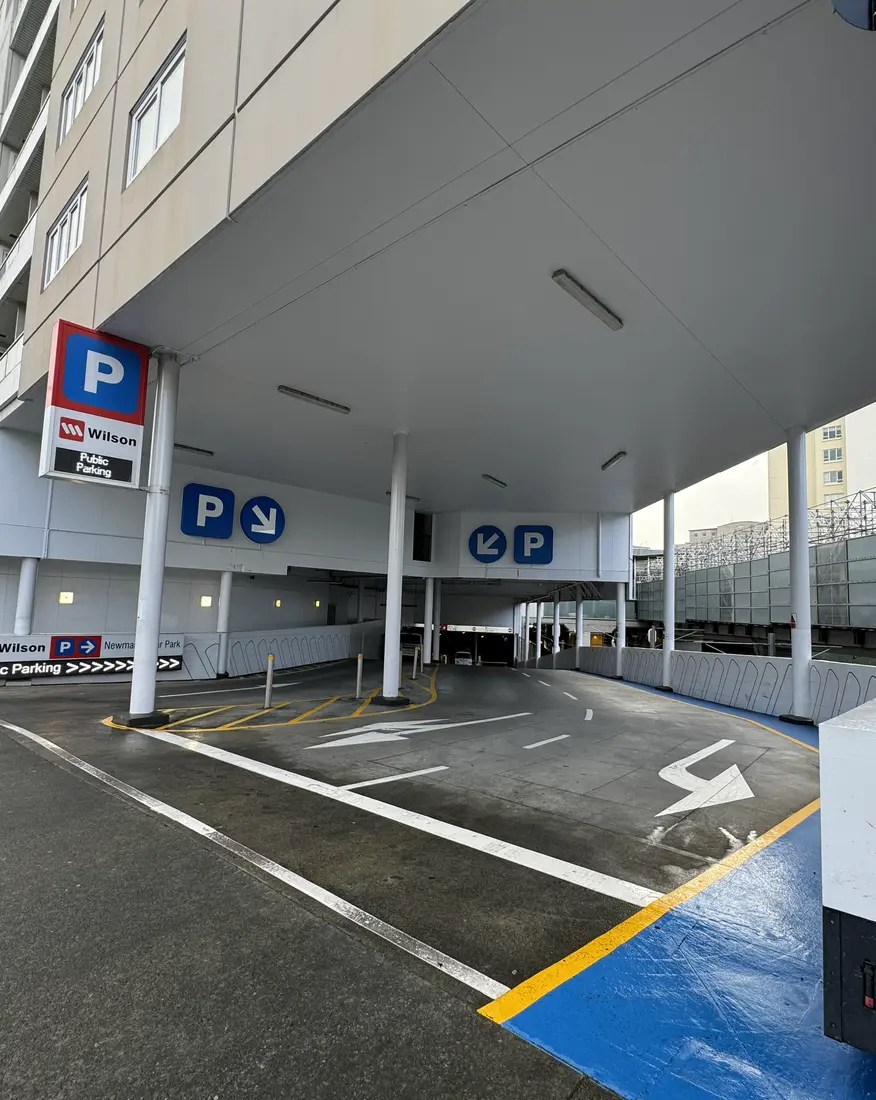
Wilson Carpark, Newmarket
Fire Damage Restoration
LOCATION
SERVICE
The Challenge
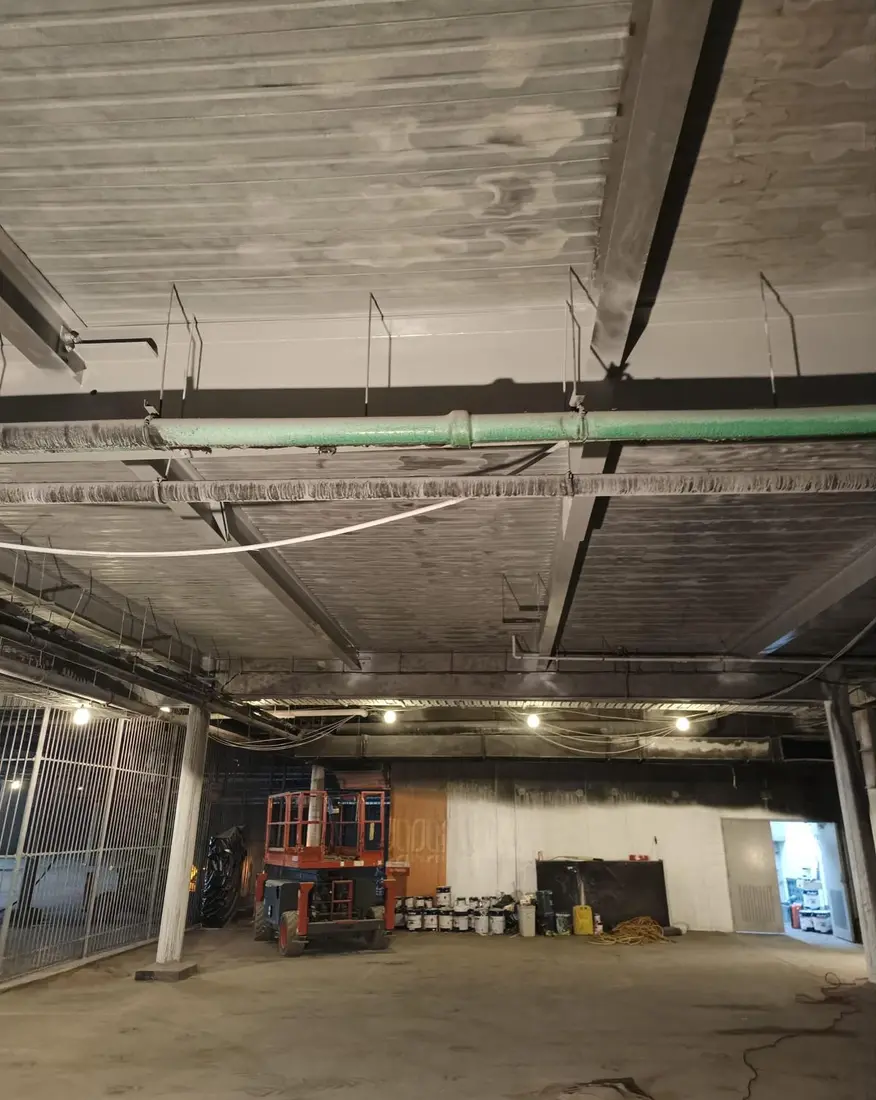
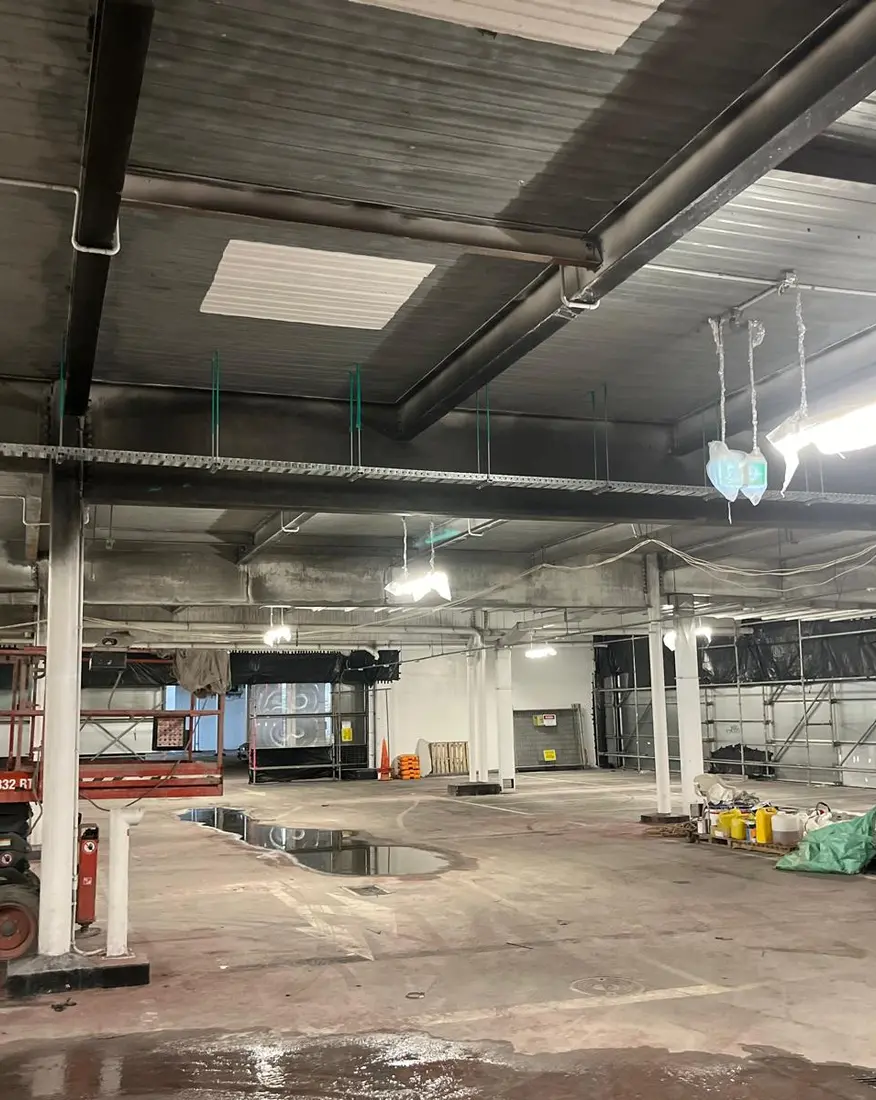
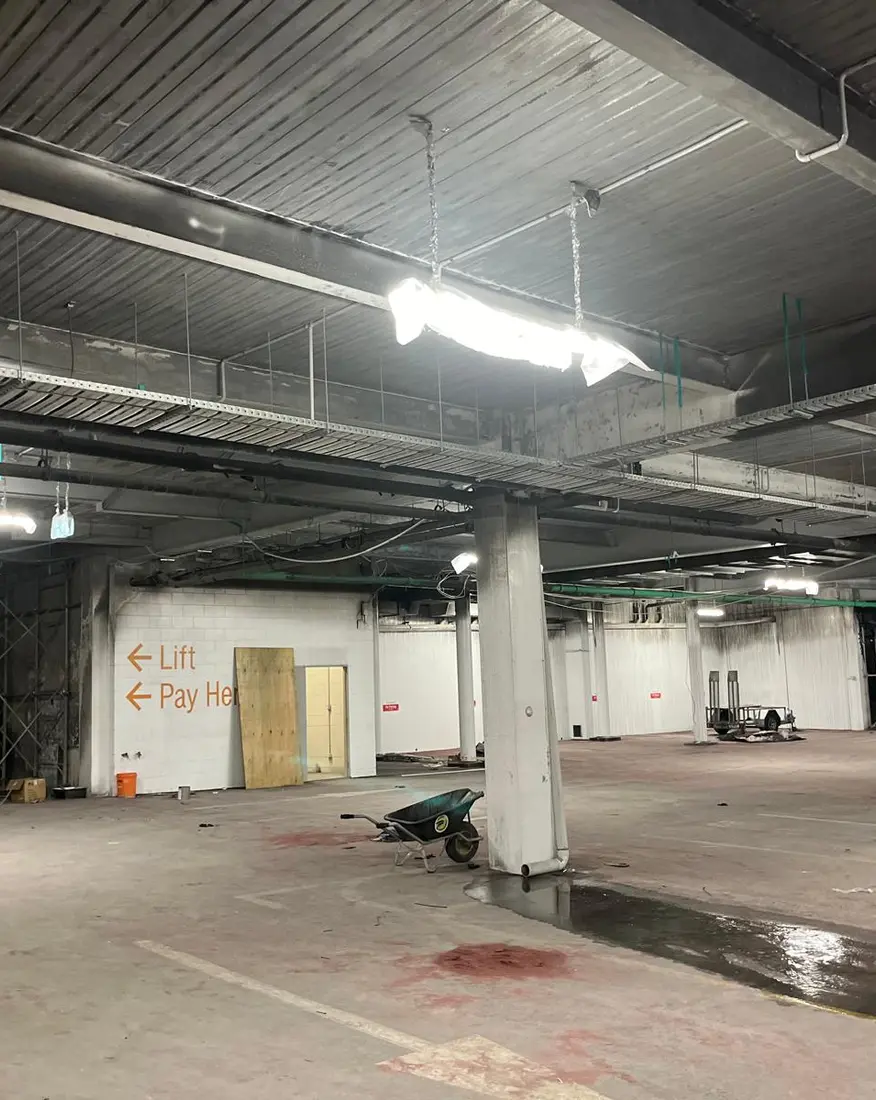
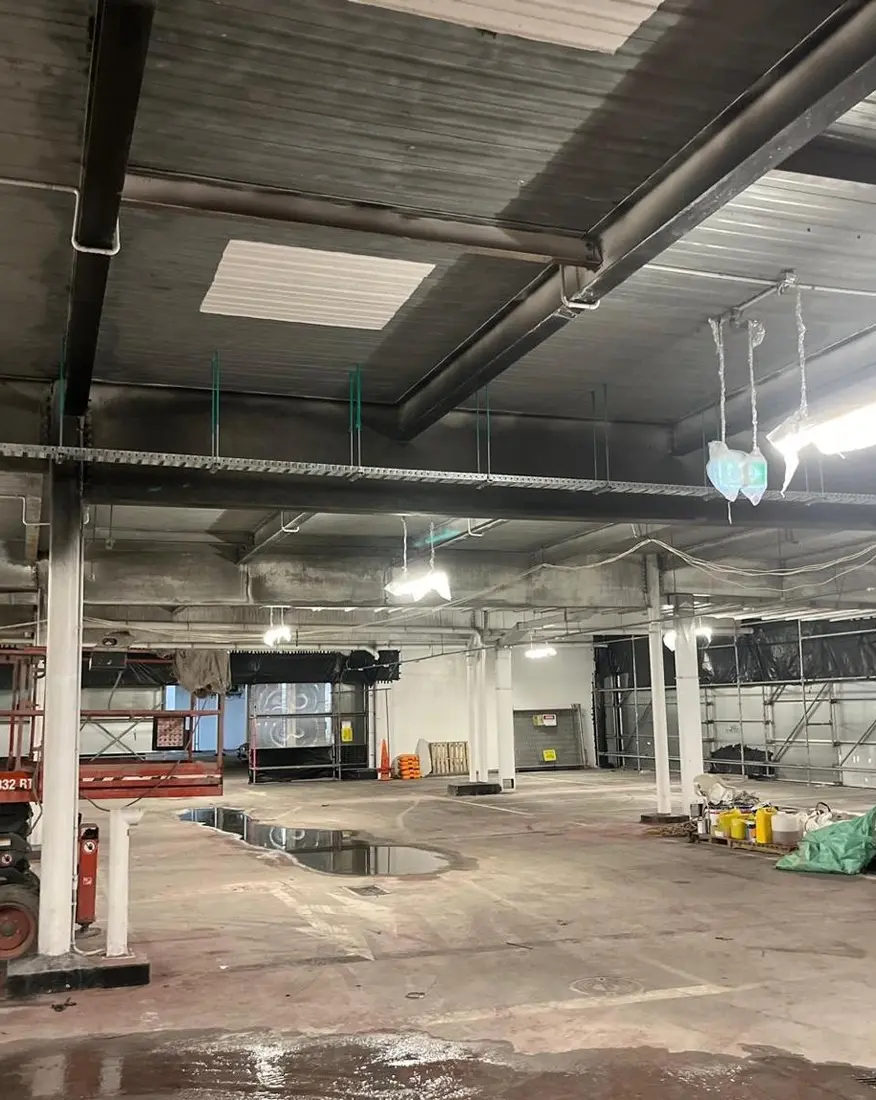
Fire damage had compromised the fire resistance of the carpark’s structural steel, and the coating system needed to be reinstated to a specified standard rather than simply repainted. Because passive fire protection depends on correct film thickness, the application had to meet a defined performance requirement and be verifiable once the steel members were completed.
Our Approach
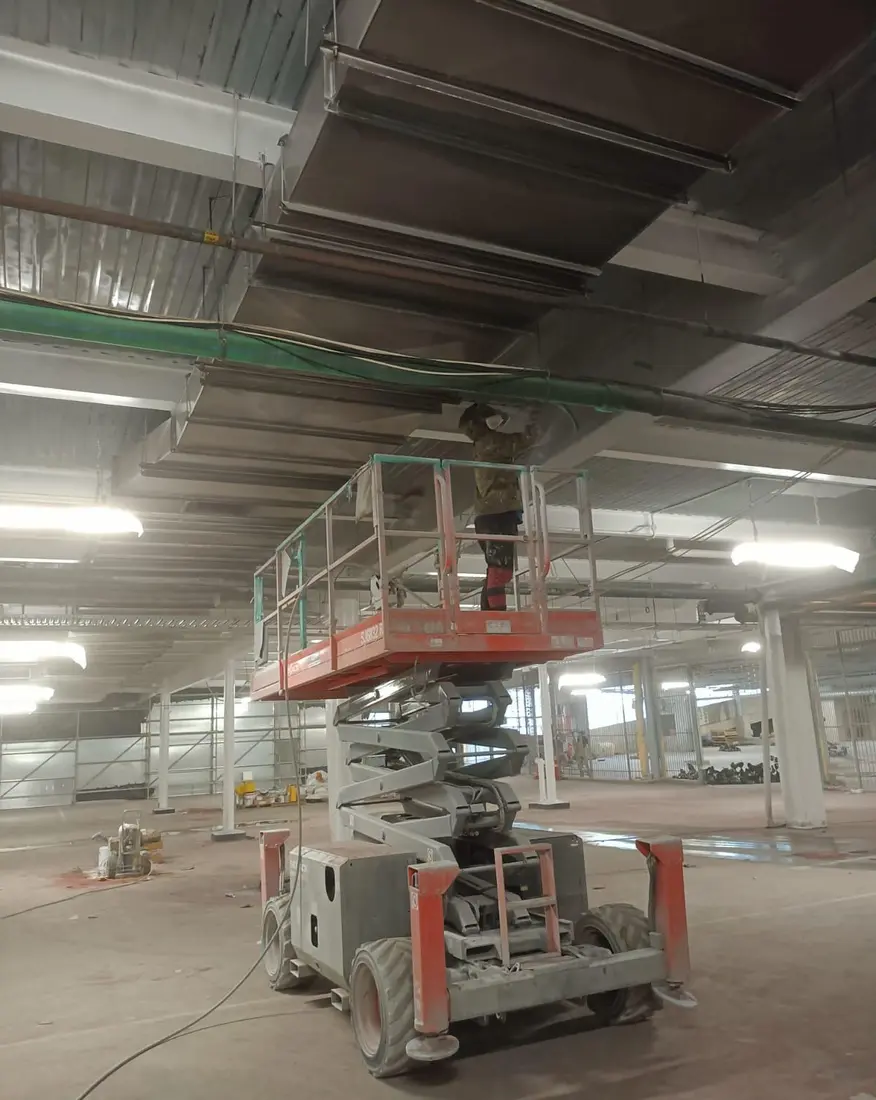
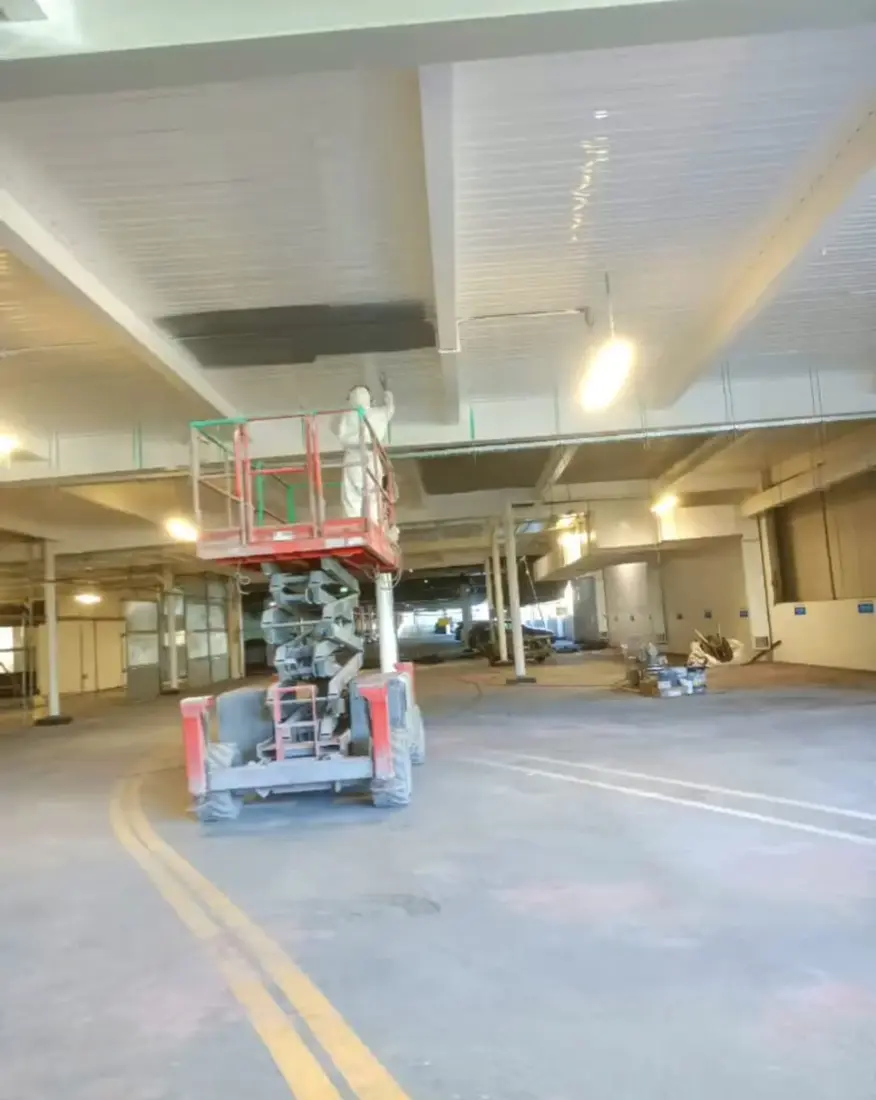
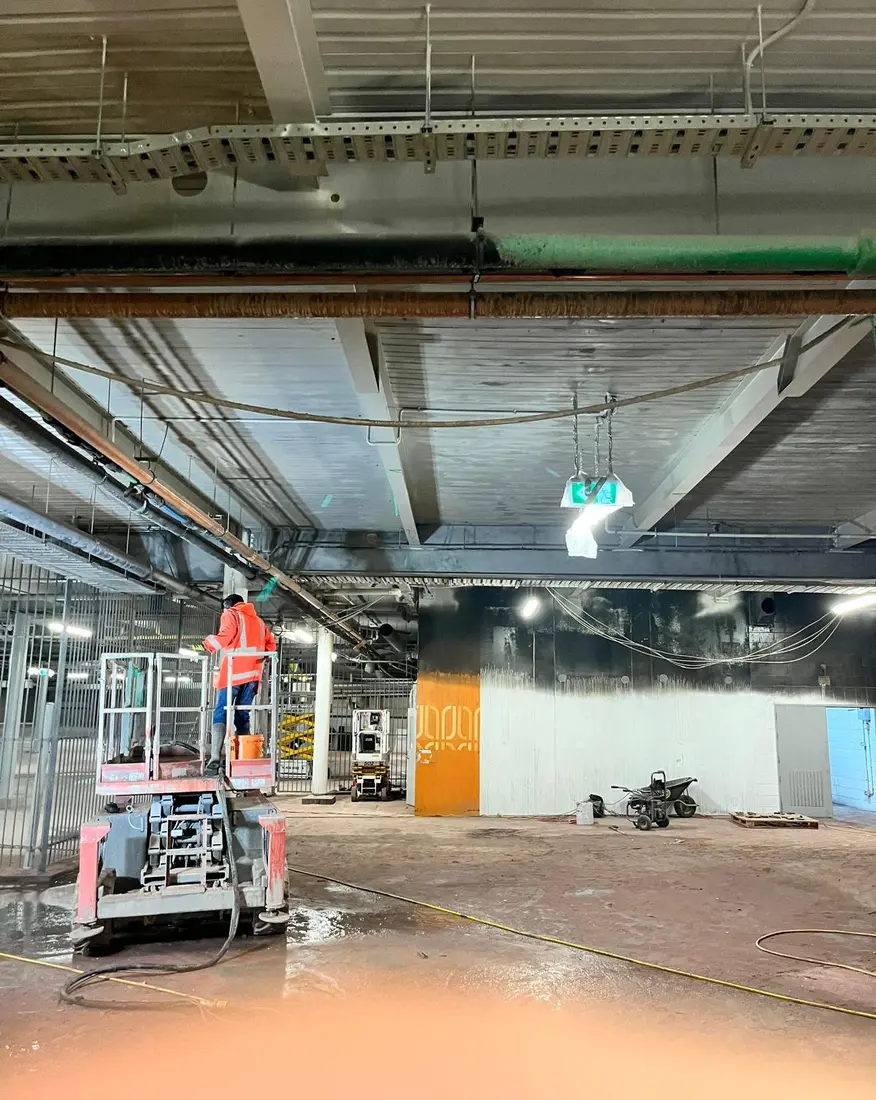
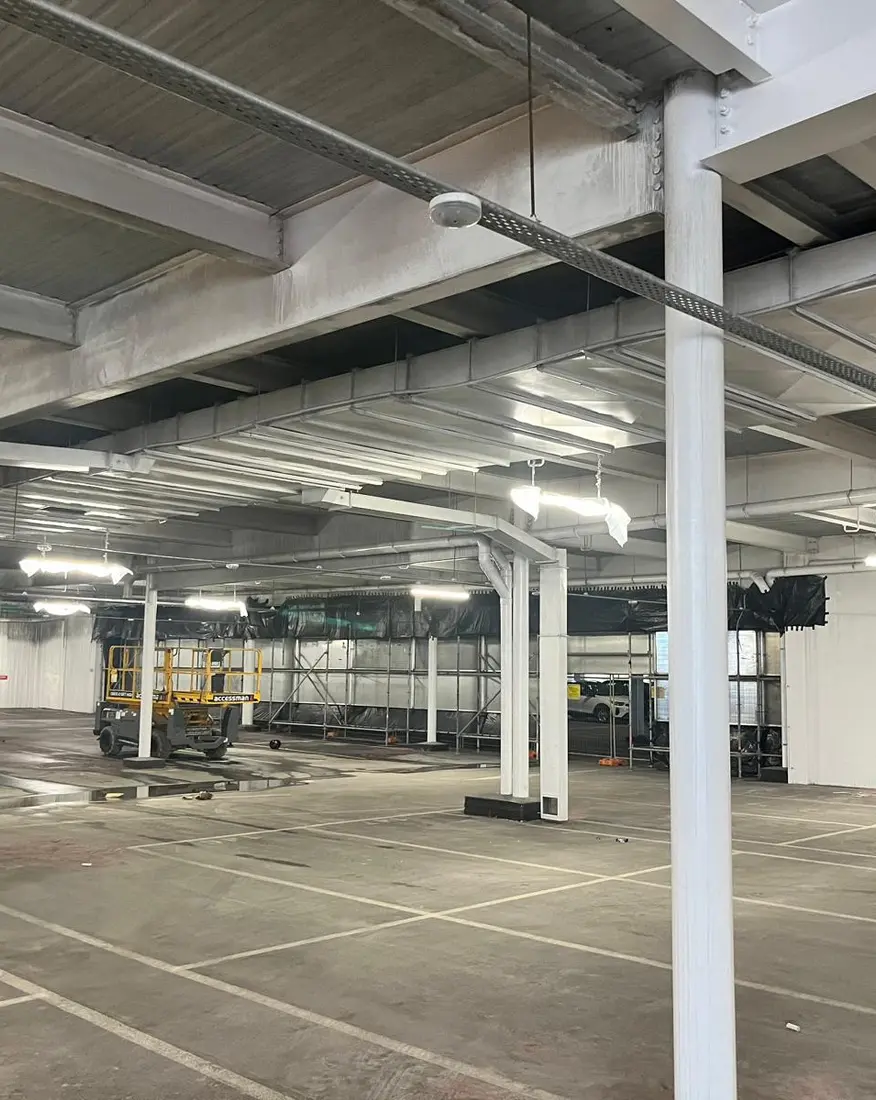
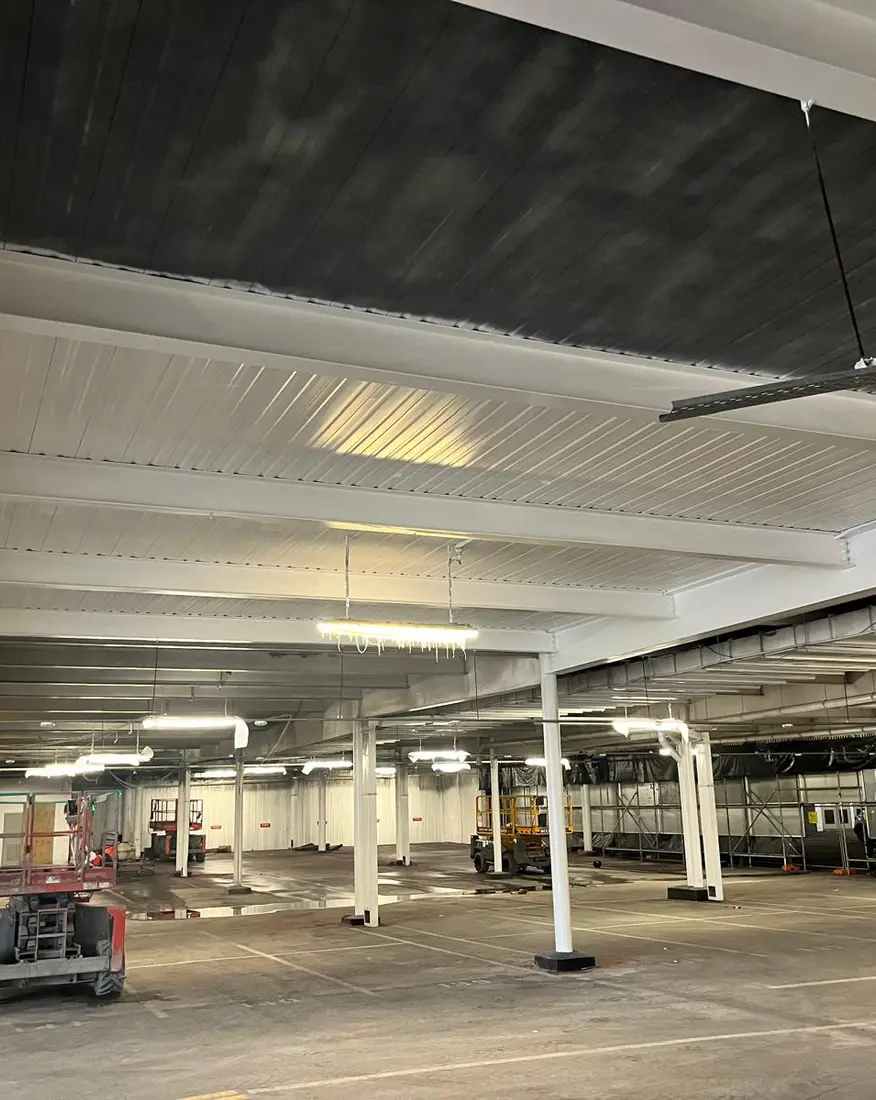
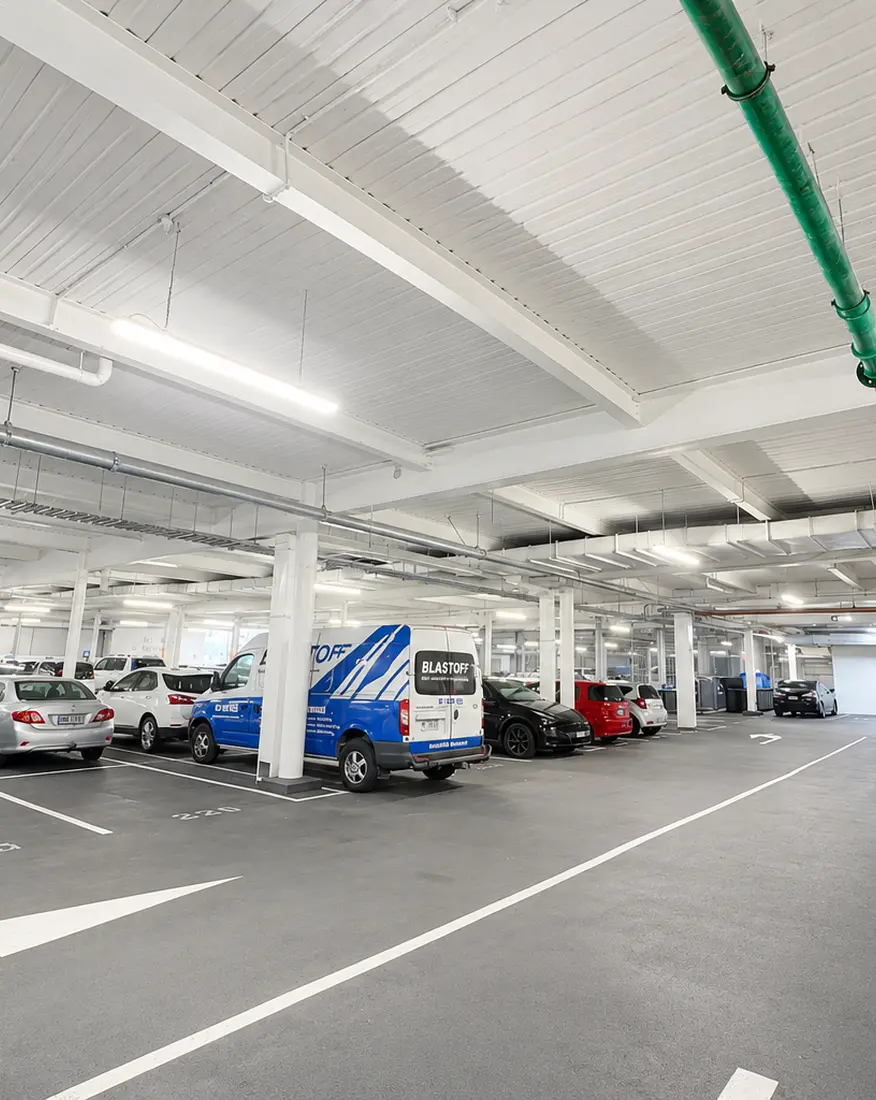
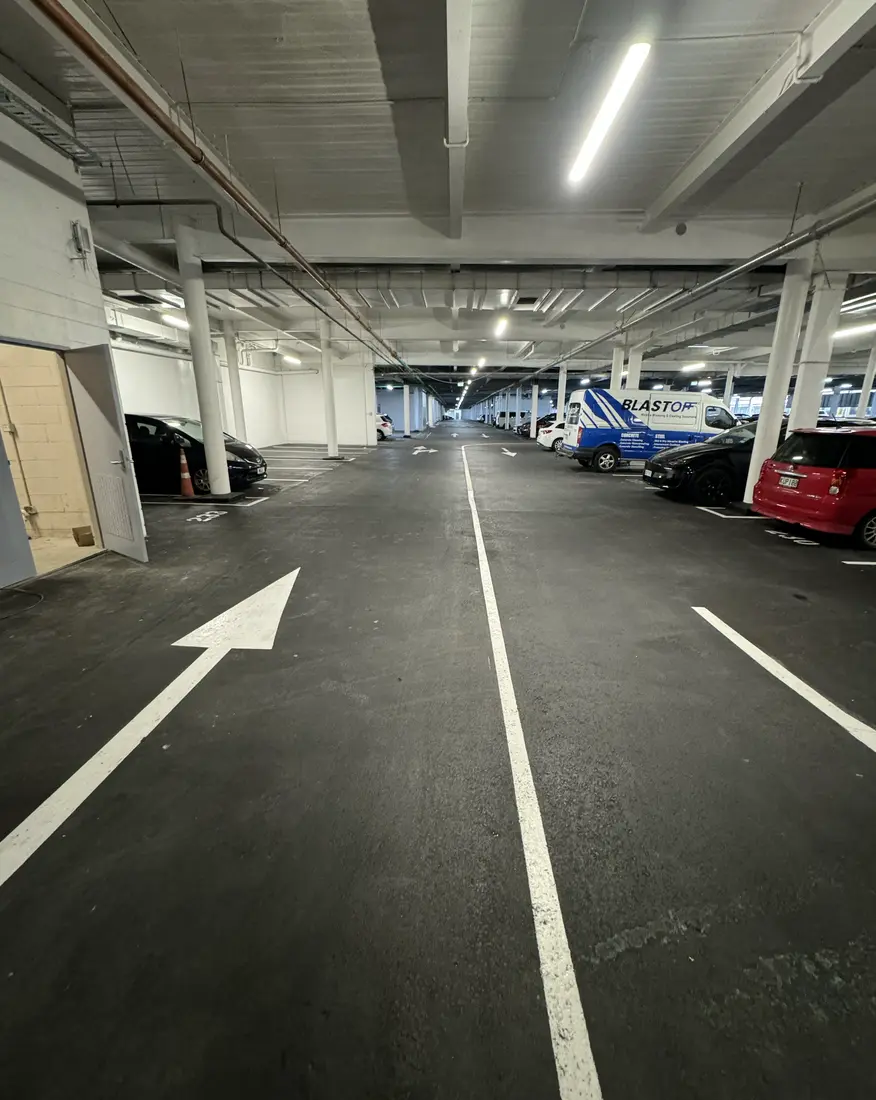
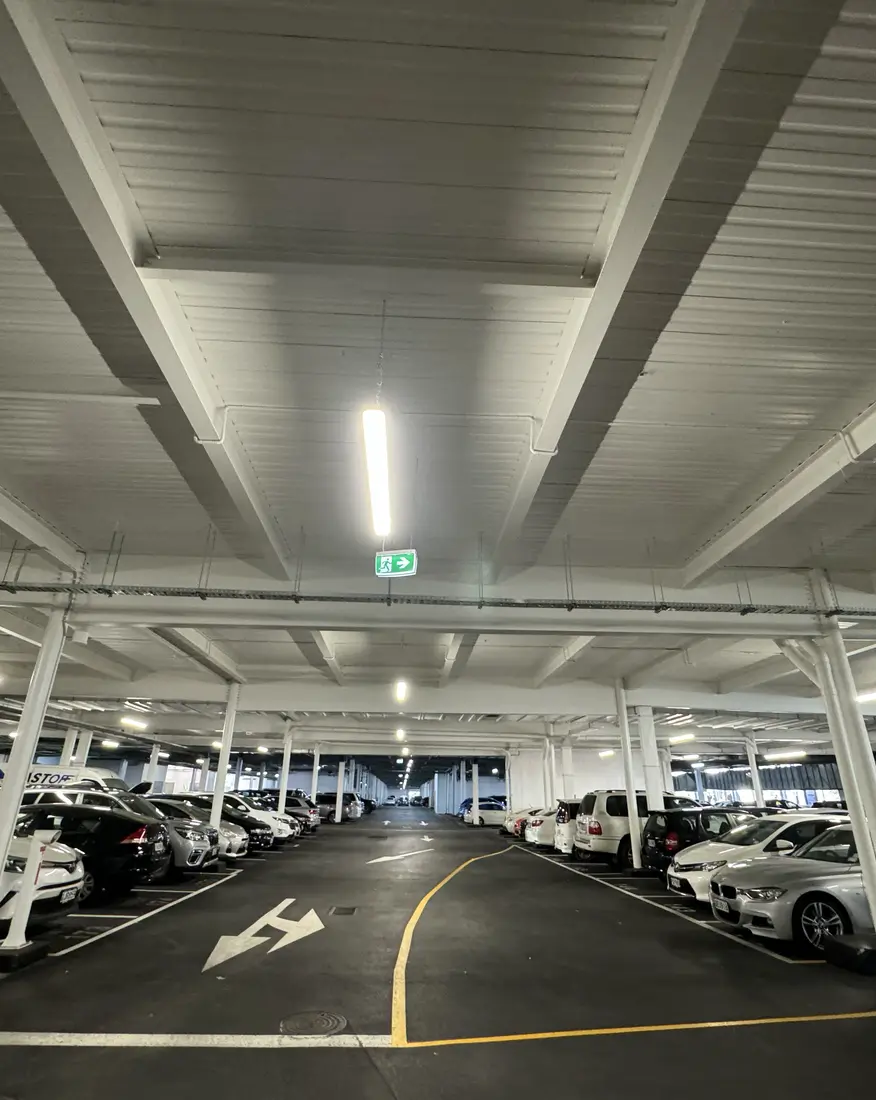
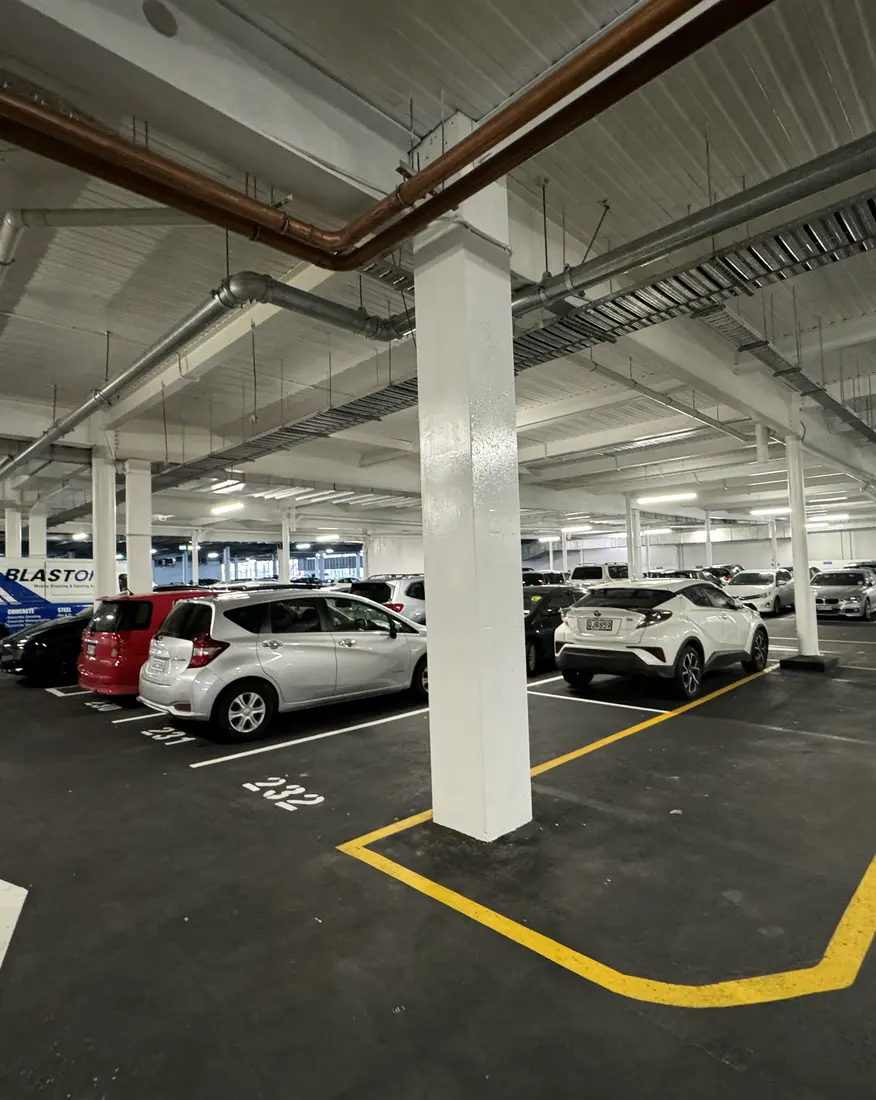
Following surface preparation of the steel members, BlastOff applied intumescent paint across the specified areas of the carpark structure. Coating thickness was checked with a DFT gauge as the work progressed, so each section could be confirmed against the required build before moving on. This measurement step ran alongside the application itself, giving the project a verifiable record of the fire protection installed rather than relying on visual inspection alone.
The Outcome
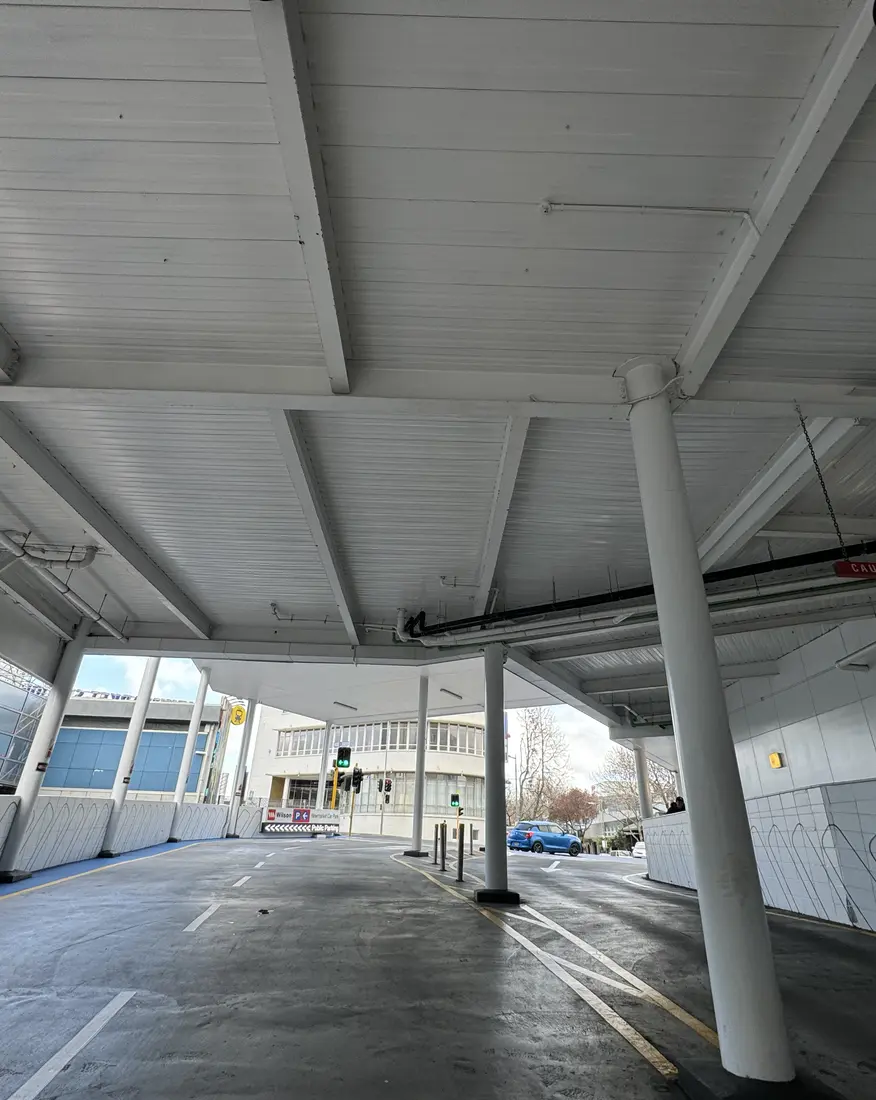
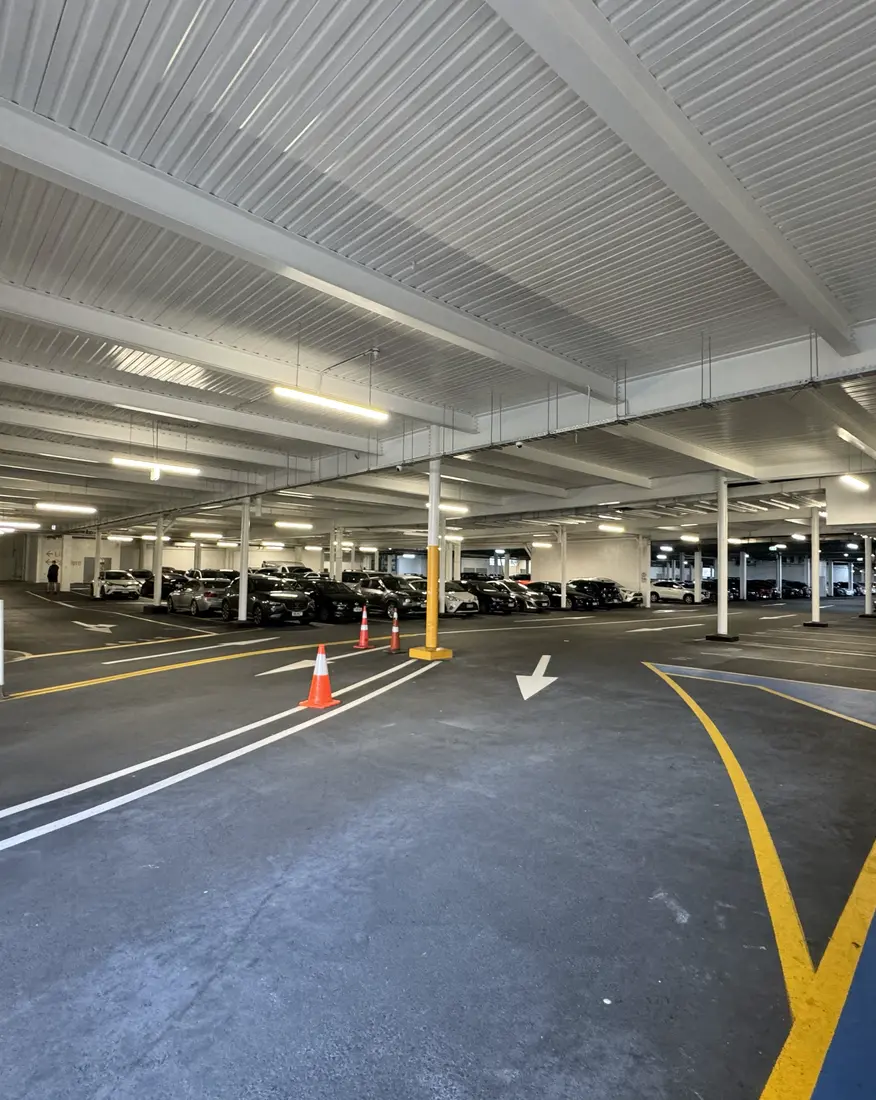
The structural steel at the carpark had its fire resistance reinstated through a certified intumescent system, with the applied thickness verified by DFT measurement across the completed steel members. The project gave the building a documented, measured record of the fire protection coating installed as part of the wider fire damage reinstatement.
Measuring What Matters: How Fire Protection Was Verified on Wilson Carpark's Steel Frame
Fire damage at the TPW Wilson Carpark in Newmarket had compromised the fire resistance of the structural steel supporting the building, and a straightforward repaint was never going to fix that. Passive fire protection only works if the coating build is correct, so the steel needed a certified intumescent system reinstated to the standard specified for the structure, with a way to confirm it had actually been achieved once the paint was dry.
BlastOff prepared the steel members across the carpark and applied the intumescent coating to the specified areas, but the part of this project worth other owners paying attention to is what happened alongside the application itself. Coating thickness was checked with a DFT gauge as work progressed, section by section, rather than left to a final walk through once everything was finished. That step turns a paint job into a documented outcome, since fire performance depends on measurable film thickness, not just visible coverage.
For carpark owners and building managers dealing with fire damage or ageing intumescent systems, this is the detail that often gets skipped when a job is scoped on painted area alone. A coating that looks even can still fall short of the required build in places that matter, particularly around connections and complex steel sections, so verification during application rather than after it gives a much more reliable record for compliance purposes.
The completed work at Wilson Carpark left the structure with its fire resistance reinstated and a measured account of the coating applied, not just an assumption based on appearance. Anyone scoping similar reinstatement work should ask how thickness will be checked and recorded before application begins, not afterwards. BlastOff carries out this kind of intumescent fire-proofing work alongside the surface preparation it depends on, often combined with wider protective coatings across a structure’s steel and concrete elements.
Testimonials
Project Images
Clients value our reliability, communication, and the quality of our work.
Posted on GoogleTrustindex verifies that the original source of the review is Google. Damian came promptly, explained the process clearly and gave us a quote. The work was done professionally and Damian was available and easily contactable throughout. His team were great to deal with and completed the internal waterproofing of our garage and rumpus room. We were very happy with the result. N BrightPosted on GoogleTrustindex verifies that the original source of the review is Google. Awesome work by Blastoff Solutions. Damien was a pleasure to deal with. Got back promptly to any queries and questions. Offering both a cost effective and practical solution to our needs. Work carried out to a high standard. Highly recommend.Posted on GoogleTrustindex verifies that the original source of the review is Google. Damian is a good communicator and the job was done to a good standard by his team. Thank you.Posted on GoogleTrustindex verifies that the original source of the review is Google. Our rental property is concrete block unit and we had leakage from one of the wall of lounge. Danial of this company visited and and gave satisfying answers to my questions and after accepting the quote the work was done to my satisfaction.Posted on GoogleTrustindex verifies that the original source of the review is Google. Good communication and did a great job. Estimated cost was very accurate.Posted on GoogleTrustindex verifies that the original source of the review is Google. Coming to the rescue, getting the job done in time! With amazing results! Very impressed, thank youPosted on GoogleTrustindex verifies that the original source of the review is Google. My deck looks like new again, thanks to Blastoff Washing team!Verified by TrustindexTrustindex verified badge is the Universal Symbol of Trust. Only the greatest companies can get the verified badge who has a review score above 4.5, based on customer reviews over the past 12 months. Read more
Ready to get started?
Planning crane or port maintenance? Talk to BlastOff.