St Heliers Residence
Internal Waterproofing
LOCATION
SERVICE
The Challenge
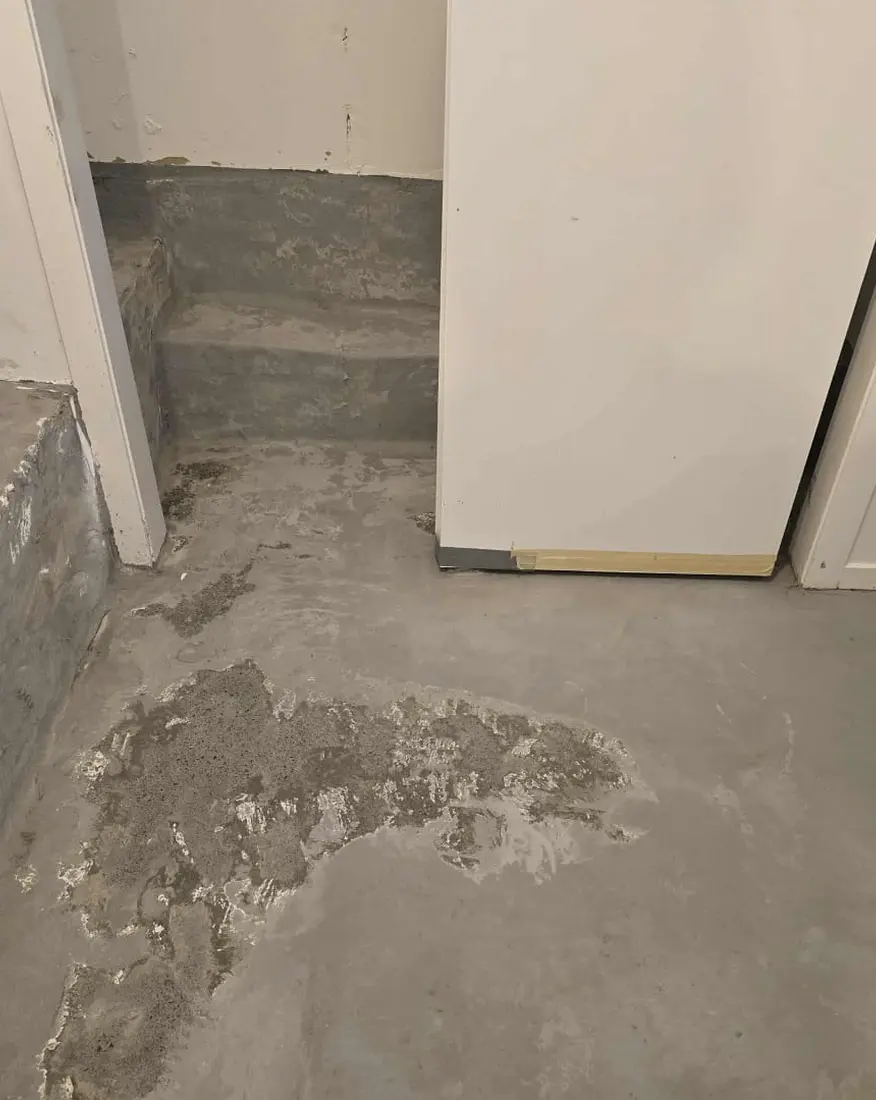
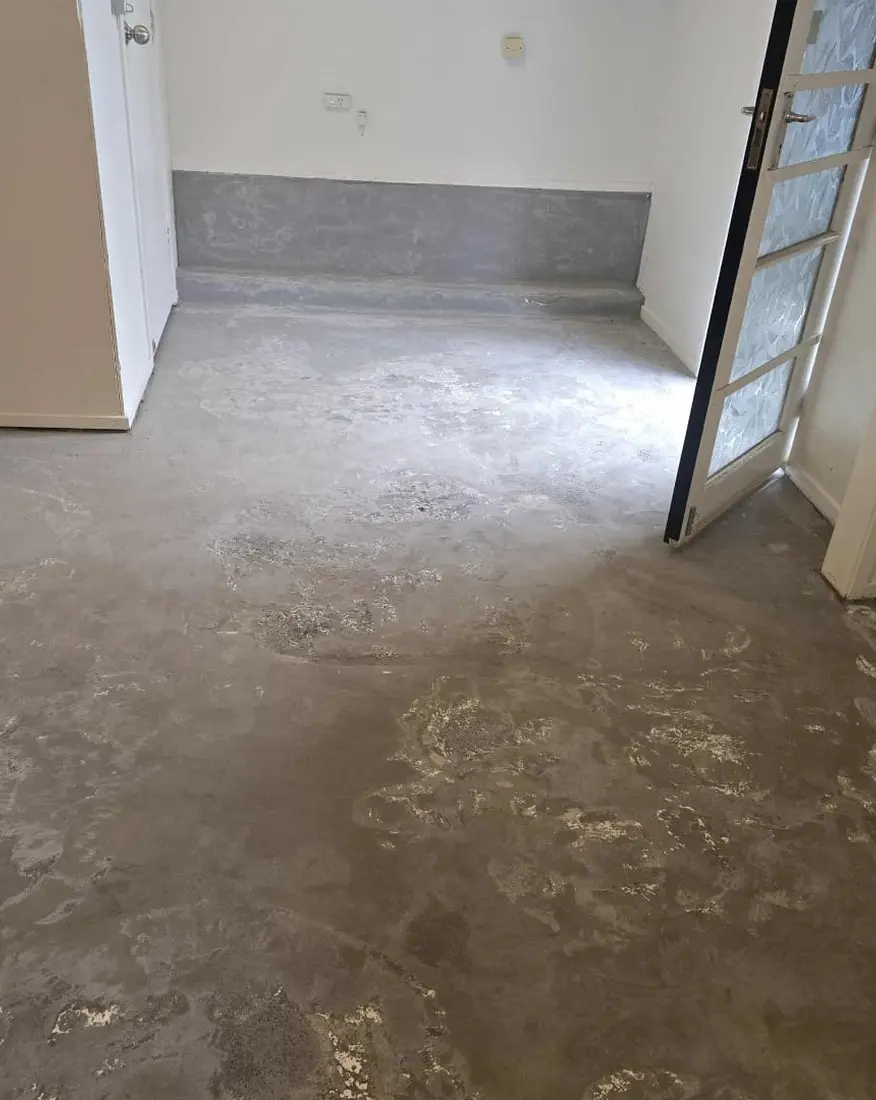
The lower-level walls and floor were showing clear signs of moisture ingress, including damp patches, lifting paint and a persistent musty smell in the air. These symptoms pointed to ongoing water movement through the walls and floor rather than a one-off issue, and the owners were looking for a permanent internal waterproofing solution rather than repeated redecoration to mask the problem.
Our Approach
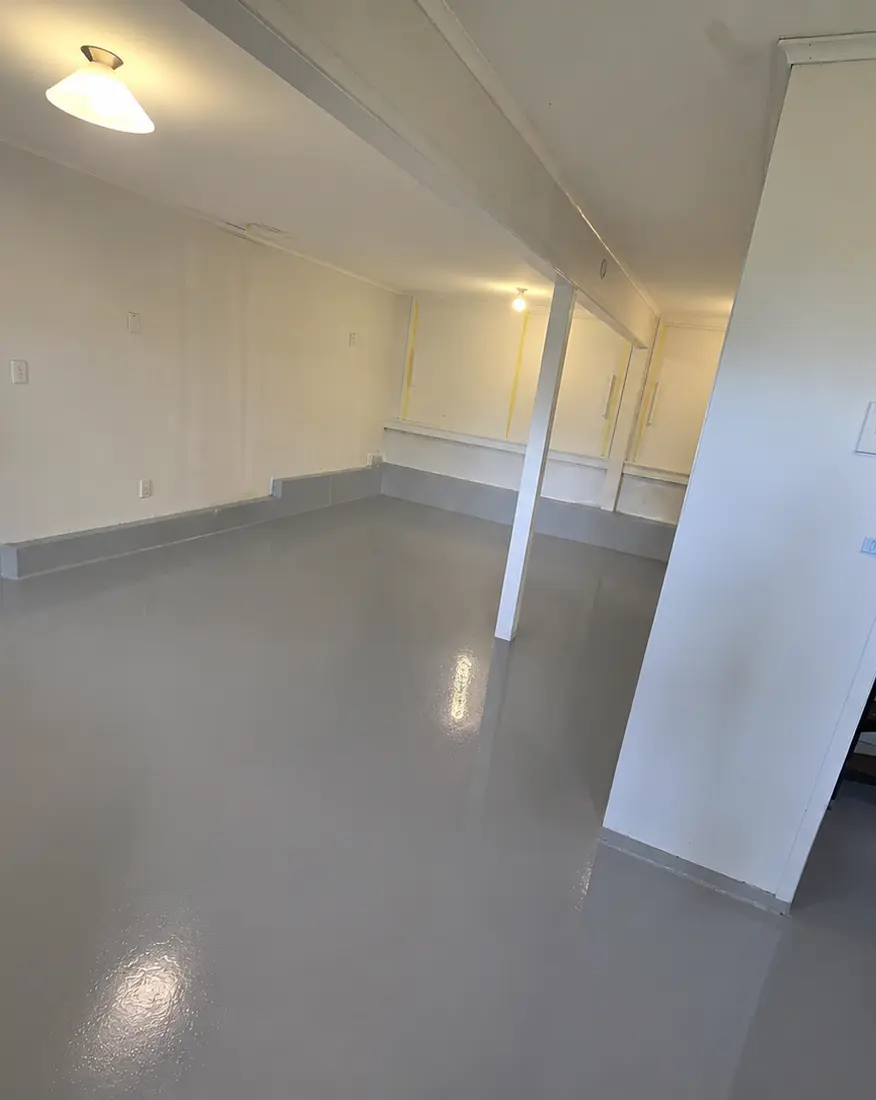
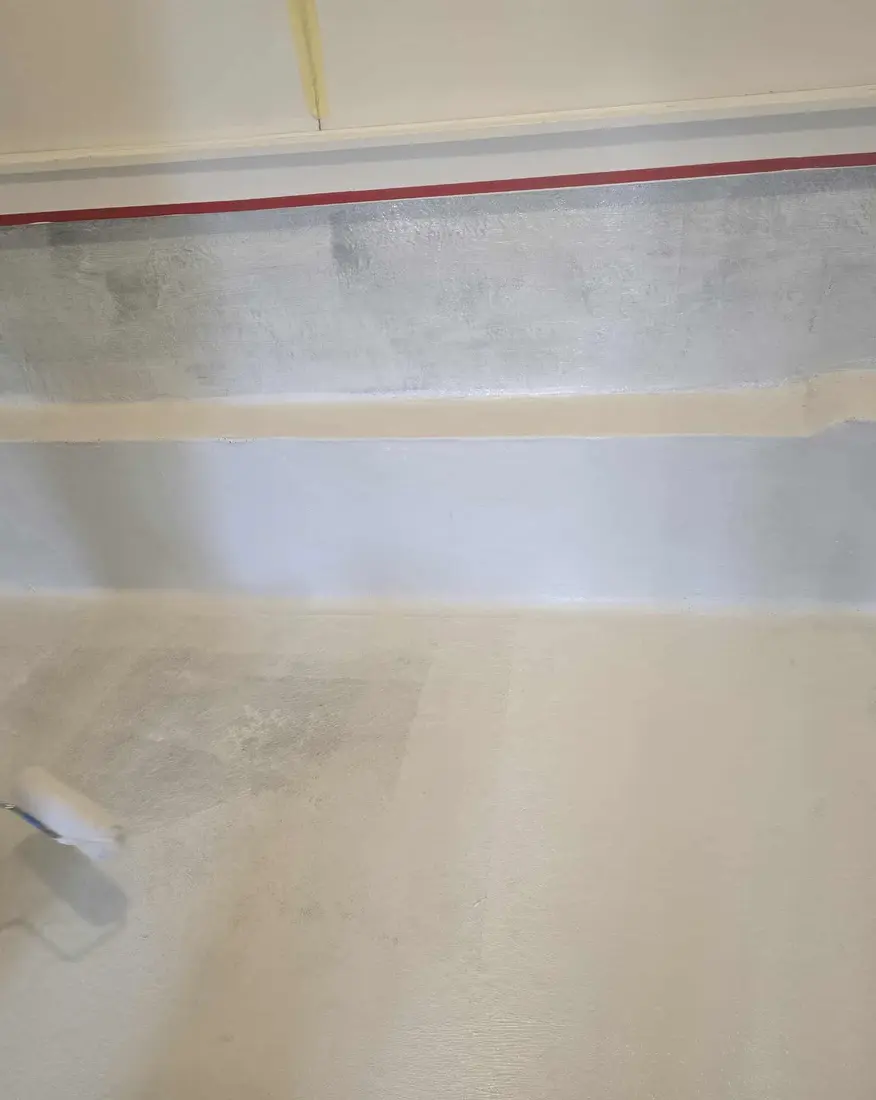
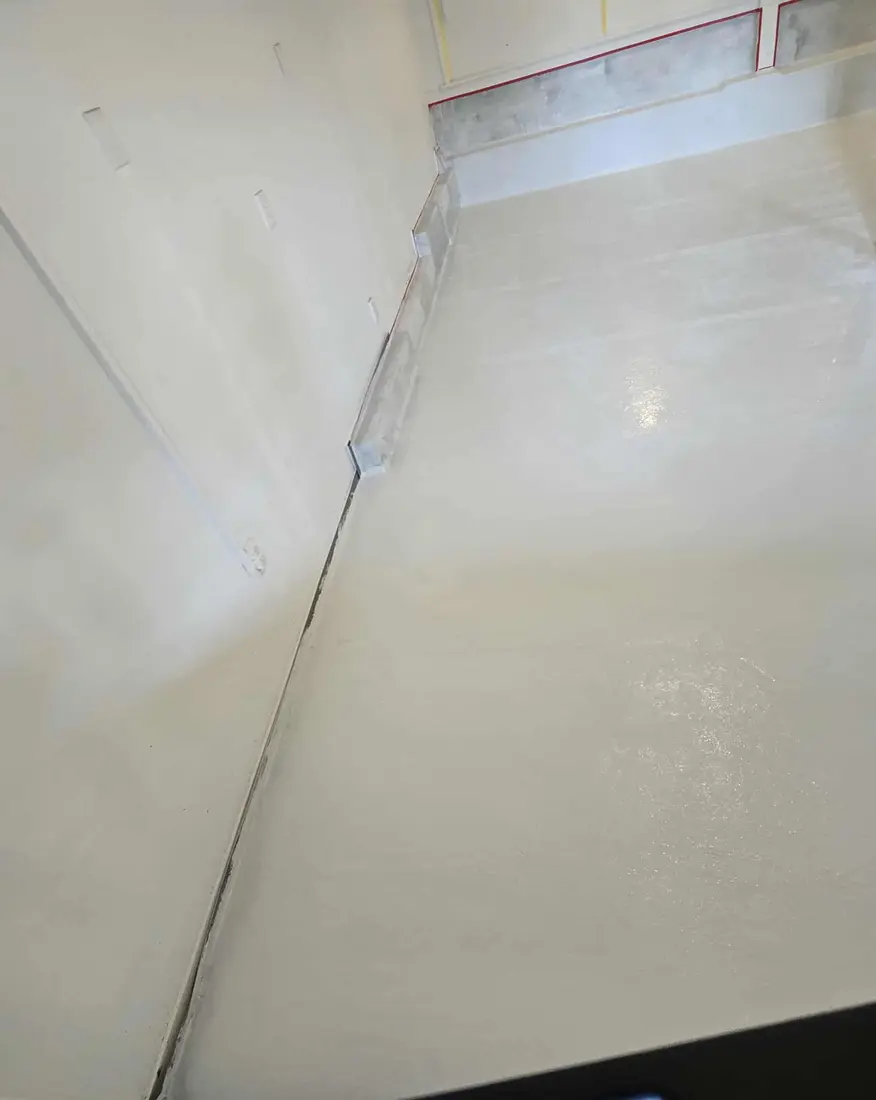
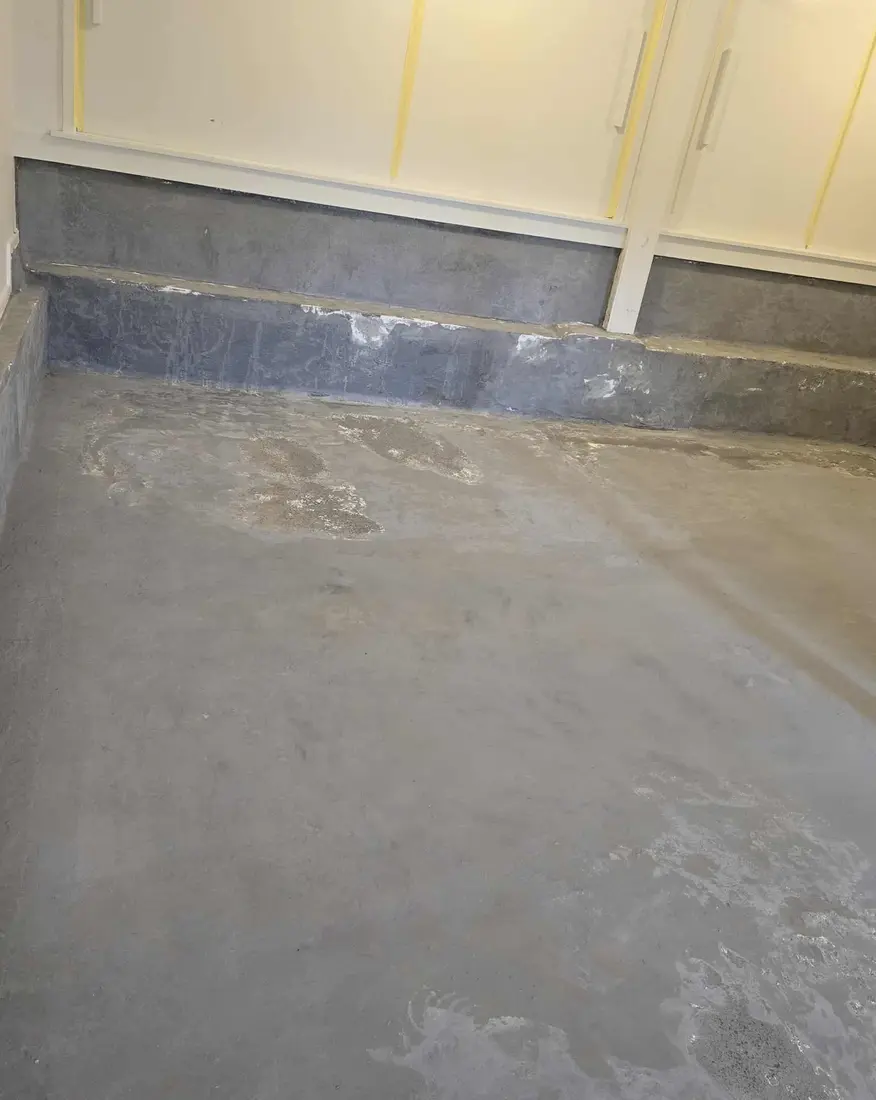
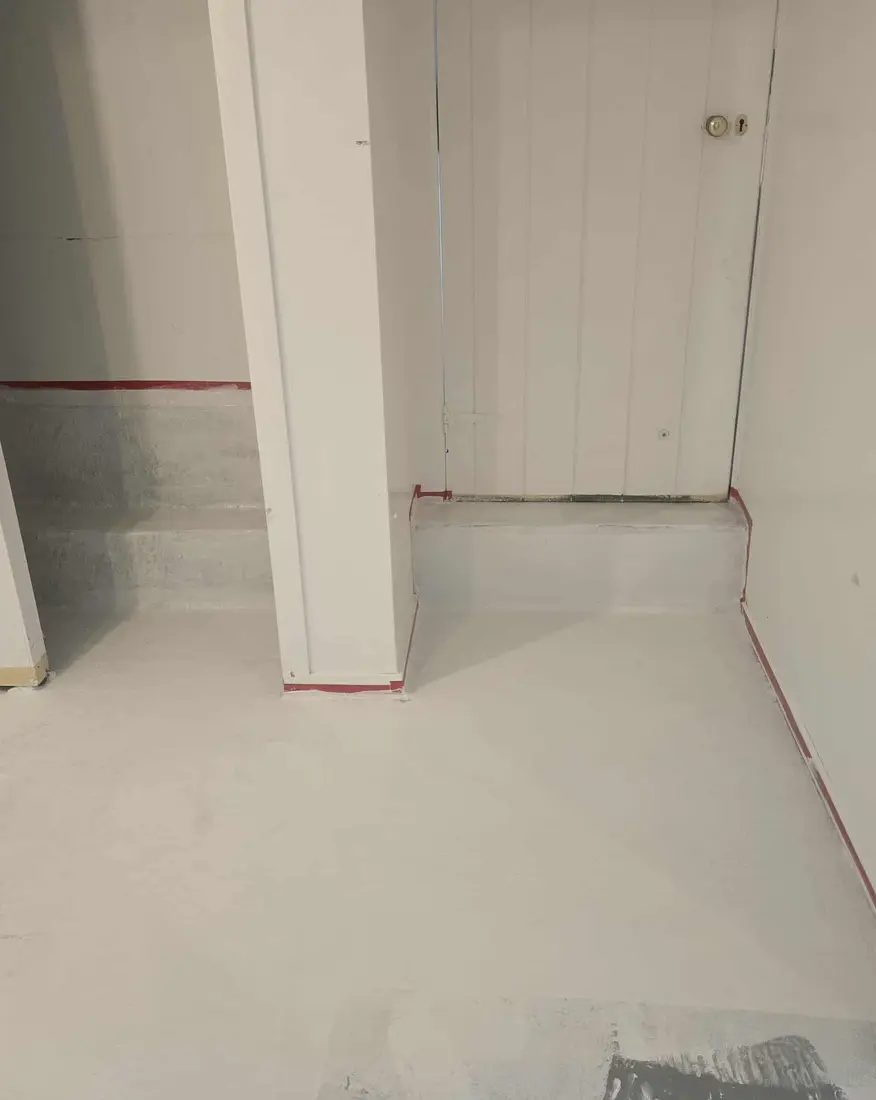
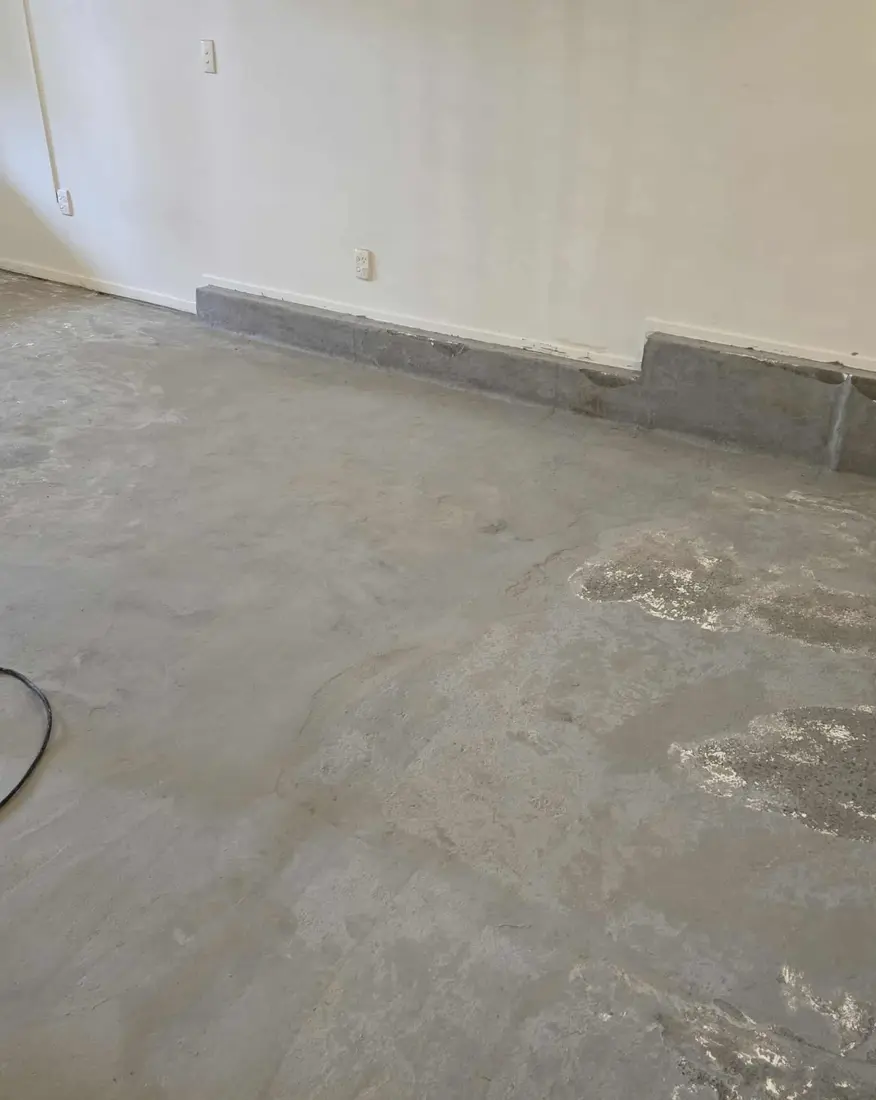
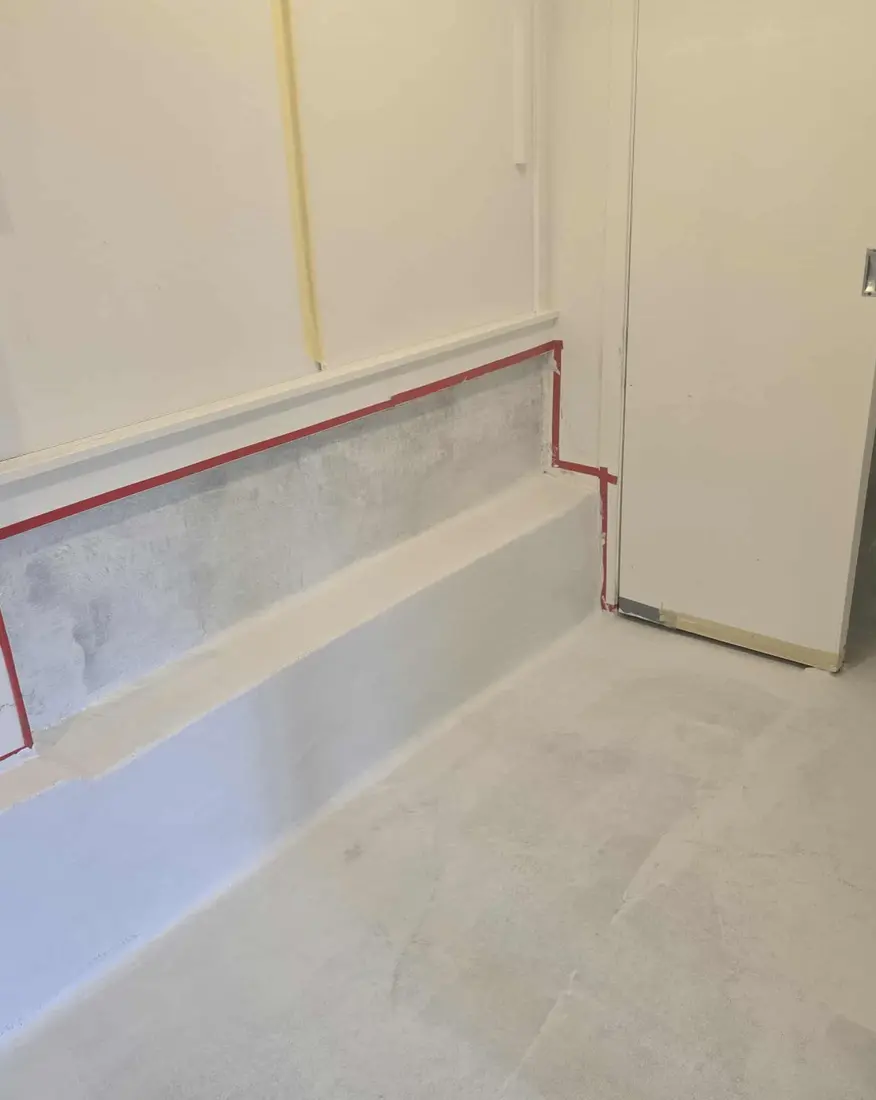
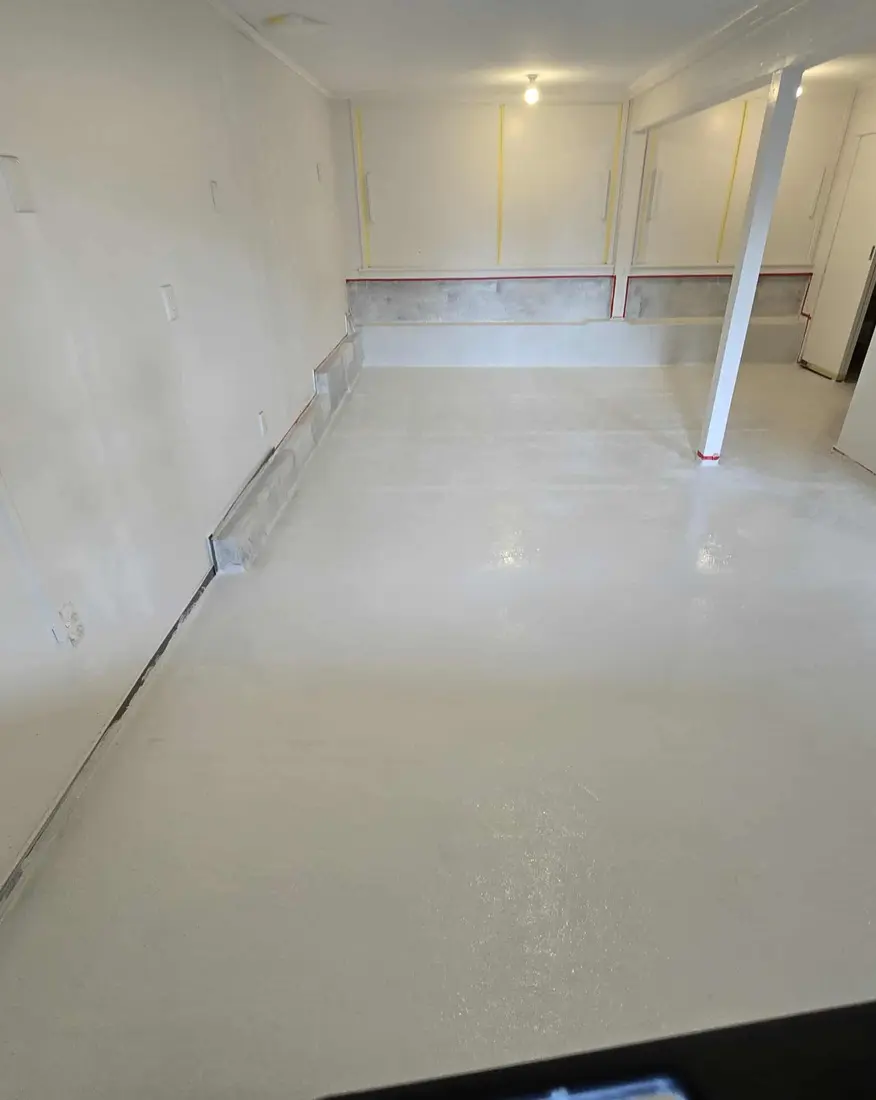
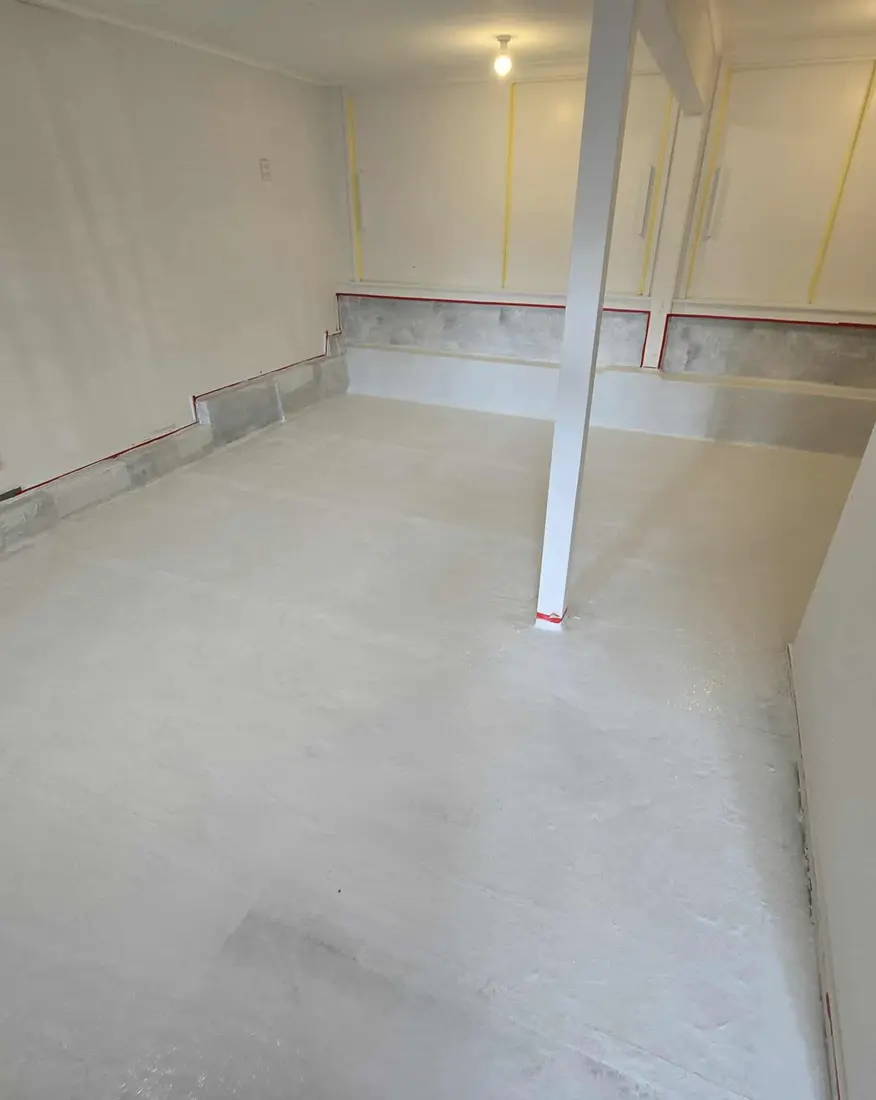
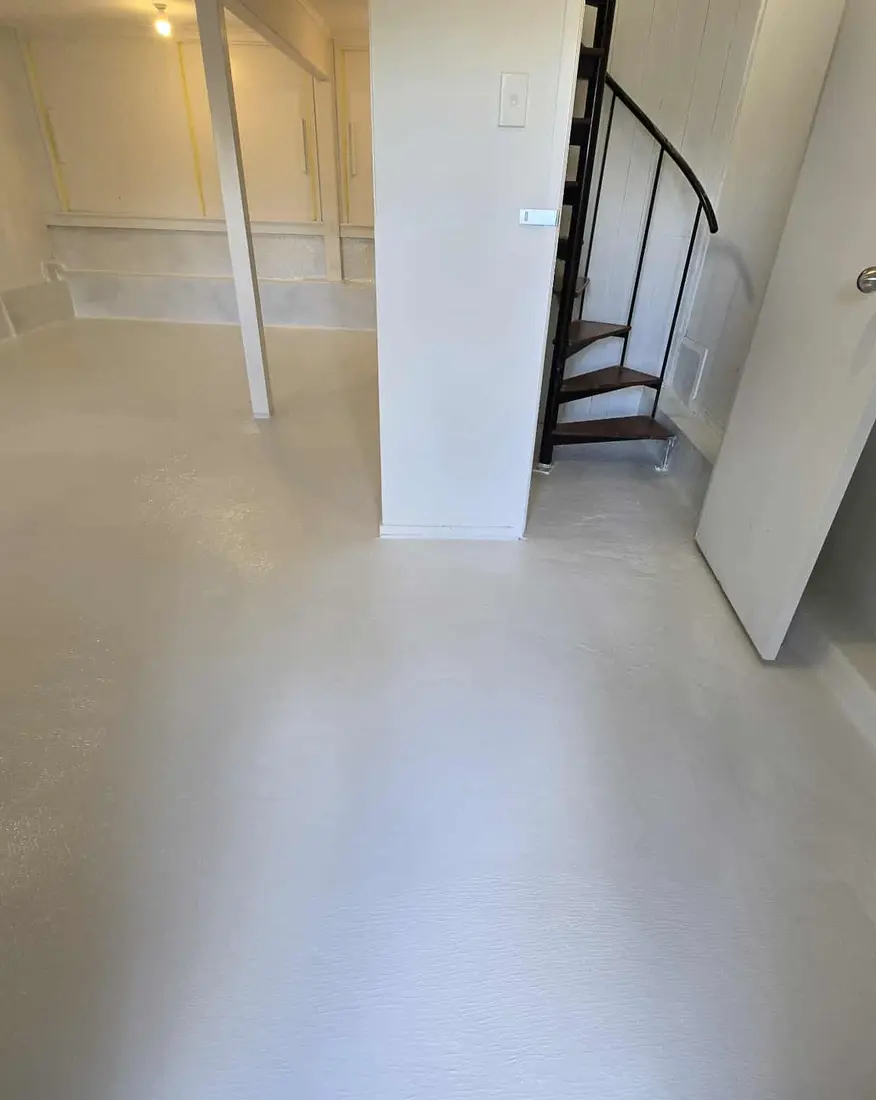
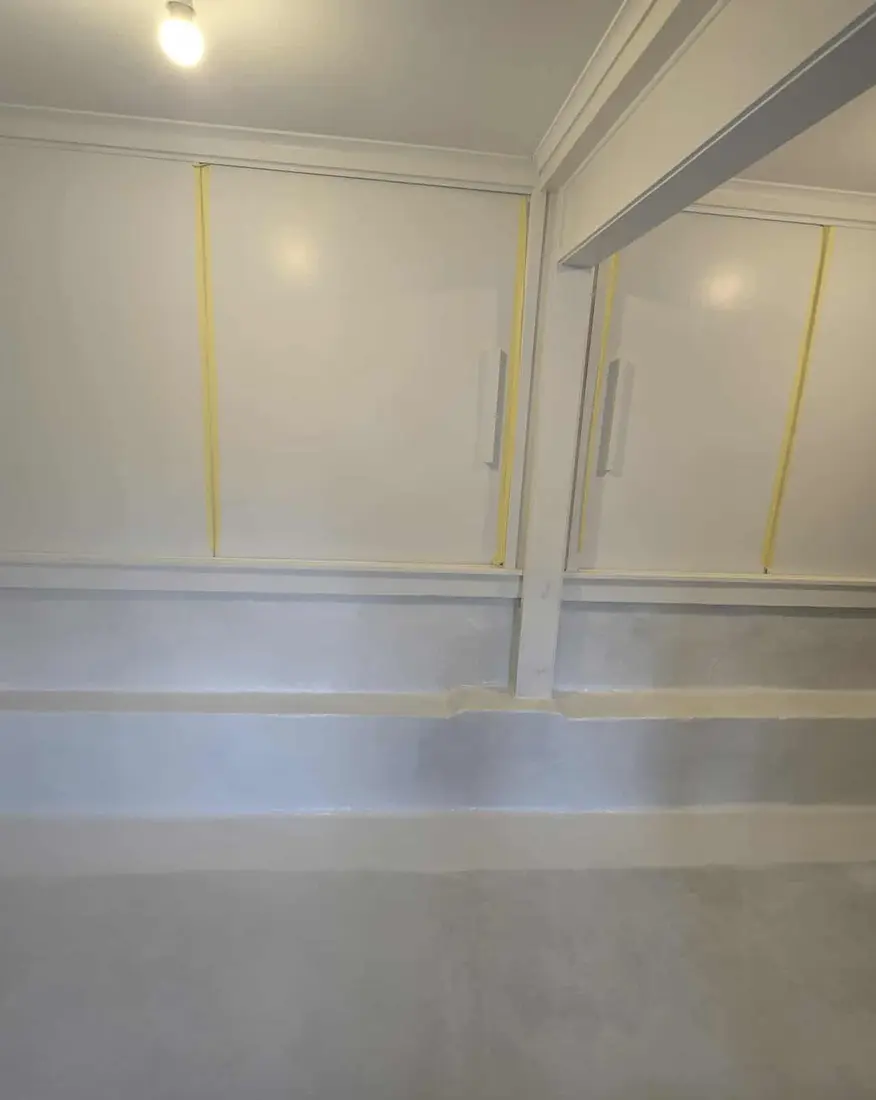
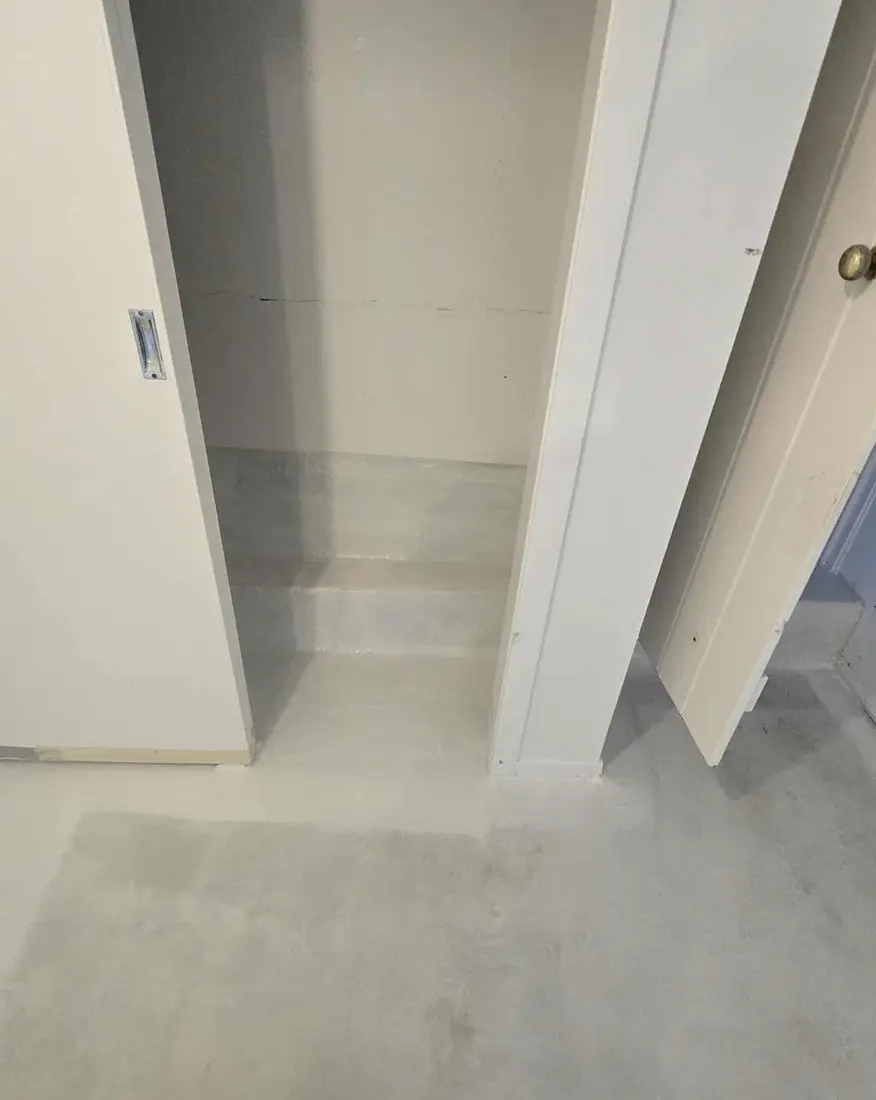
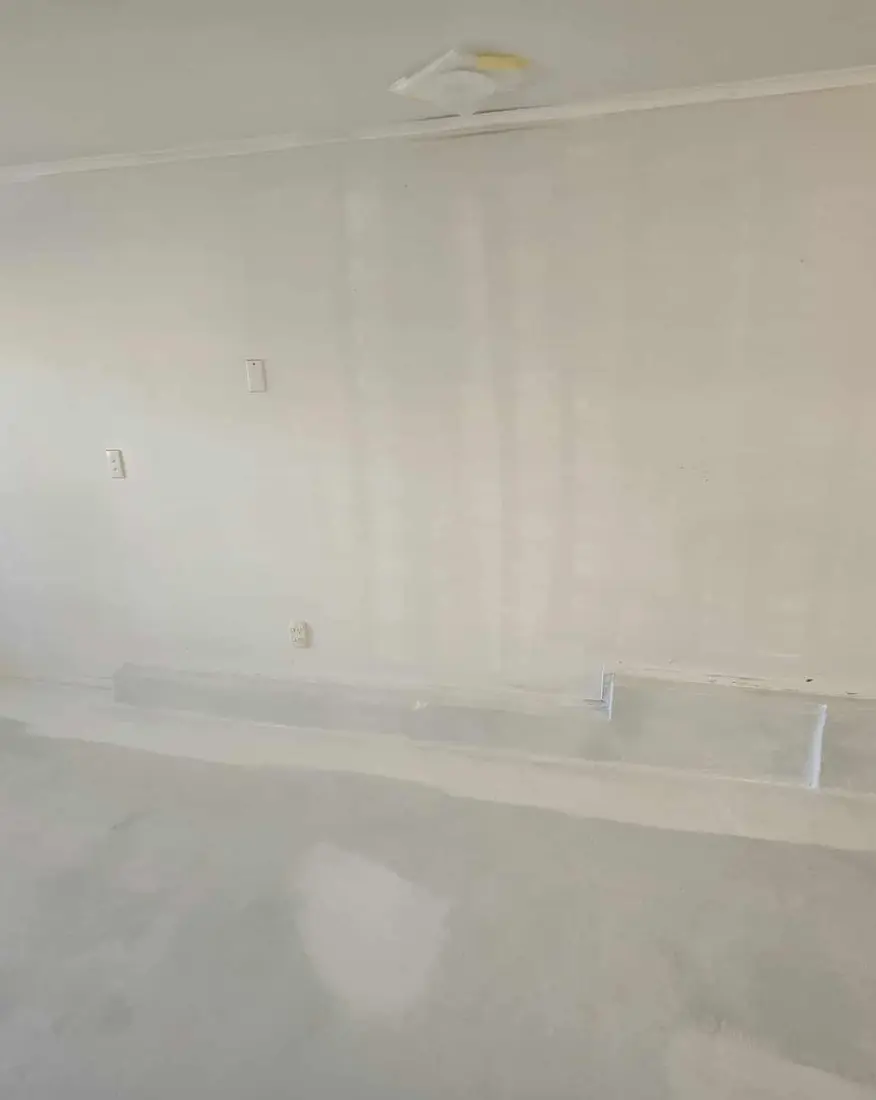
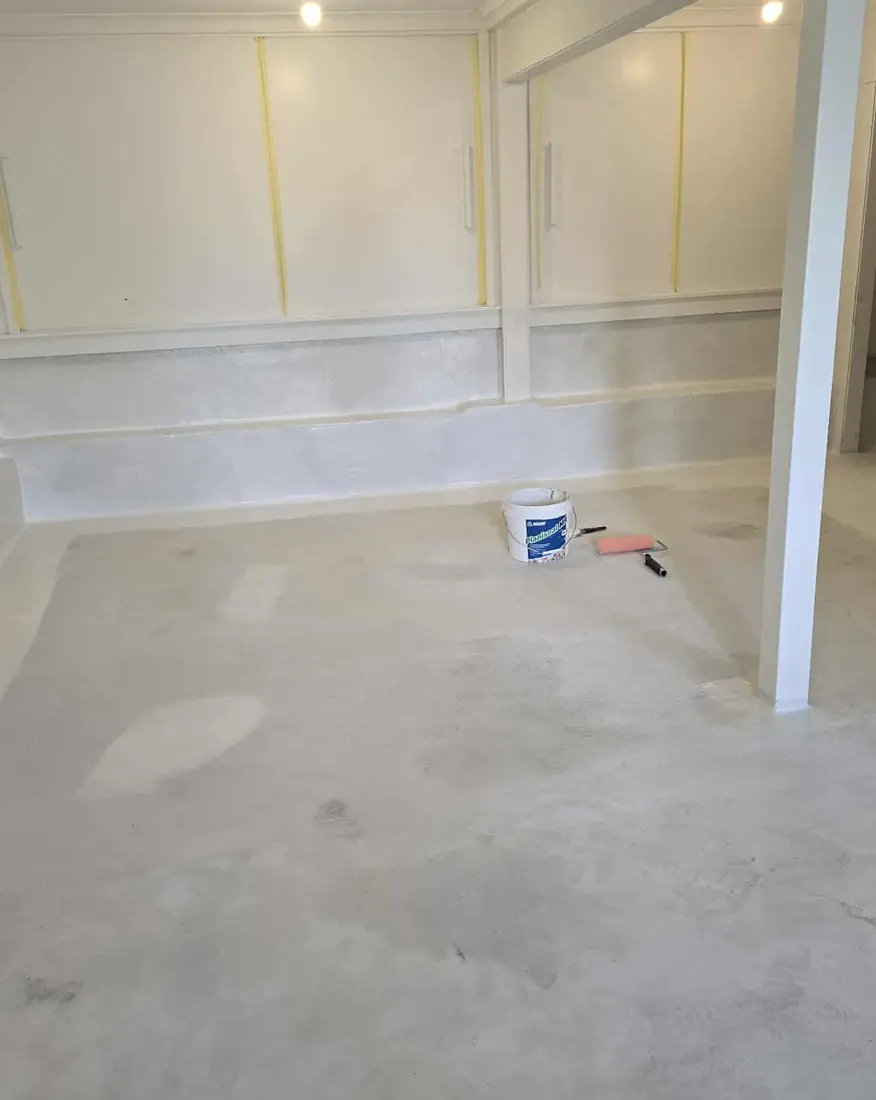
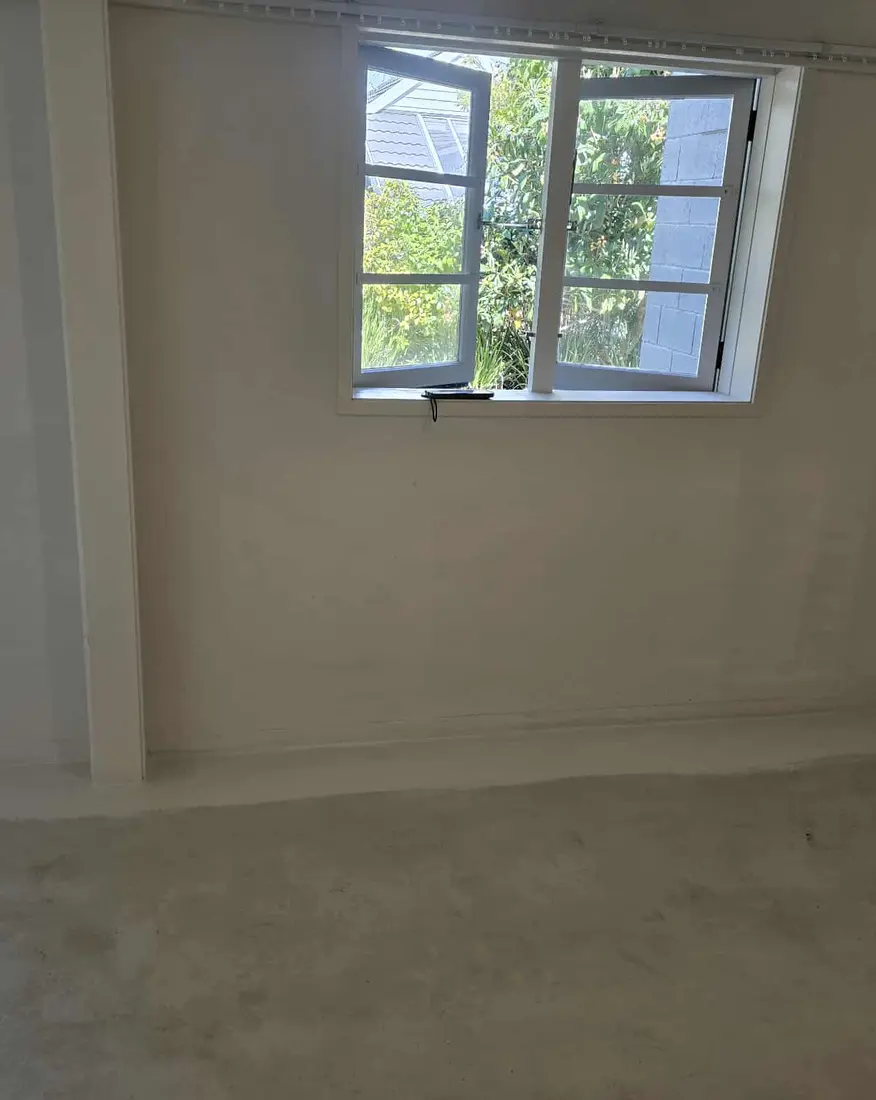
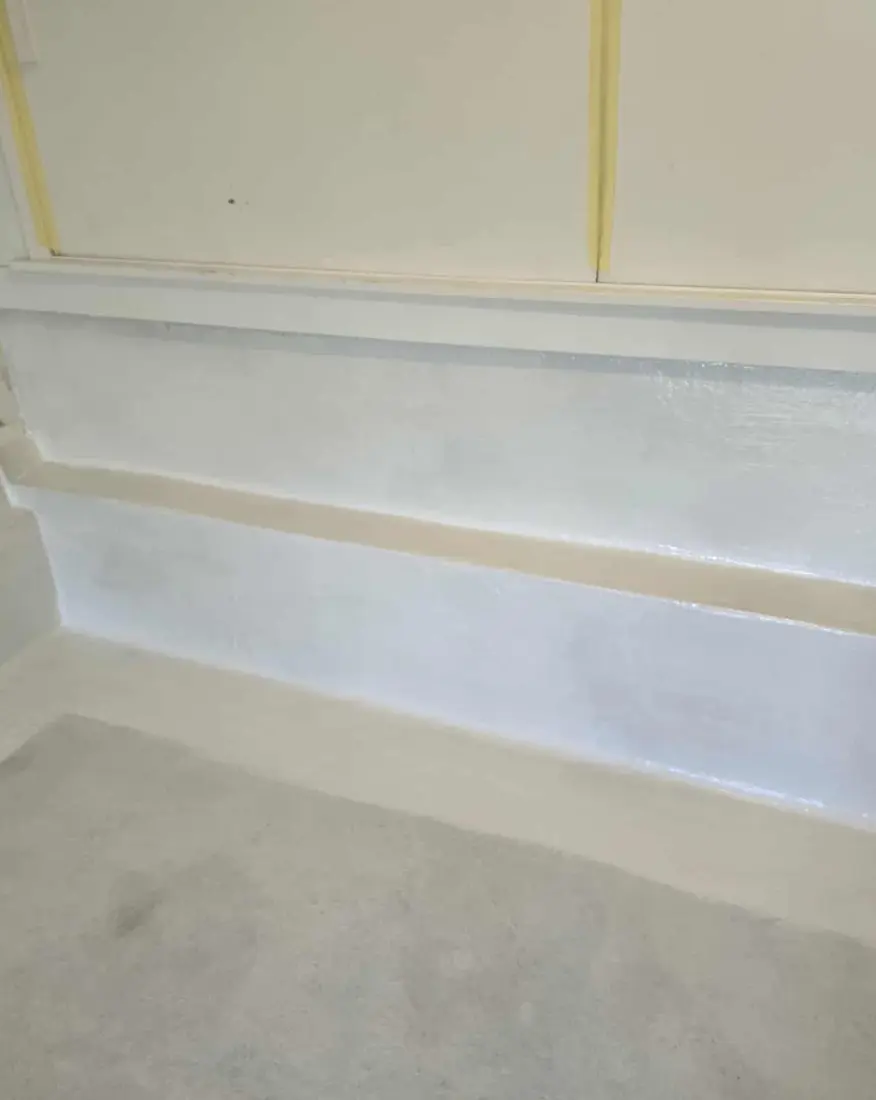
BlastOff prep ground every existing coating from the walls and floor to expose the substrate beneath the failing finishes. Each crack that was uncovered during grinding was repaired using cement epoxy repairs, closing off the points where moisture had likely been finding its way through. Four coats of waterproofing membrane were then applied wall-to-floor, tying the treated surfaces together as one continuous, sealed system rather than isolated patches.
The Outcome
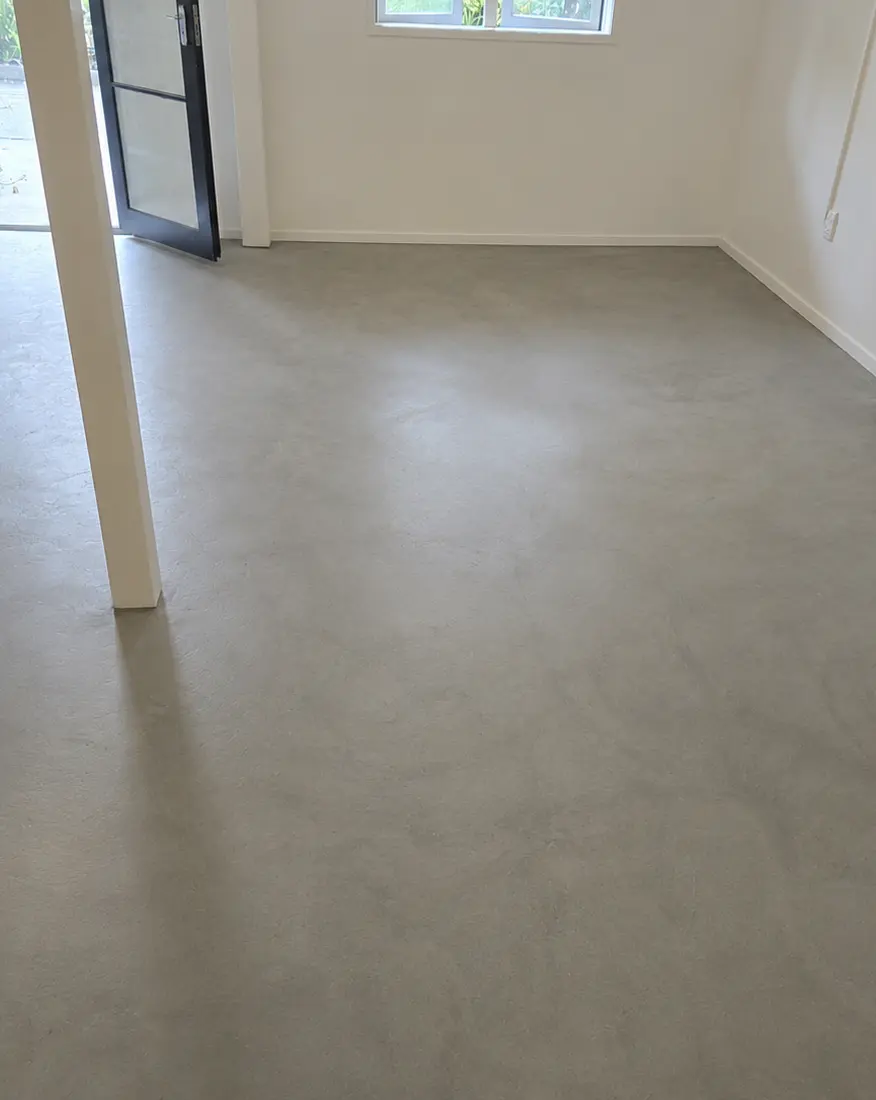
The lower-level space is now dry, with the damp patches, lifting paint and musty air that had affected it resolved. The owners can move forward with finishing and furnishing the area with confidence that the underlying moisture issue has been addressed at the source rather than simply covered over.
From Musty and Damp to Move-In Ready: Internal Waterproofing a St Heliers Lower Level
The lower-level walls and floor of a St Heliers residence had been showing every sign of ongoing moisture ingress: damp patches spreading across the walls, paint lifting away from the surface, and a musty smell that lingered in the air no matter how the space was aired out. The owners had reached the point where they wanted a permanent fix rather than another cycle of redecorating over the same problem, particularly with plans to finish and furnish the space properly.
BlastOff prep ground every existing coating from the walls and floor to get back to the bare substrate, which is the only way to see what is actually happening beneath a failing finish rather than guessing from surface symptoms. Cracks uncovered during that process were repaired individually using cement epoxy repairs, closing off likely entry points before any membrane went on. Four coats of waterproofing membrane were then applied wall-to-floor, tying the treated surfaces together into one continuous, sealed system instead of a series of disconnected patches.
This kind of lower-level moisture problem is common in older Auckland homes, and the pattern is usually the same: repeated repainting treats the symptom while the actual water path stays untouched underneath. Owners in a similar position should expect a proper assessment to start with exposing the substrate, since that is what reveals whether cracking, poor original preparation or a genuine external water source is driving the problem. Corners and floor-to-wall junctions deserve particular attention during that assessment, as these are where an otherwise sound membrane can still let moisture back in.
With the treatment complete, the St Heliers lower level is now dry and the owners can move ahead with finishing and furnishing it, backed by proper internal waterproofing rather than another temporary cosmetic fix.
Testimonials
Project Images
Clients value our reliability, communication, and the quality of our work.
Posted on GoogleTrustindex verifies that the original source of the review is Google. Damian came promptly, explained the process clearly and gave us a quote. The work was done professionally and Damian was available and easily contactable throughout. His team were great to deal with and completed the internal waterproofing of our garage and rumpus room. We were very happy with the result. N BrightPosted on GoogleTrustindex verifies that the original source of the review is Google. Awesome work by Blastoff Solutions. Damien was a pleasure to deal with. Got back promptly to any queries and questions. Offering both a cost effective and practical solution to our needs. Work carried out to a high standard. Highly recommend.Posted on GoogleTrustindex verifies that the original source of the review is Google. Damian is a good communicator and the job was done to a good standard by his team. Thank you.Posted on GoogleTrustindex verifies that the original source of the review is Google. Our rental property is concrete block unit and we had leakage from one of the wall of lounge. Danial of this company visited and and gave satisfying answers to my questions and after accepting the quote the work was done to my satisfaction.Posted on GoogleTrustindex verifies that the original source of the review is Google. Good communication and did a great job. Estimated cost was very accurate.Posted on GoogleTrustindex verifies that the original source of the review is Google. Coming to the rescue, getting the job done in time! With amazing results! Very impressed, thank youPosted on GoogleTrustindex verifies that the original source of the review is Google. My deck looks like new again, thanks to Blastoff Washing team!Verified by TrustindexTrustindex verified badge is the Universal Symbol of Trust. Only the greatest companies can get the verified badge who has a review score above 4.5, based on customer reviews over the past 12 months. Read more
Ready to get started?
Planning crane or port maintenance? Talk to BlastOff.