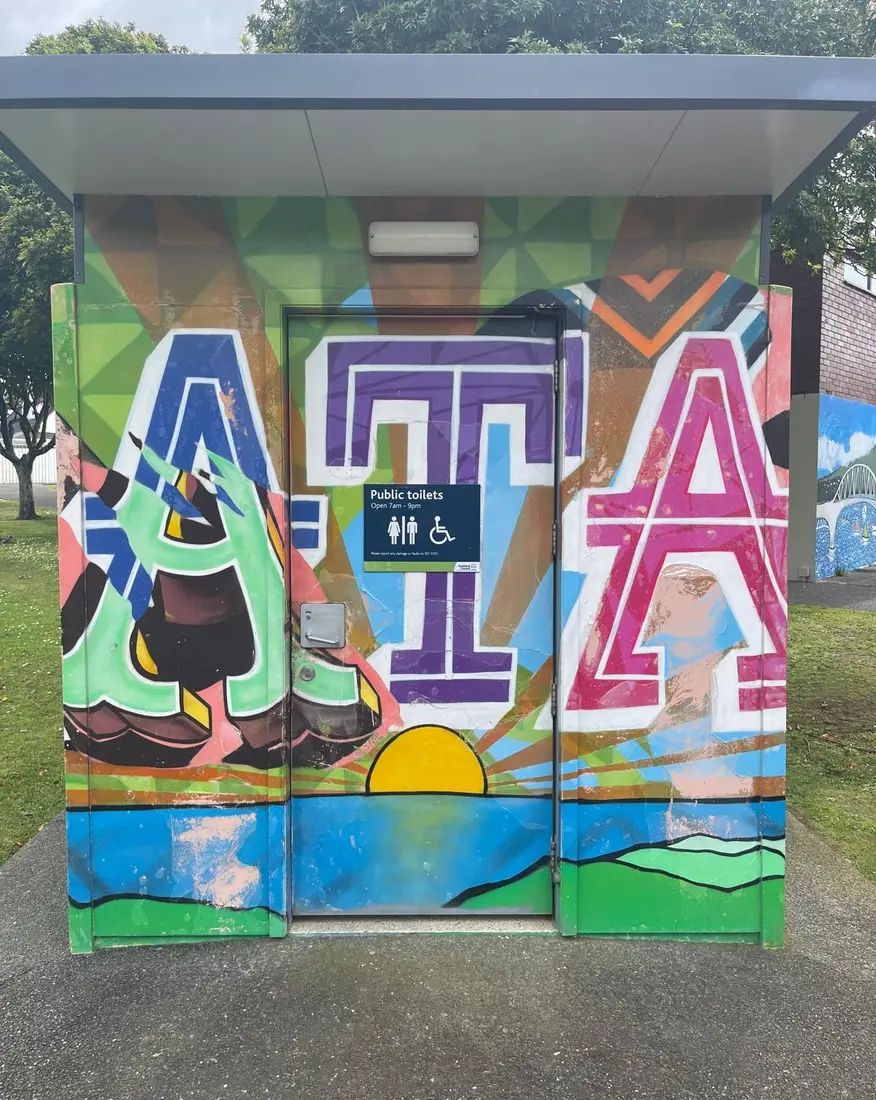
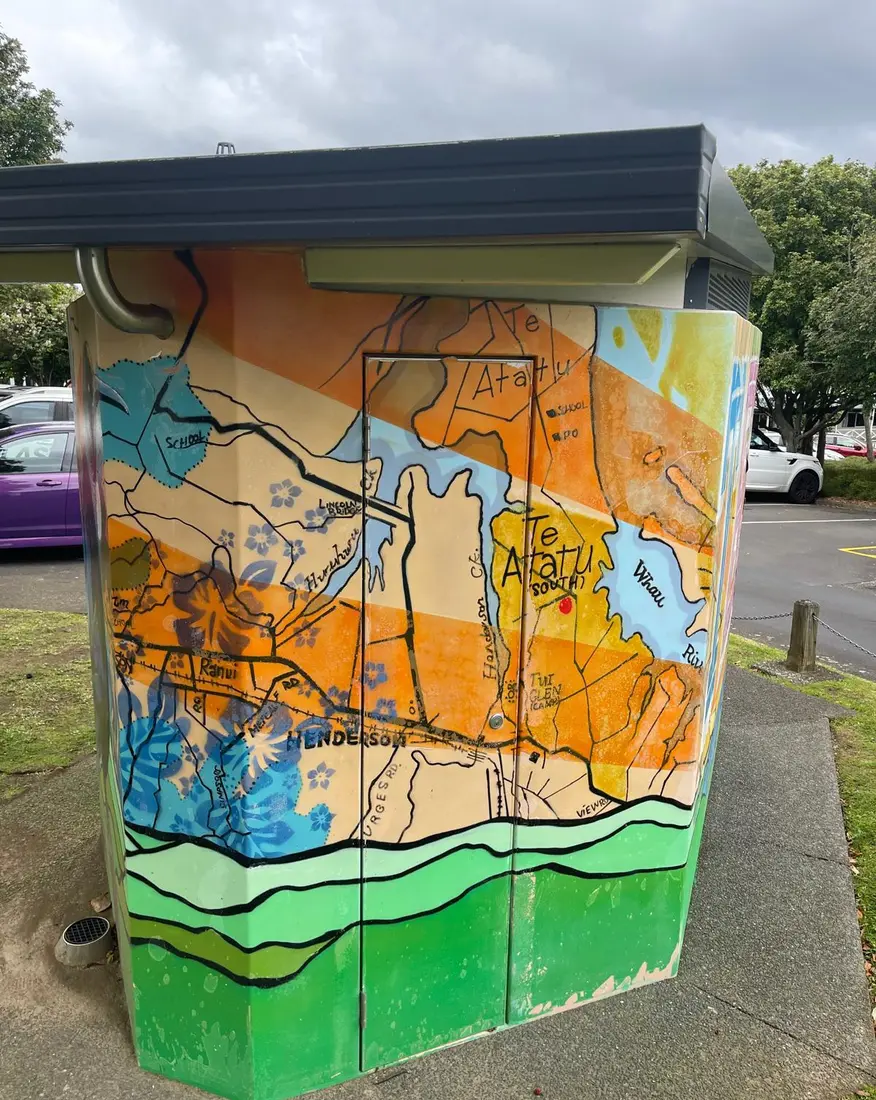
Lloyd Morgan Toilet Blocks
Commercial Waterproofing, Te Atatū South
LOCATION
SERVICE
The Challenge
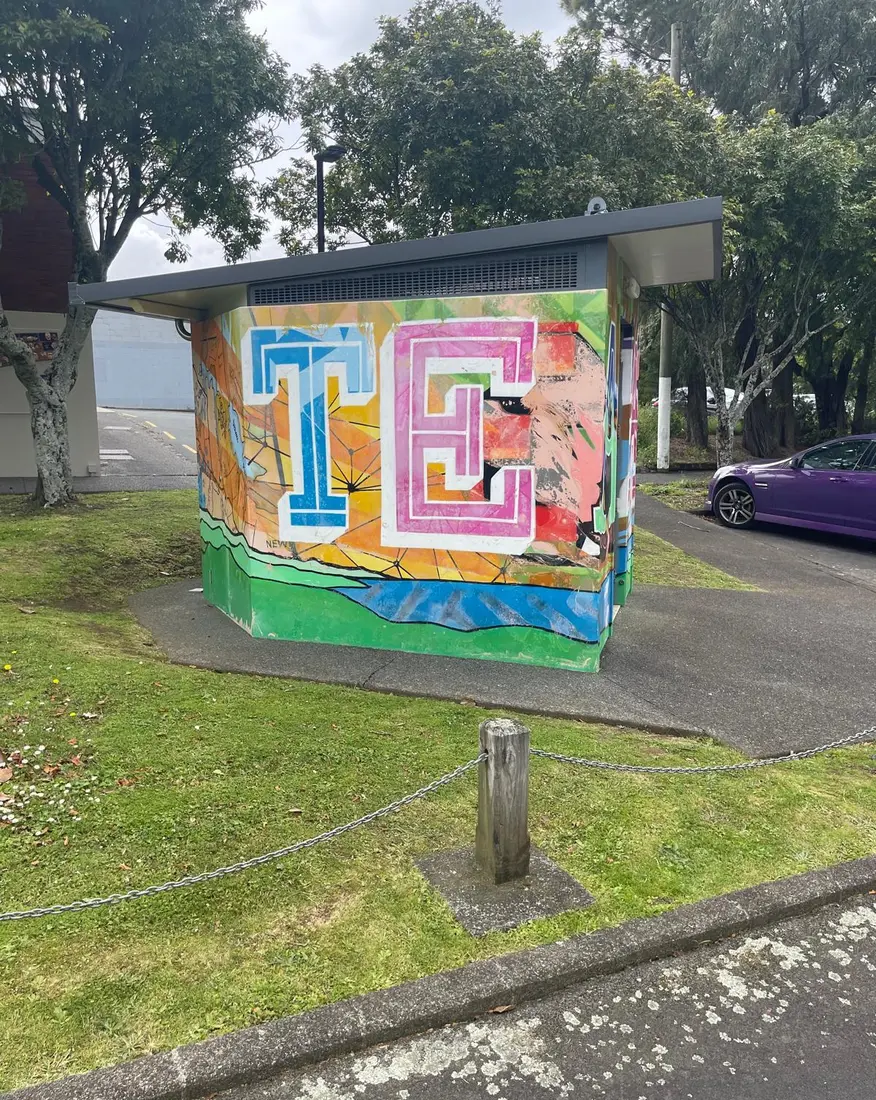
The Lloyd Morgan toilet blocks had accumulated layers of paint over the years, applied over block walls and a concrete floor without resolving the moisture reaching the structure. Older amenity buildings like this often carry a history of surface-level repainting that masks rather than addresses water ingress, meaning the substrate had to be properly exposed before any lasting treatment could be applied.
Our Approach
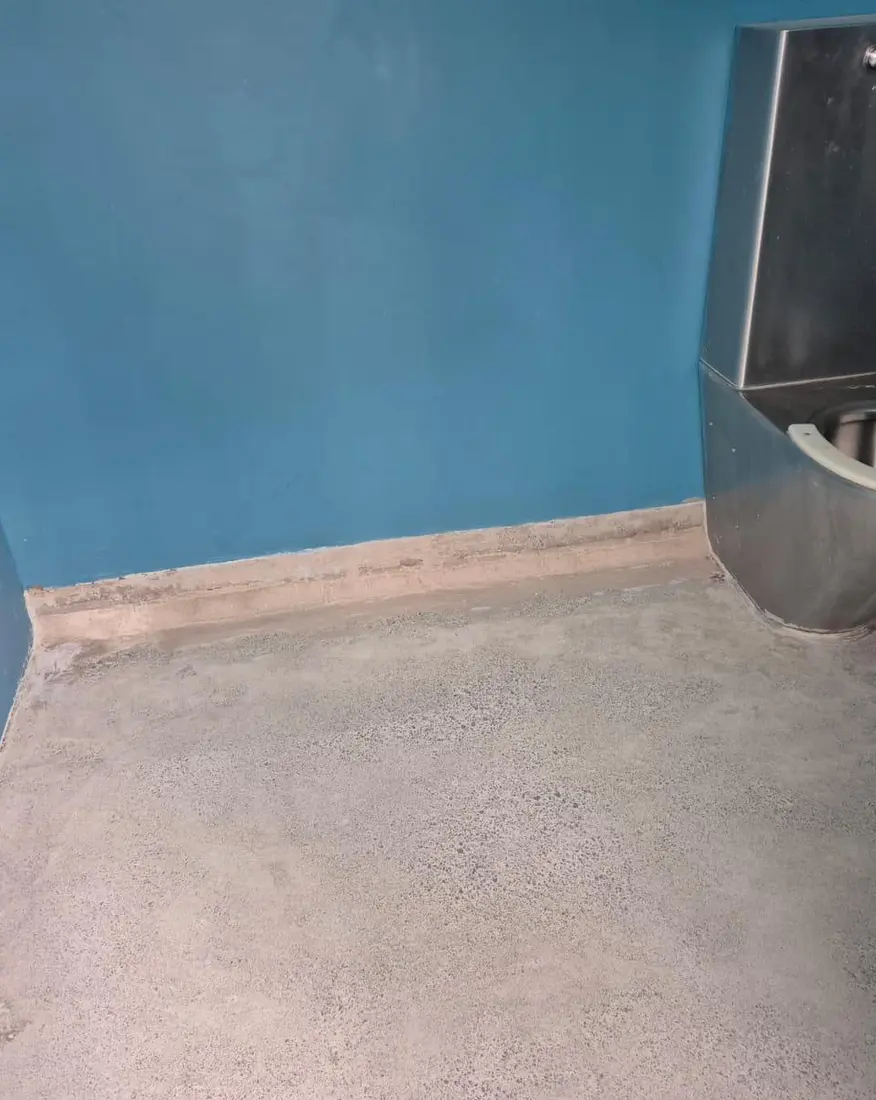
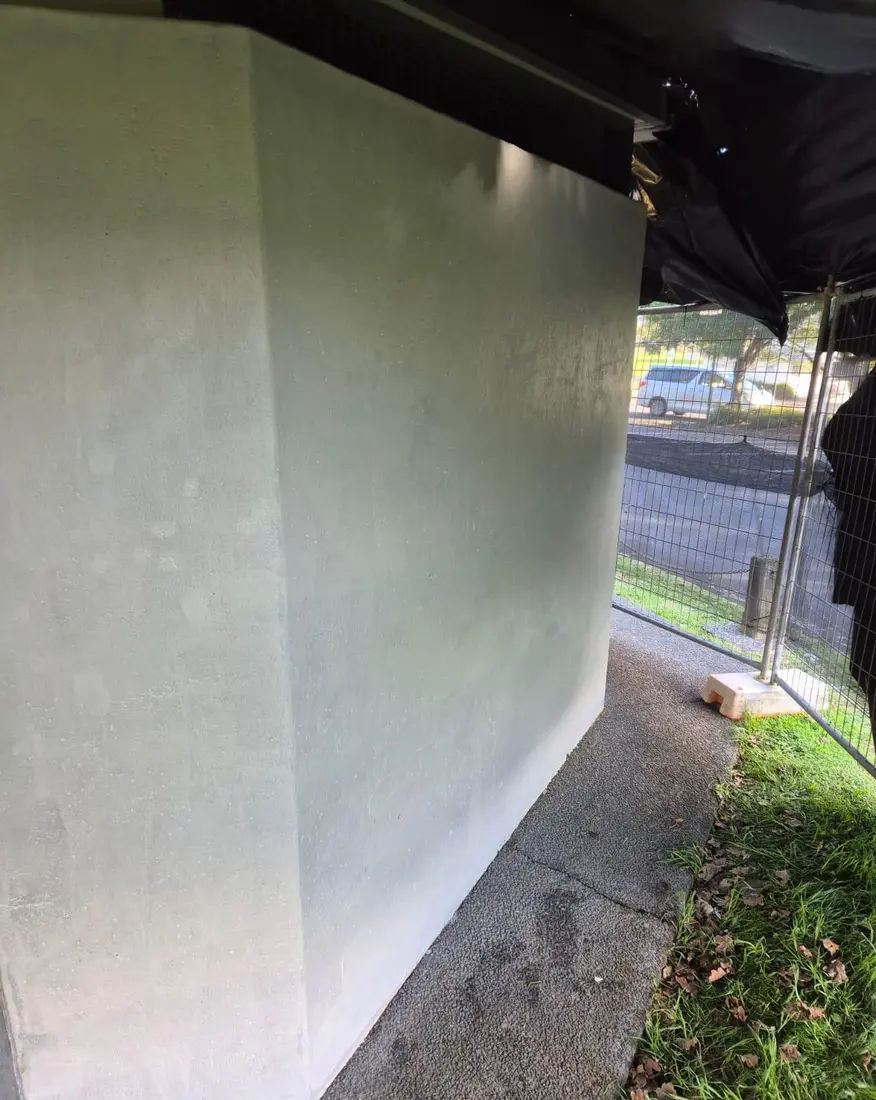
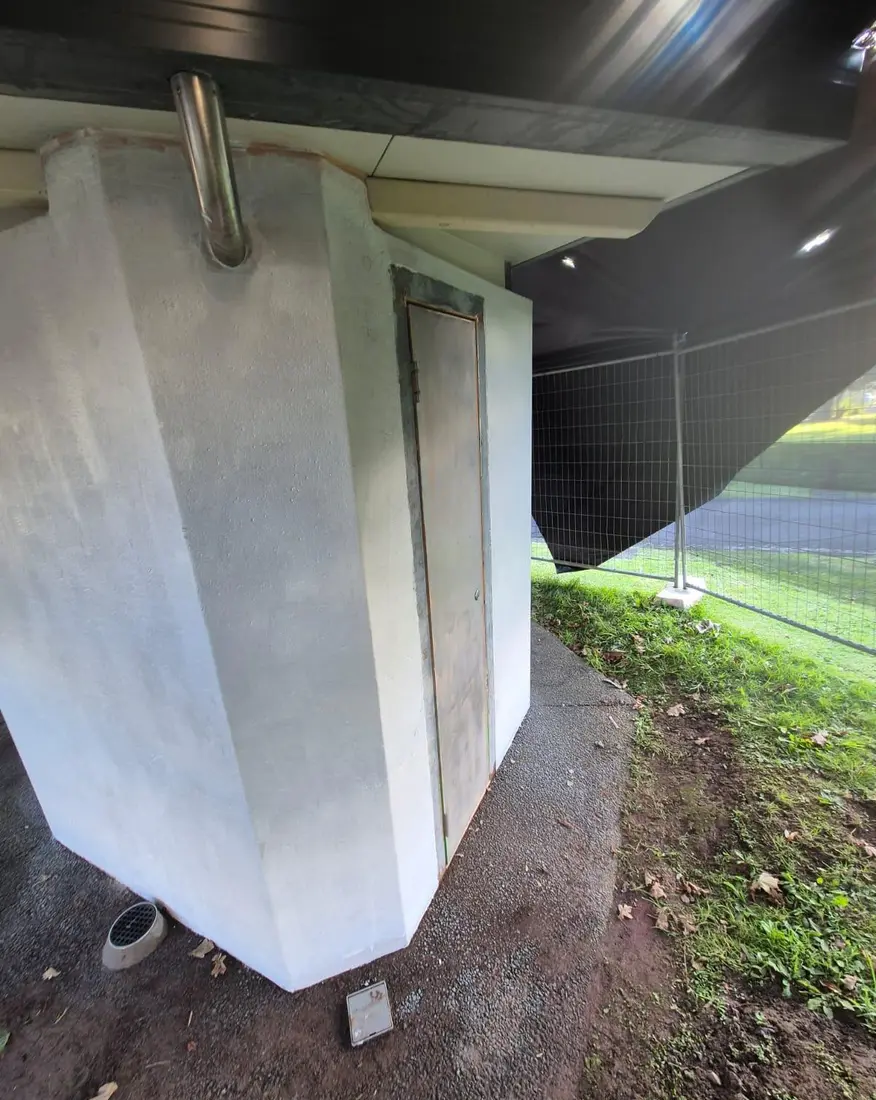
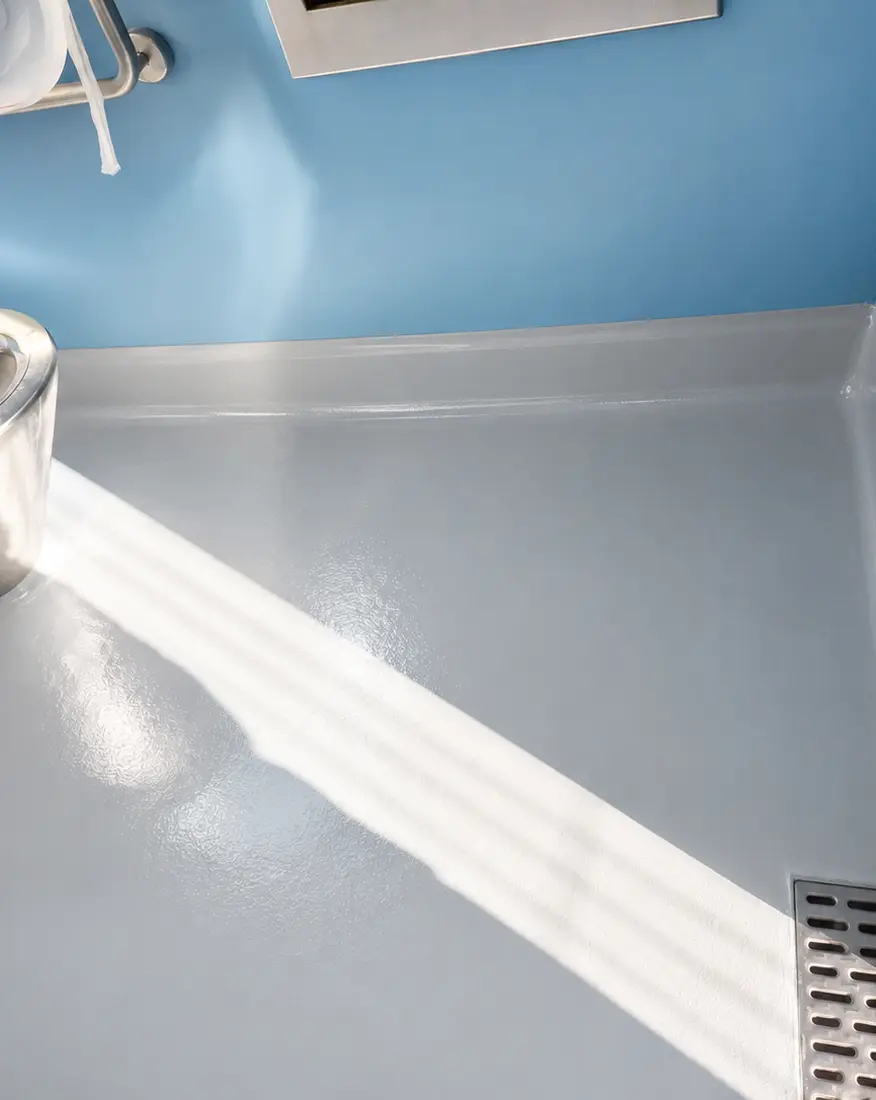
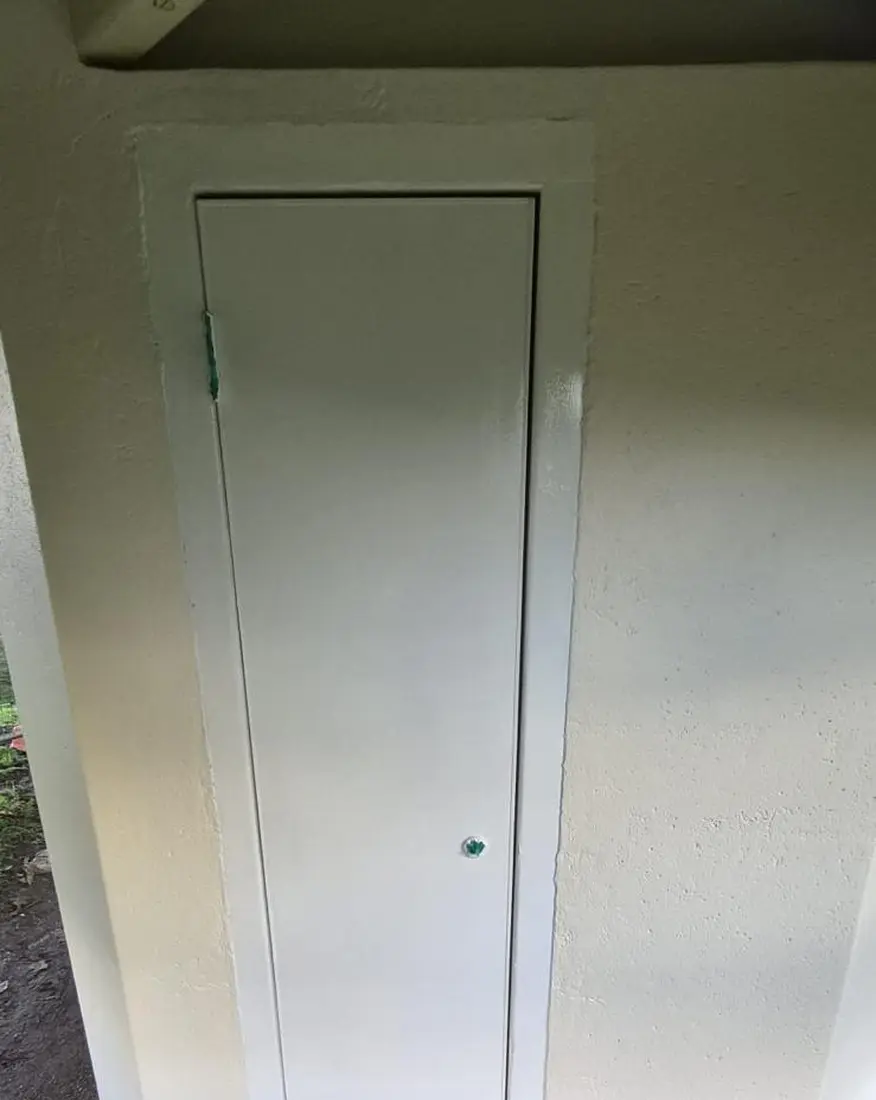
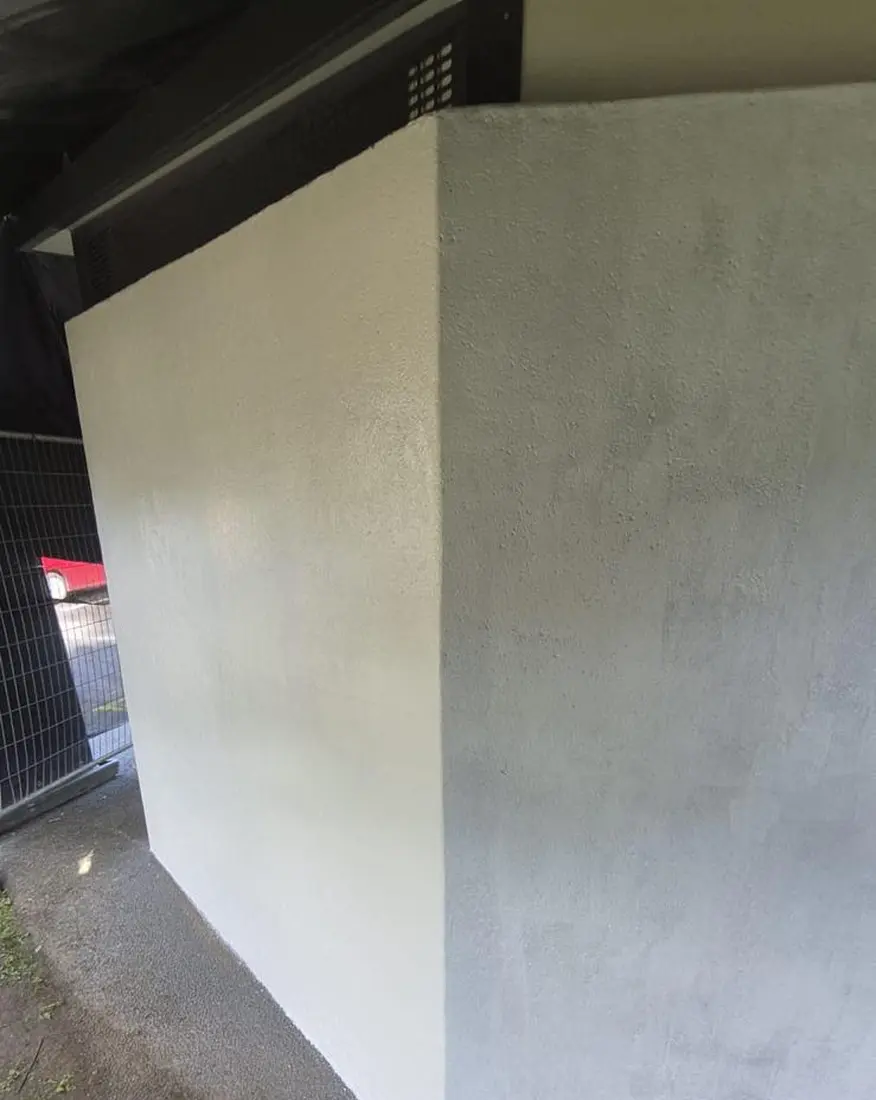
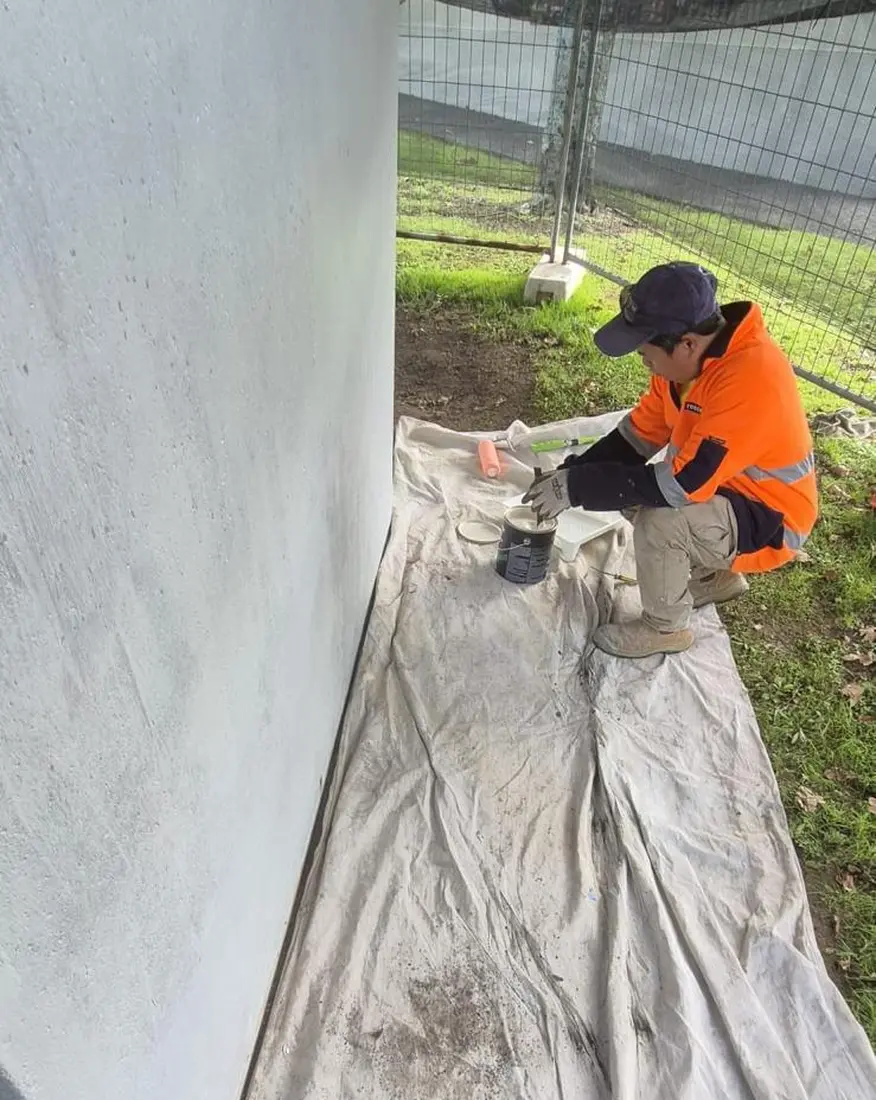
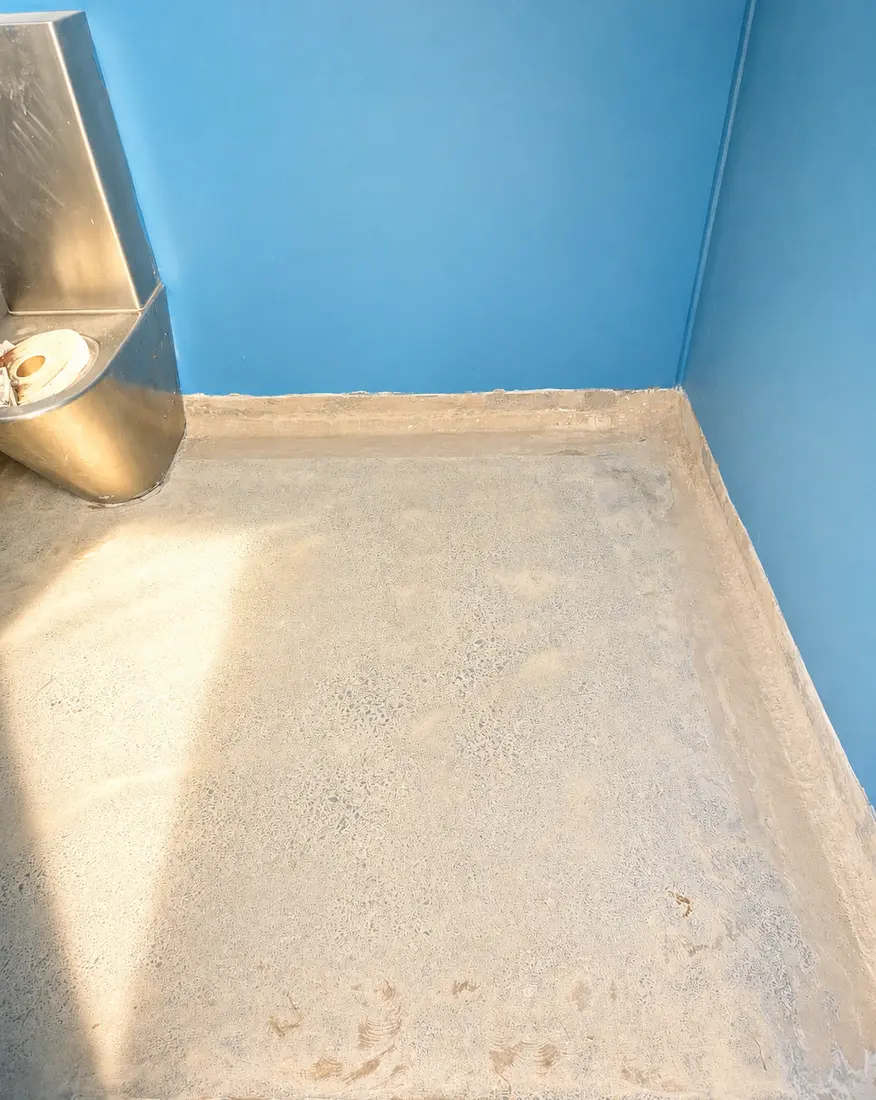
BlastOff sandblasted every existing coating from the block walls and concrete floor, working back through the built-up layers of paint to expose the substrate underneath. Once the surfaces were clean and sound, a complete waterproofing system was applied across both the walls and the floor as one continuous defence, rather than treating each surface separately or leaving junctions between them untreated.
The Outcome
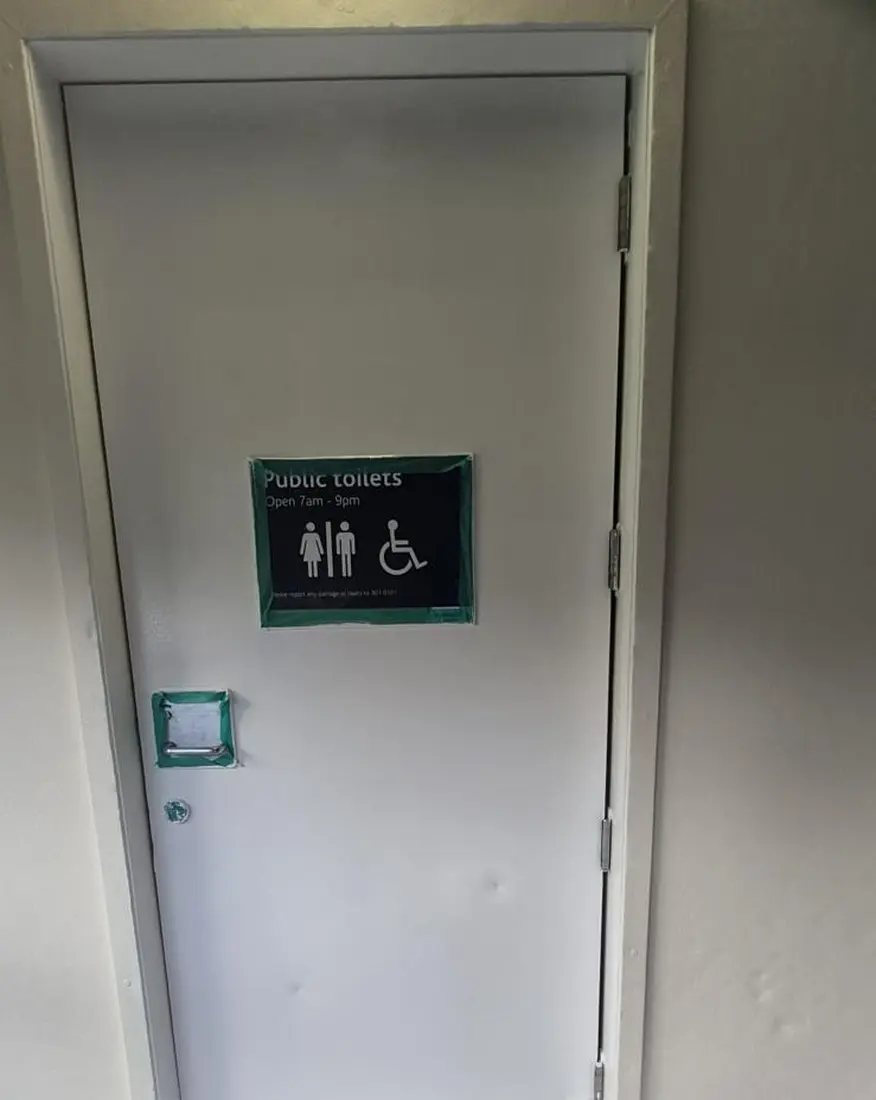
Moisture was locked out of the Lloyd Morgan toilet blocks once the new waterproofing system was in place across the walls and floor. The finishes inside the building are now better protected, and the public amenity is set up to withstand its ongoing cleaning regime without the coating failures the old surfaces were experiencing.
Cutting Through Decades of Paint to Finally Waterproof Lloyd Morgan's Toilet Blocks
Some buildings carry their history in their coatings, and the Lloyd Morgan toilet blocks in Te Atatū South, managed by Green by Nature, had years of paint layered over block walls and a concrete floor without ever resolving the moisture getting into the structure. Repainting had become the default response, but each new coat simply sat on top of the last without addressing why the surface kept failing.
BlastOff sandblasted through every one of those built-up layers on the walls and floor, working back to a genuinely sound substrate rather than stopping once the surface looked presentable. Once the block walls and floor were clean, a complete waterproofing system was applied across both surfaces as one continuous defence, so the finished barrier ran unbroken through the junctions where the old paint had previously masked ongoing dampness. That distinction, between coating a surface and waterproofing a structure, is often the difference between a fix that lasts and one that needs redoing within a year or two.
For anyone managing older public amenity buildings with a similar paint history, this project is a reminder to look past the visible surface. A build-up of coatings can hide years of unresolved moisture, and a proper scoping conversation should include stripping back to substrate before deciding on the waterproofing approach, rather than assuming another coat will hold. It is also worth asking how the building has been maintained historically, since a pattern of repeat repainting is often the clearest sign that previous work only ever addressed the symptom.
With the new system in place, moisture is locked out and the finishes inside are far less likely to suffer the blistering and breakdown that repeated repainting could never prevent, giving the amenity a genuine commercial waterproofing system rather than another layer of paint sitting on top of the same underlying issue.
Testimonials
Project Images
Clients value our reliability, communication, and the quality of our work.
Posted on GoogleTrustindex verifies that the original source of the review is Google. Damian came promptly, explained the process clearly and gave us a quote. The work was done professionally and Damian was available and easily contactable throughout. His team were great to deal with and completed the internal waterproofing of our garage and rumpus room. We were very happy with the result. N BrightPosted on GoogleTrustindex verifies that the original source of the review is Google. Awesome work by Blastoff Solutions. Damien was a pleasure to deal with. Got back promptly to any queries and questions. Offering both a cost effective and practical solution to our needs. Work carried out to a high standard. Highly recommend.Posted on GoogleTrustindex verifies that the original source of the review is Google. Damian is a good communicator and the job was done to a good standard by his team. Thank you.Posted on GoogleTrustindex verifies that the original source of the review is Google. Our rental property is concrete block unit and we had leakage from one of the wall of lounge. Danial of this company visited and and gave satisfying answers to my questions and after accepting the quote the work was done to my satisfaction.Posted on GoogleTrustindex verifies that the original source of the review is Google. Good communication and did a great job. Estimated cost was very accurate.Posted on GoogleTrustindex verifies that the original source of the review is Google. Coming to the rescue, getting the job done in time! With amazing results! Very impressed, thank youPosted on GoogleTrustindex verifies that the original source of the review is Google. My deck looks like new again, thanks to Blastoff Washing team!Verified by TrustindexTrustindex verified badge is the Universal Symbol of Trust. Only the greatest companies can get the verified badge who has a review score above 4.5, based on customer reviews over the past 12 months. Read more
Ready to get started?
Planning crane or port maintenance? Talk to BlastOff.