Wilson Carpark, Newmarket
Intumescent Fire Protection Reinstatement
LOCATION
SERVICE
The Challenge
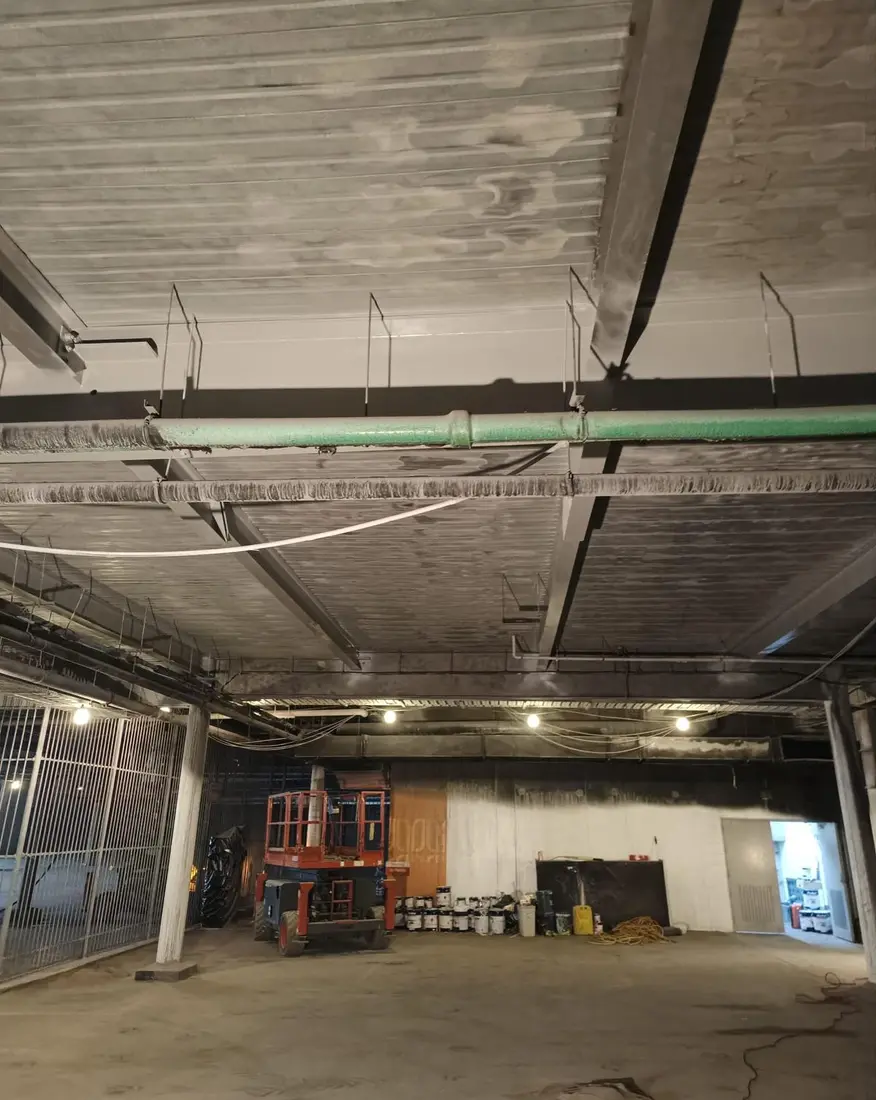
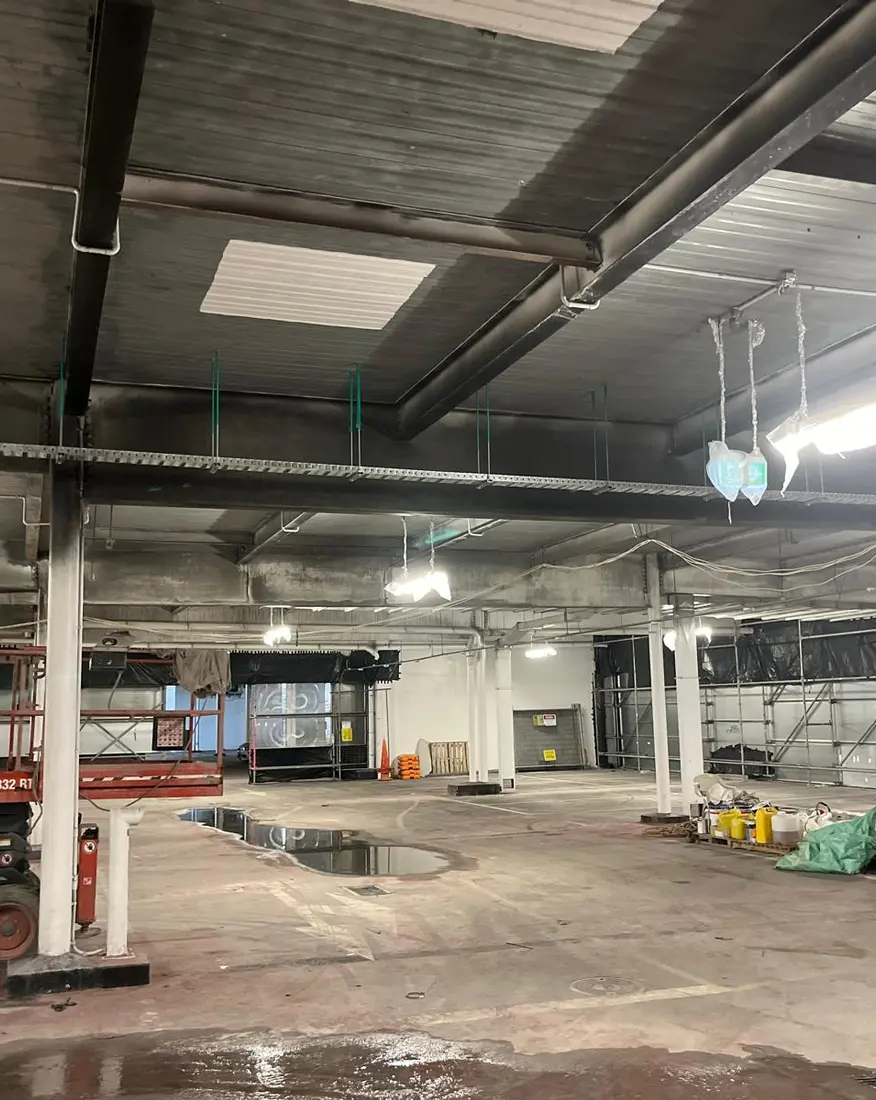
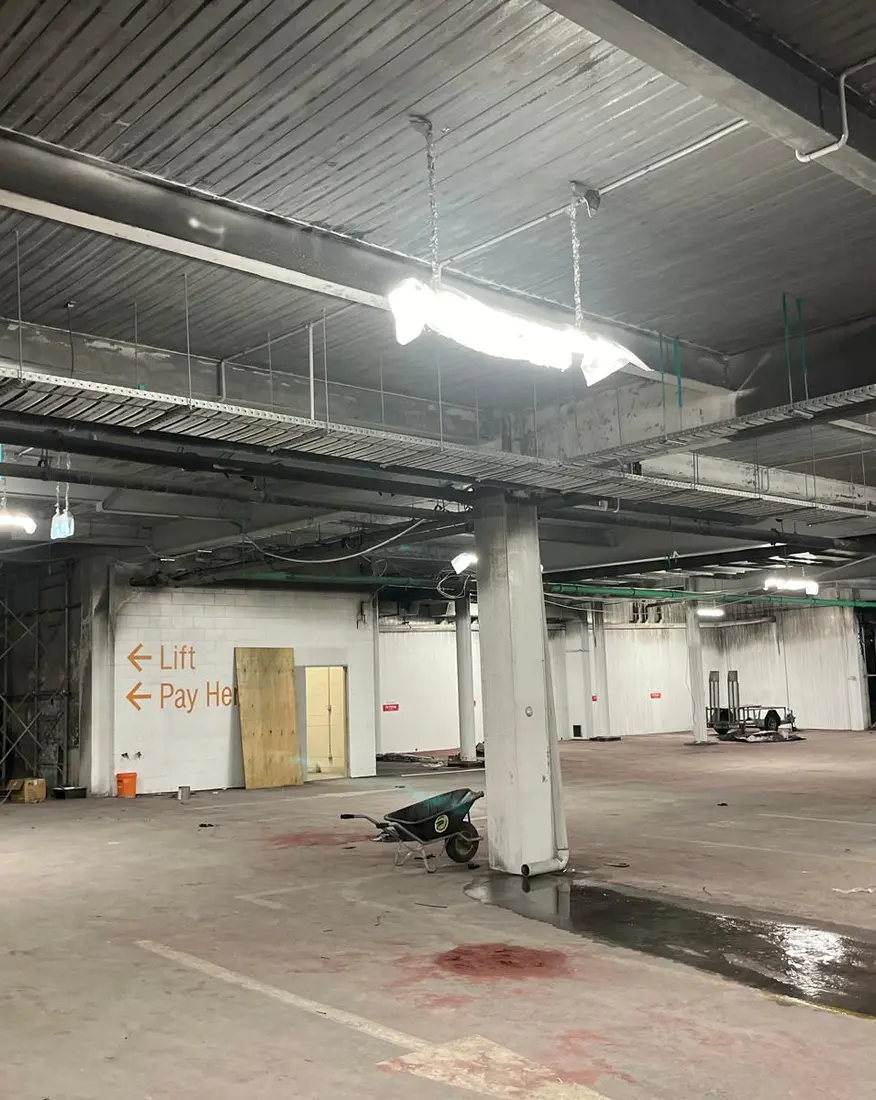
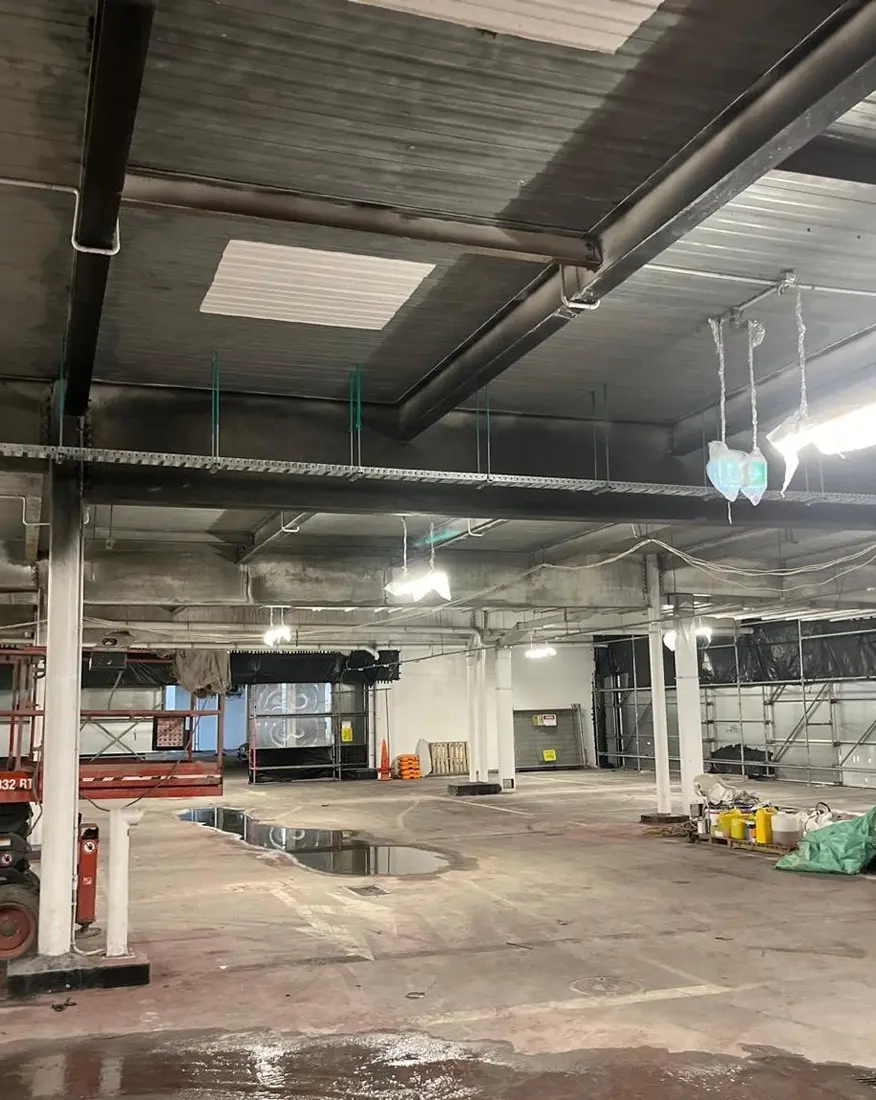
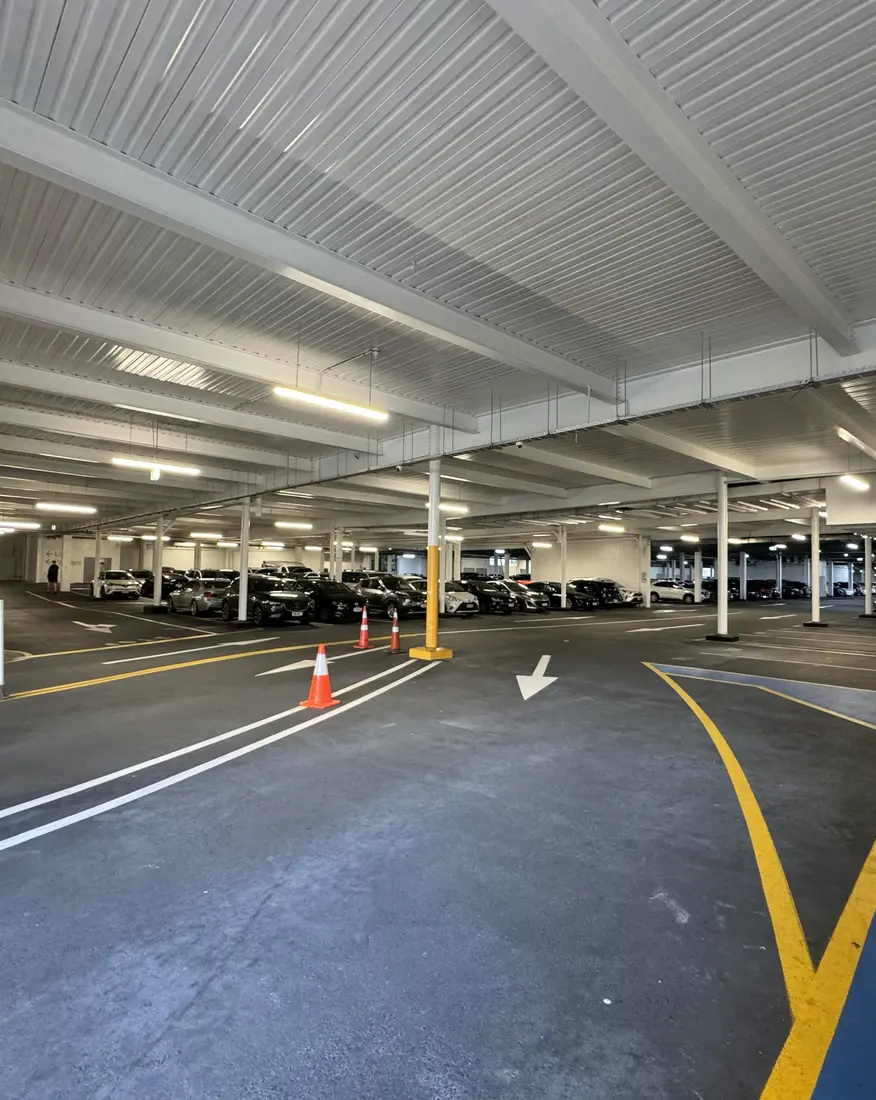
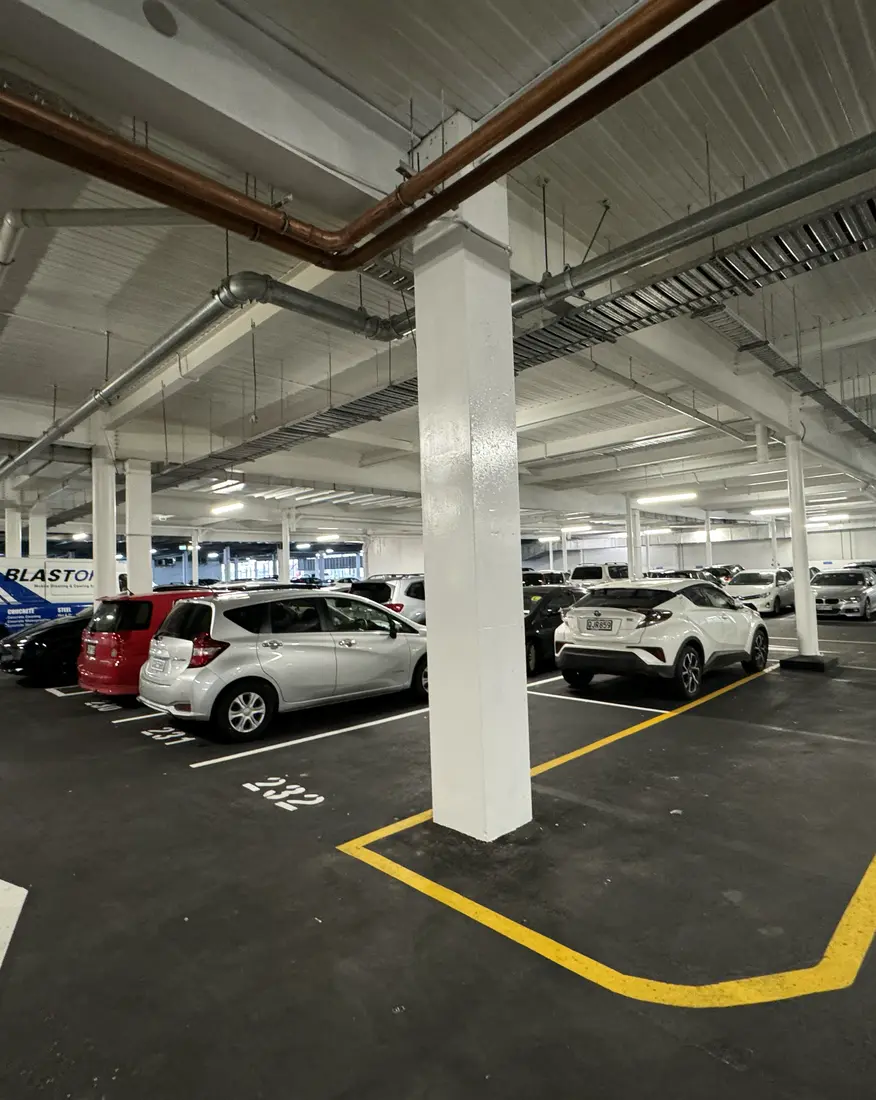
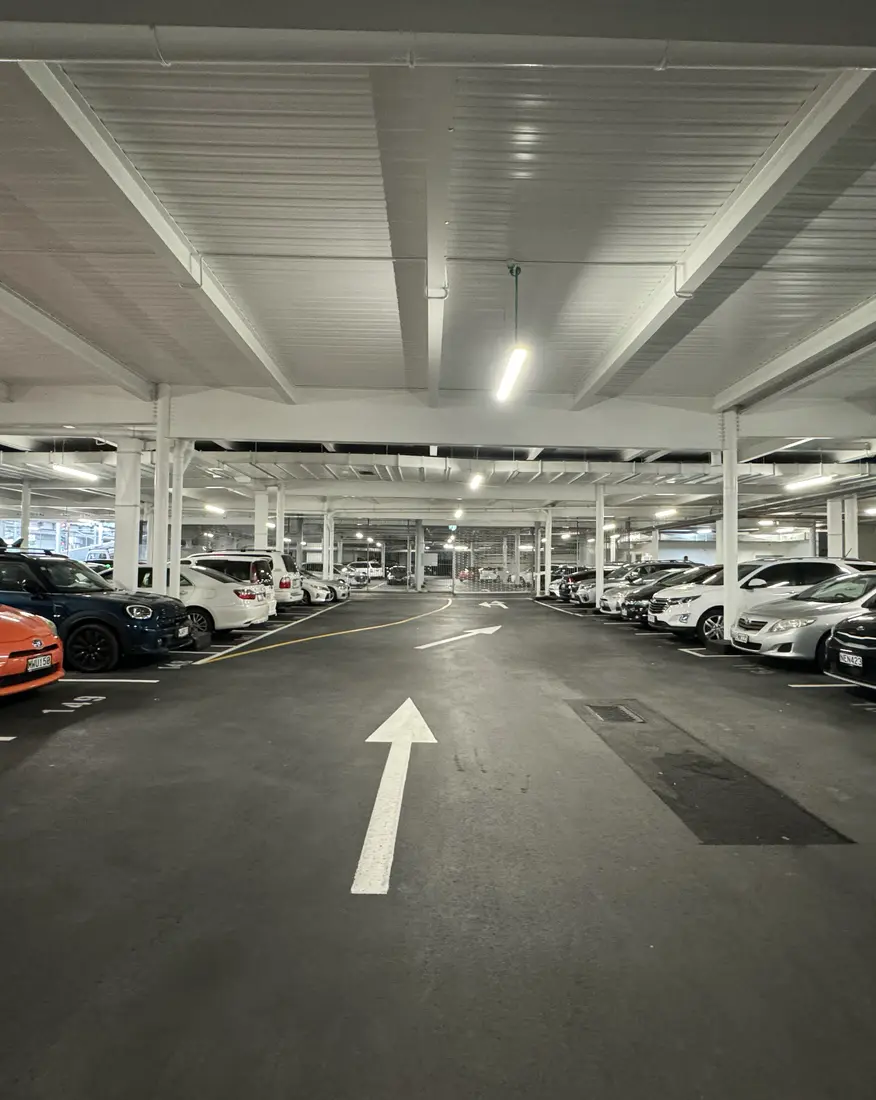
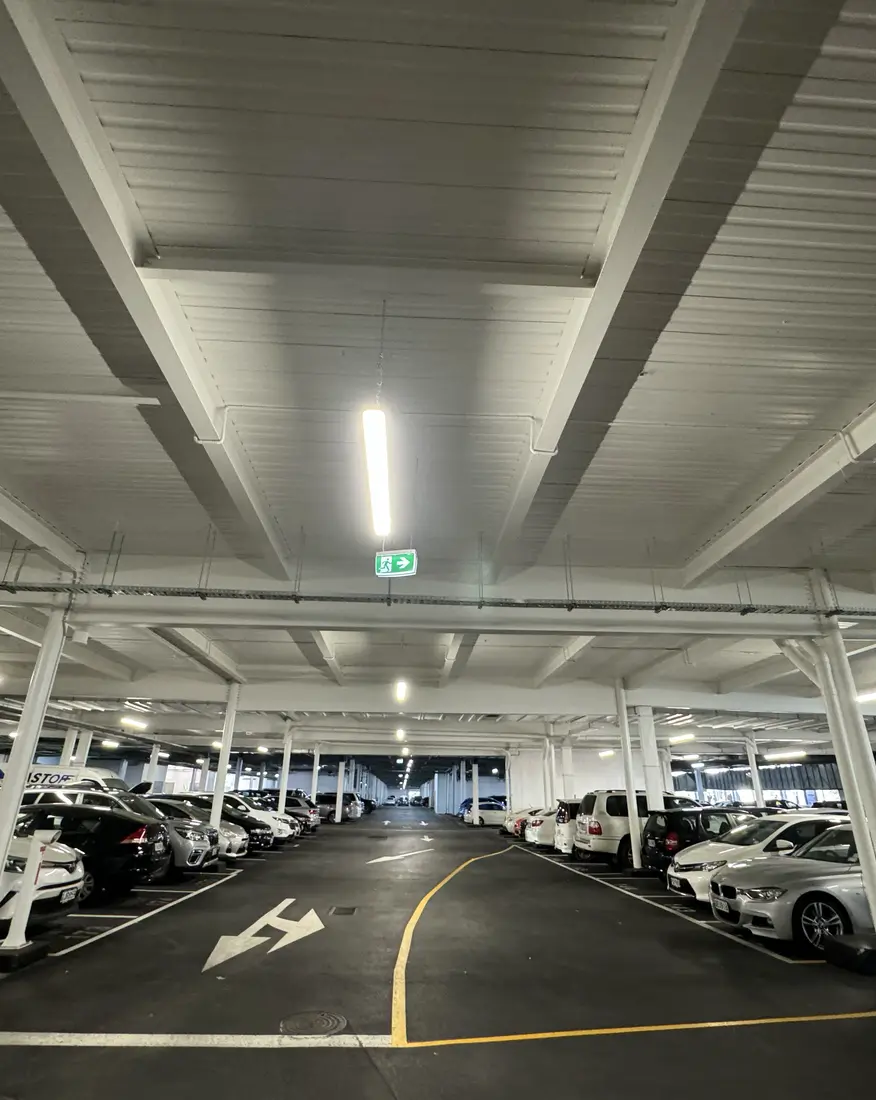
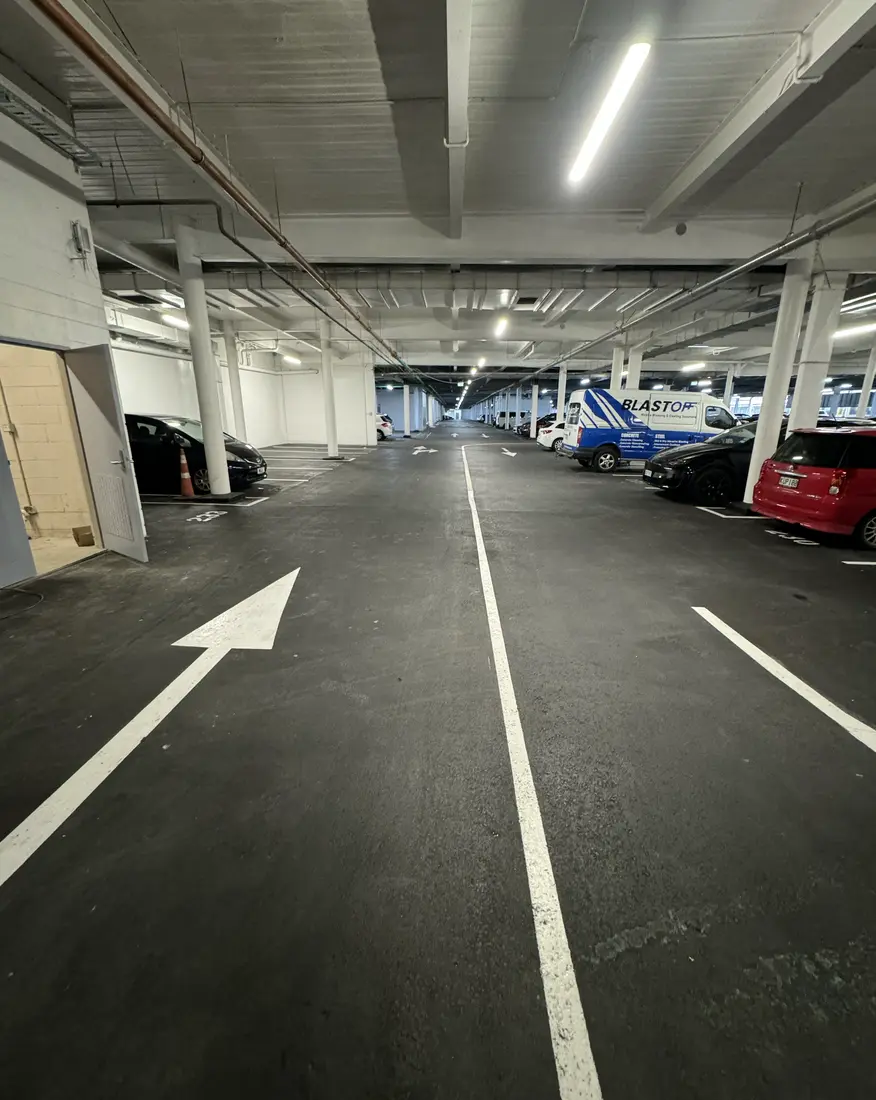
Fire had stripped and compromised the carpark’s existing intumescent coatings, reducing the fire resistance of the structural steel. Reopening the carpark meant more than reinstating a coating that looked right. The passive fire protection system itself needed to be rebuilt to the specified performance before the structure could be considered restored.
Our Approach
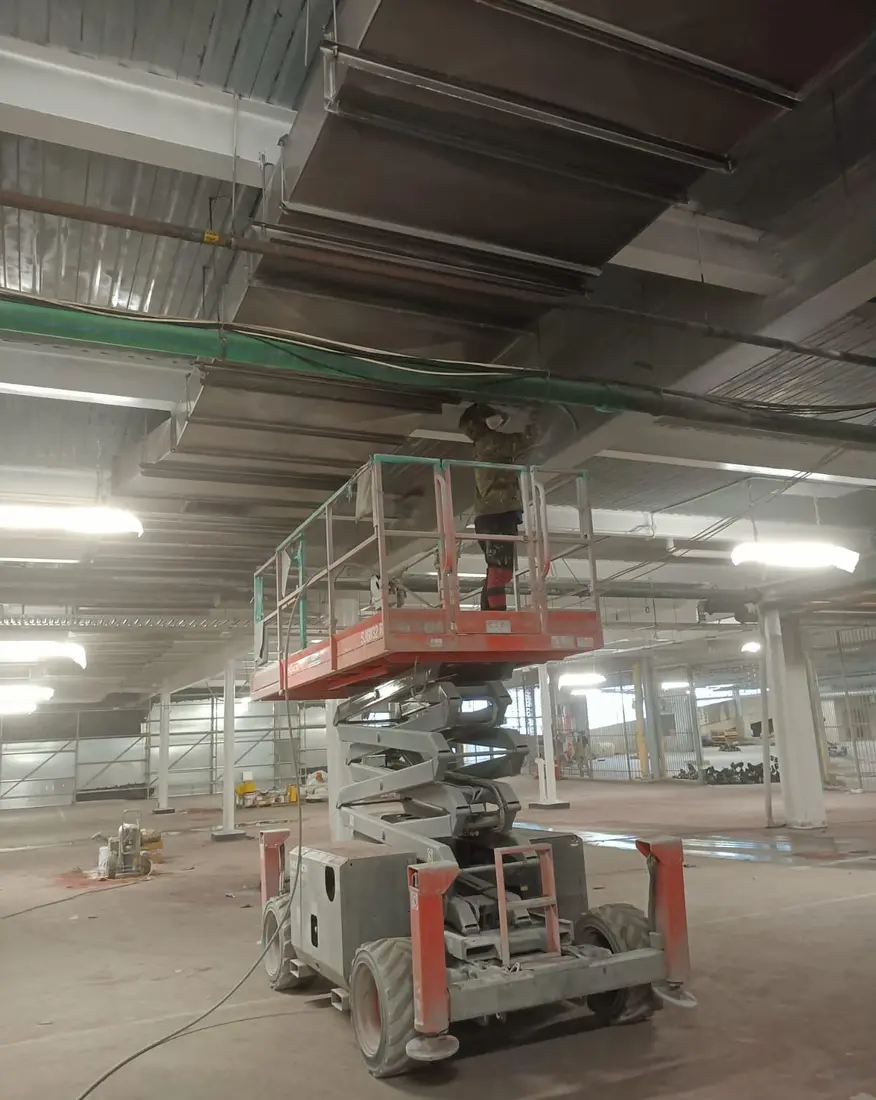
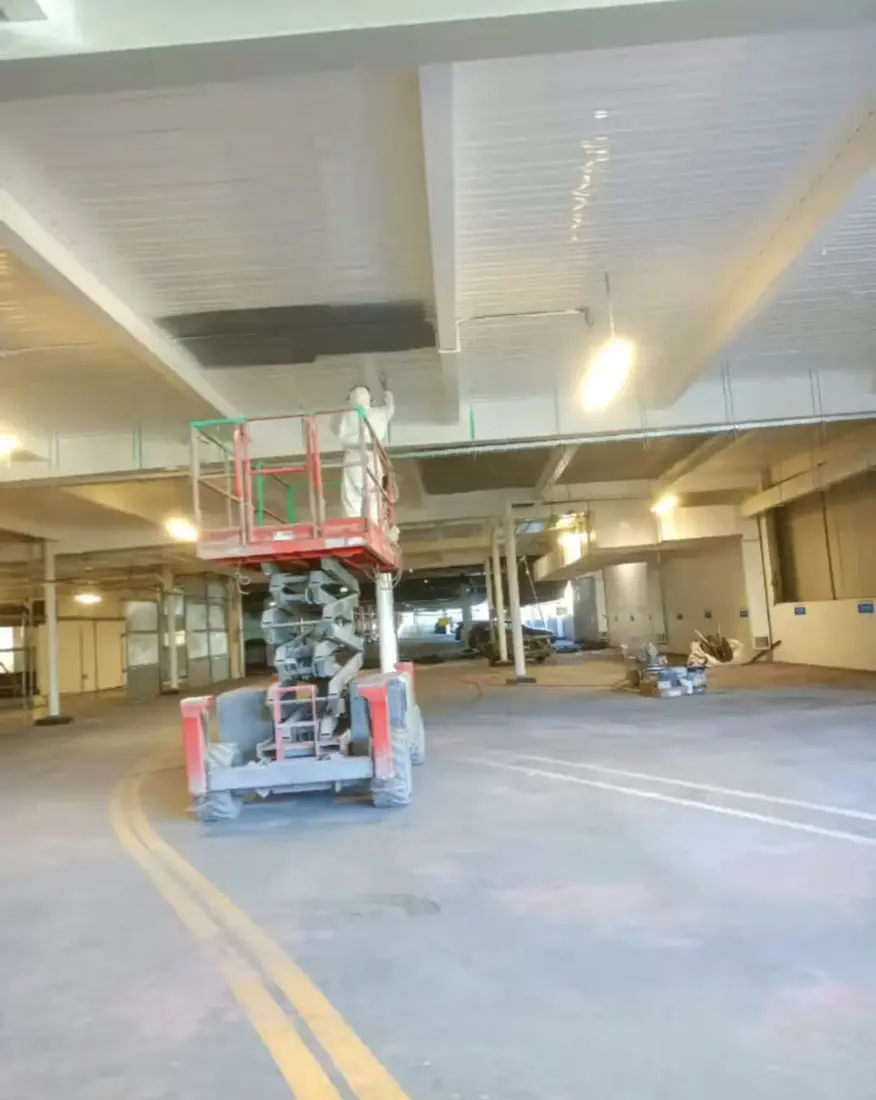
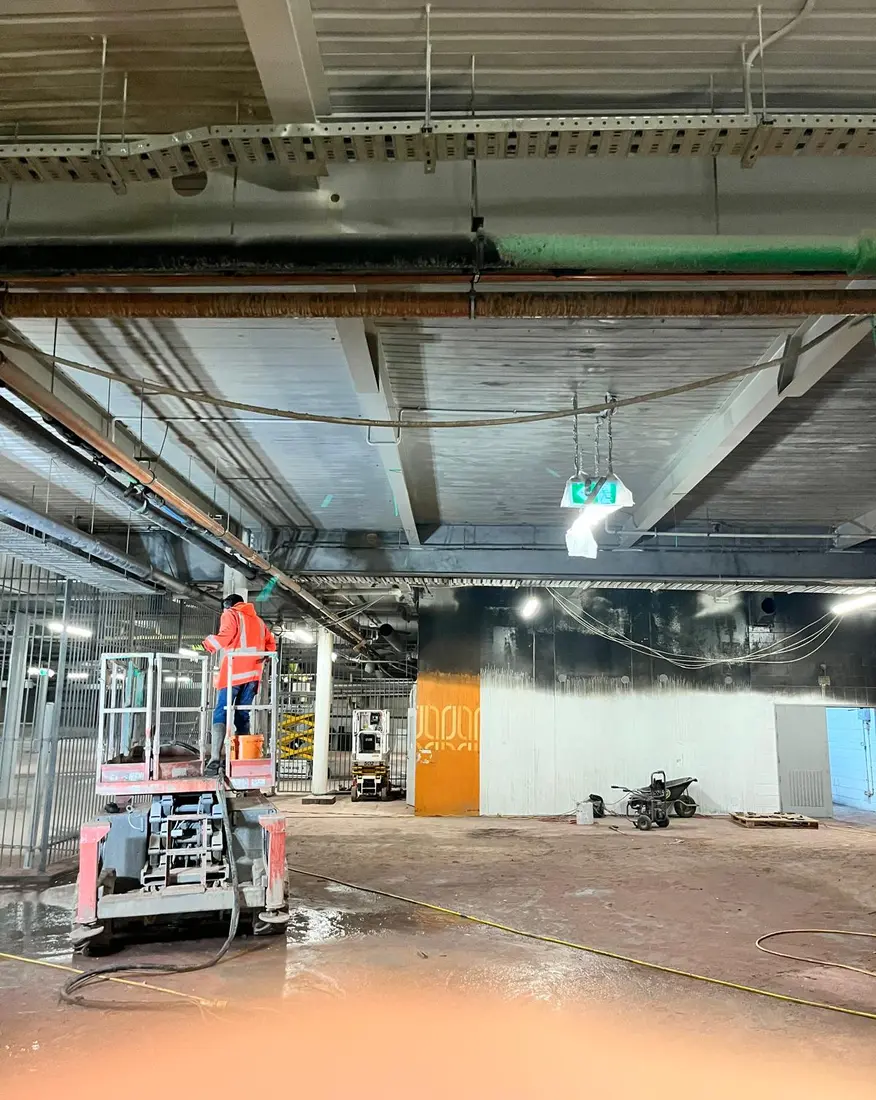
With the steel members and cable trays fully blast cleaned beforehand, BlastOff applied intumescent paint to the structural steel to rebuild the specified fire performance, checking applied thickness by DFT measurement as the coating went on. This intumescent work sat within the wider reinstatement, which also included protective topcoats, asphalt restoration and line marking, but the passive fire protection was treated as its own verified stage rather than an assumed outcome of the general repaint.
The Outcome
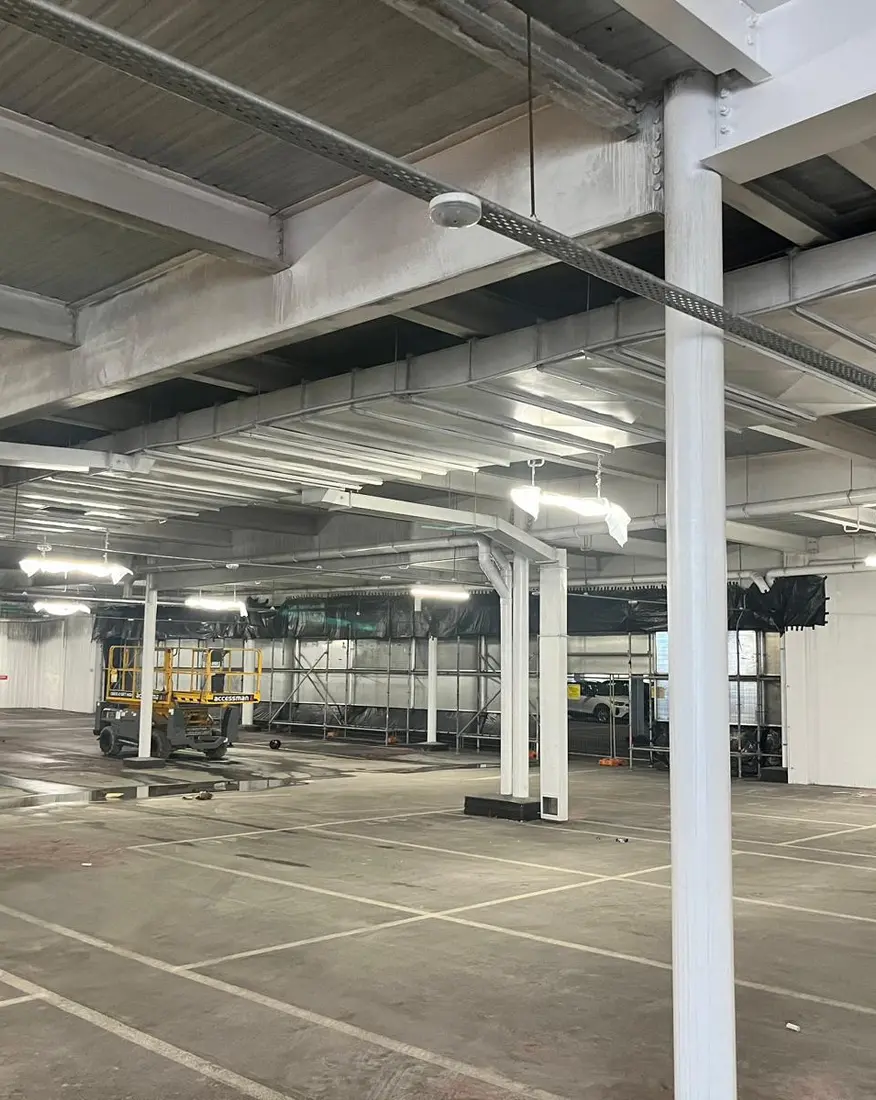
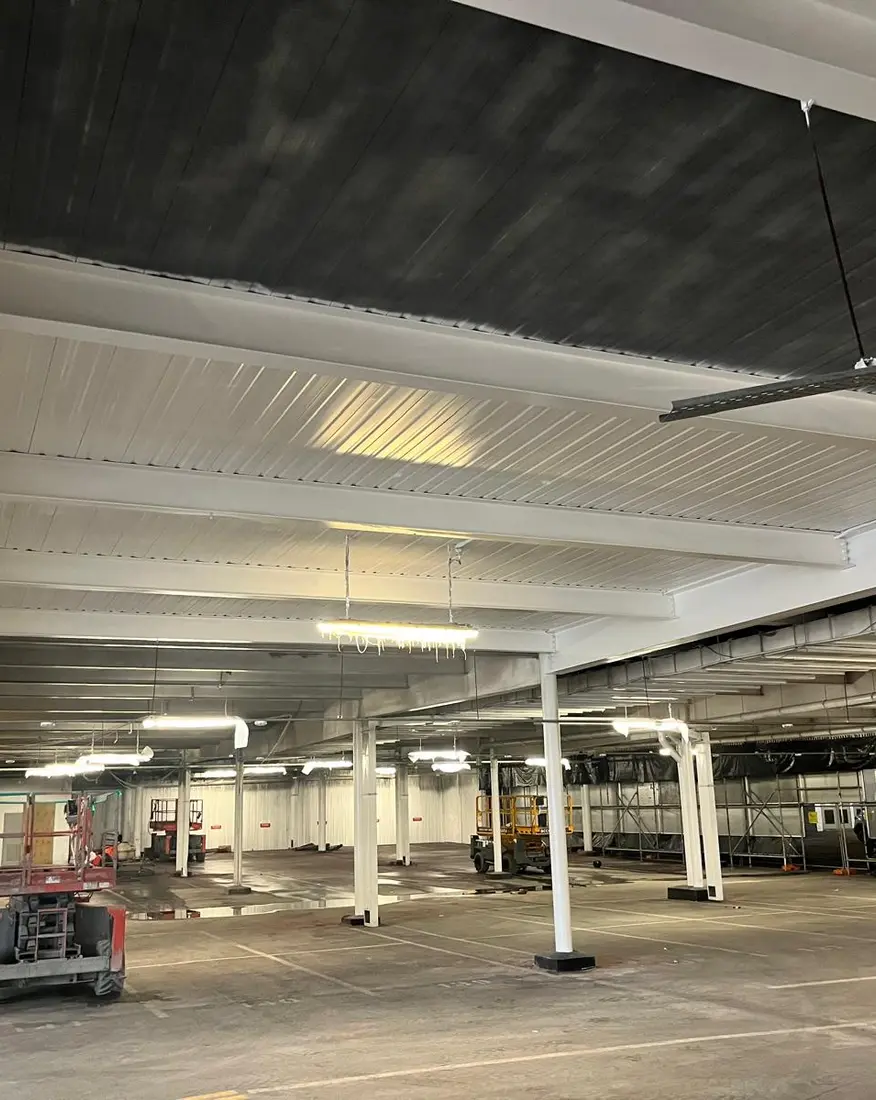
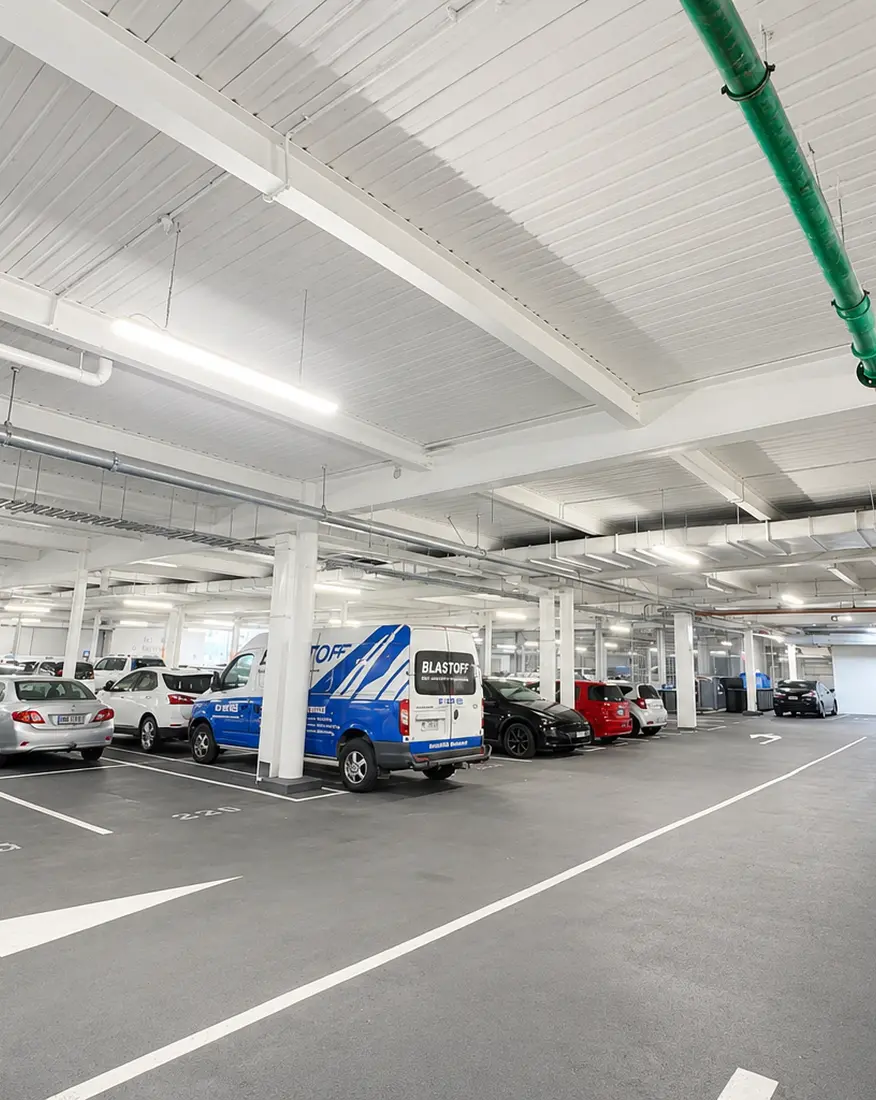
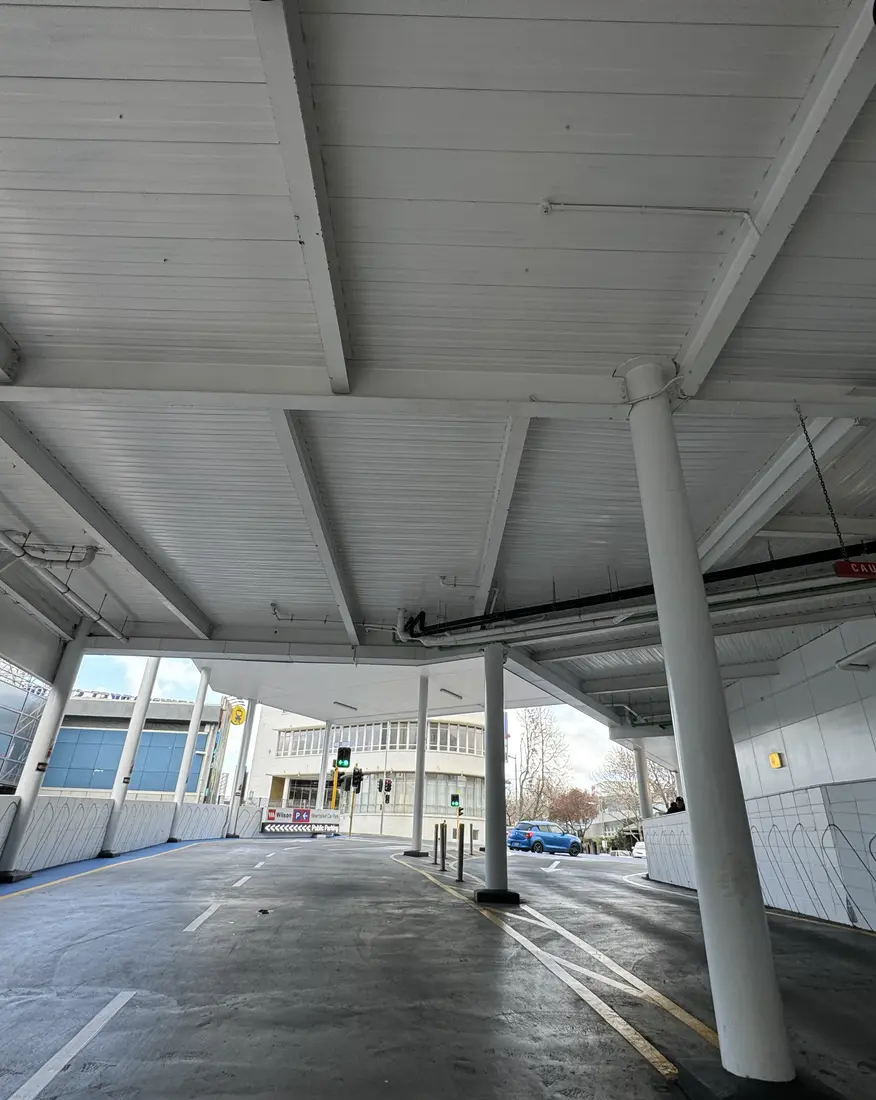
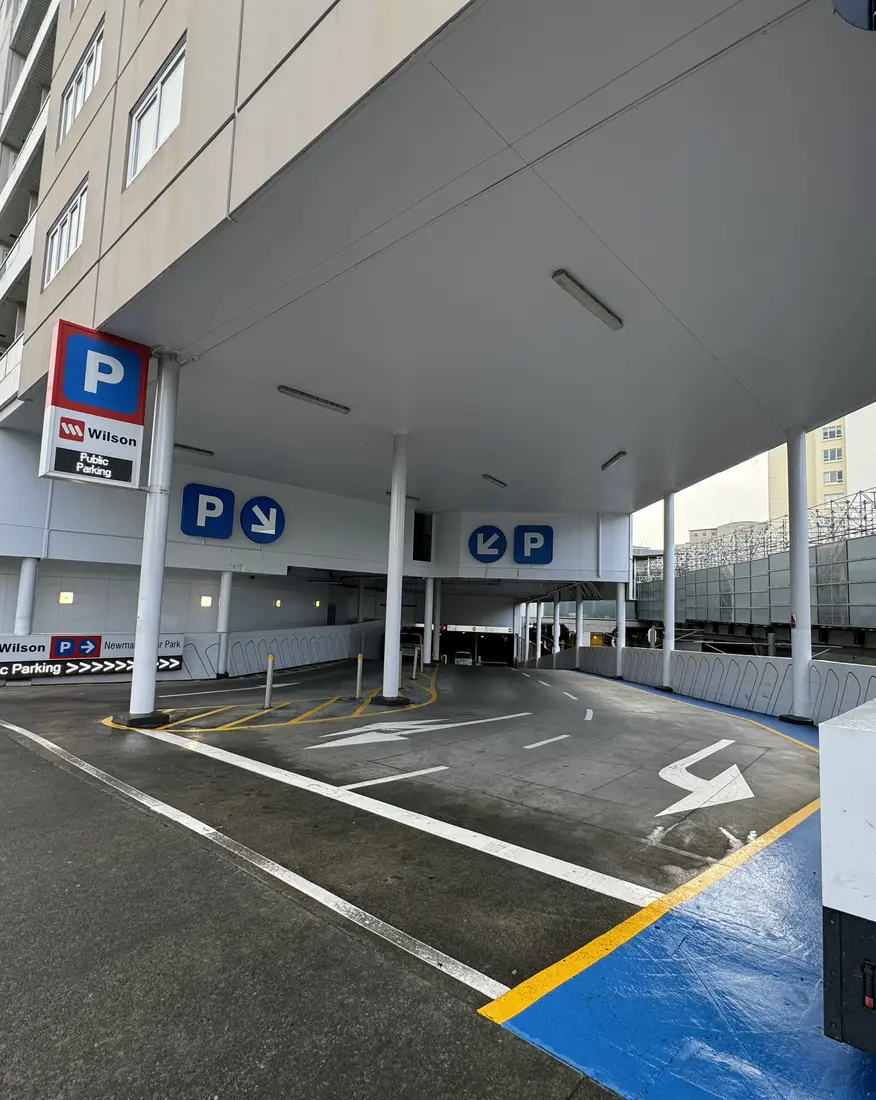
The carpark reopened with its passive fire protection genuinely restored, confirmed by DFT measurement rather than assumed from appearance. Where the previous intumescent system had been lost to fire damage, the structural steel now carries a fire protection coating verified to the specified thickness.
Verifying the Fire Rating: Reinstating Intumescent Protection at Wilson Carpark
Cleaning the soot off a fire-damaged carpark is one job. Rebuilding the passive fire protection that the fire destroyed is a different one entirely, and it was this second, more specialised task that defined the intumescent stage of the TPW Wilson Carpark reinstatement in Newmarket. Fire had stripped and compromised the carpark’s existing intumescent coatings, reducing the fire resistance of the structural steel, and reopening the carpark meant the steel needed to be brought back to its specified fire performance, not just given a coating that looked the part.
With the steel members and cable trays fully blast cleaned beforehand, BlastOff applied intumescent fire-proofing to the structural steel to rebuild that performance, checking the applied thickness by DFT measurement as the coating went on rather than assuming coverage from a visual check alone. This intumescent work sat within the wider reinstatement across the carpark, which also included protective topcoats, asphalt restoration and line marking, but it was treated as its own verified stage because passive fire protection carries a different level of accountability to a standard repaint. Where the existing system had been lost to fire damage, the structural steel now carries a fire protection coating confirmed to the specified thickness, which is what let the carpark reopen with its passive fire protection genuinely restored rather than presumed.
For owners of carparks, rail infrastructure or commercial buildings where fire has damaged existing intumescent systems, the priority should be confirming the fire engineer’s specification and required coating build before work starts, and insisting on measured verification such as DFT readings rather than relying on appearance to judge whether the system has been properly reinstated. A carpark or building that looks freshly painted can still be carrying an under-thickness intumescent system underneath, which is exactly the gap that documented DFT checks are there to close.
Testimonials
Project Images
Clients value our reliability, communication, and the quality of our work.
Posted on GoogleTrustindex verifies that the original source of the review is Google. Damian came promptly, explained the process clearly and gave us a quote. The work was done professionally and Damian was available and easily contactable throughout. His team were great to deal with and completed the internal waterproofing of our garage and rumpus room. We were very happy with the result. N BrightPosted on GoogleTrustindex verifies that the original source of the review is Google. Awesome work by Blastoff Solutions. Damien was a pleasure to deal with. Got back promptly to any queries and questions. Offering both a cost effective and practical solution to our needs. Work carried out to a high standard. Highly recommend.Posted on GoogleTrustindex verifies that the original source of the review is Google. Damian is a good communicator and the job was done to a good standard by his team. Thank you.Posted on GoogleTrustindex verifies that the original source of the review is Google. Our rental property is concrete block unit and we had leakage from one of the wall of lounge. Danial of this company visited and and gave satisfying answers to my questions and after accepting the quote the work was done to my satisfaction.Posted on GoogleTrustindex verifies that the original source of the review is Google. Good communication and did a great job. Estimated cost was very accurate.Posted on GoogleTrustindex verifies that the original source of the review is Google. Coming to the rescue, getting the job done in time! With amazing results! Very impressed, thank youPosted on GoogleTrustindex verifies that the original source of the review is Google. My deck looks like new again, thanks to Blastoff Washing team!Verified by TrustindexTrustindex verified badge is the Universal Symbol of Trust. Only the greatest companies can get the verified badge who has a review score above 4.5, based on customer reviews over the past 12 months. Read more
Ready to get started?
Planning crane or port maintenance? Talk to BlastOff.