Freeland Reserve
Concrete Etching and Stencilling, Kingsland
LOCATION
SERVICE
The Challenge
The brief was to turn plain concrete at the reserve into a designed surface without adding a coating that the council would need to inspect and maintain over time. That meant the pattern had to be formed in the concrete itself, which placed the emphasis on accurate set-out and controlled blasting depth rather than paint selection or coating application.
Our Approach
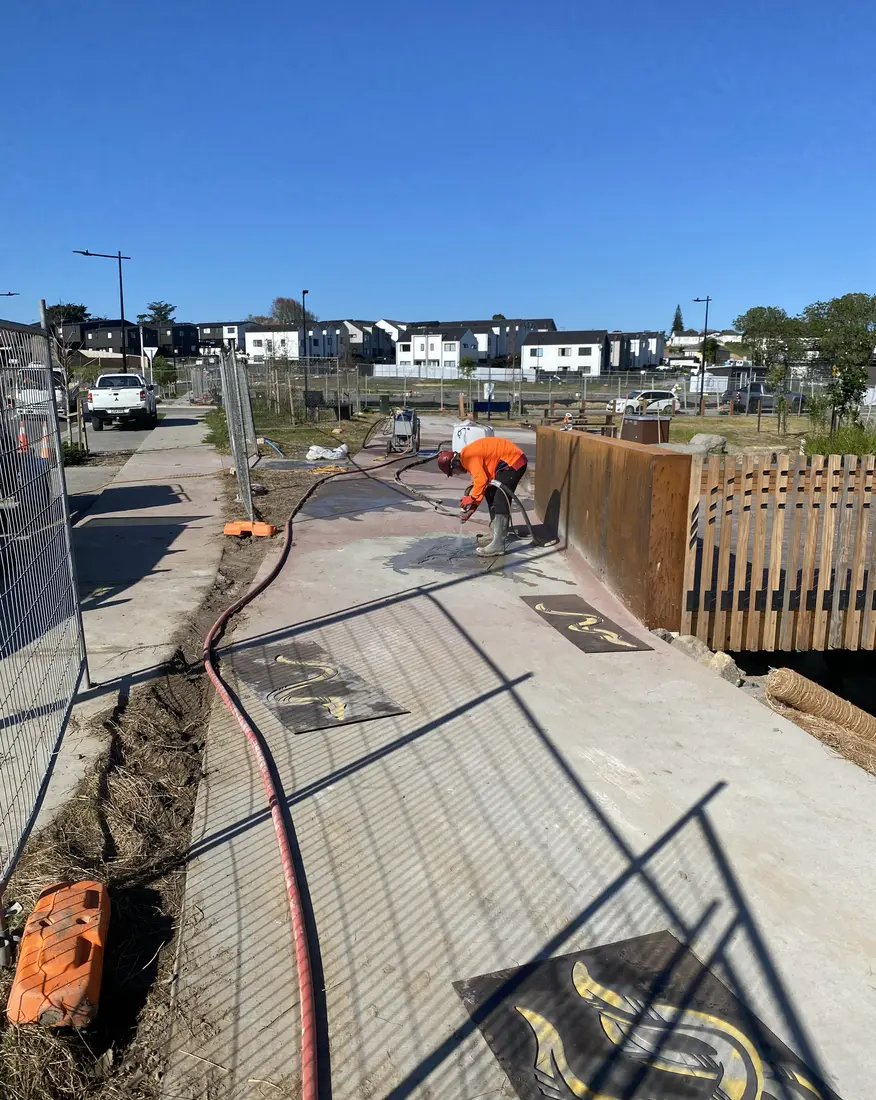
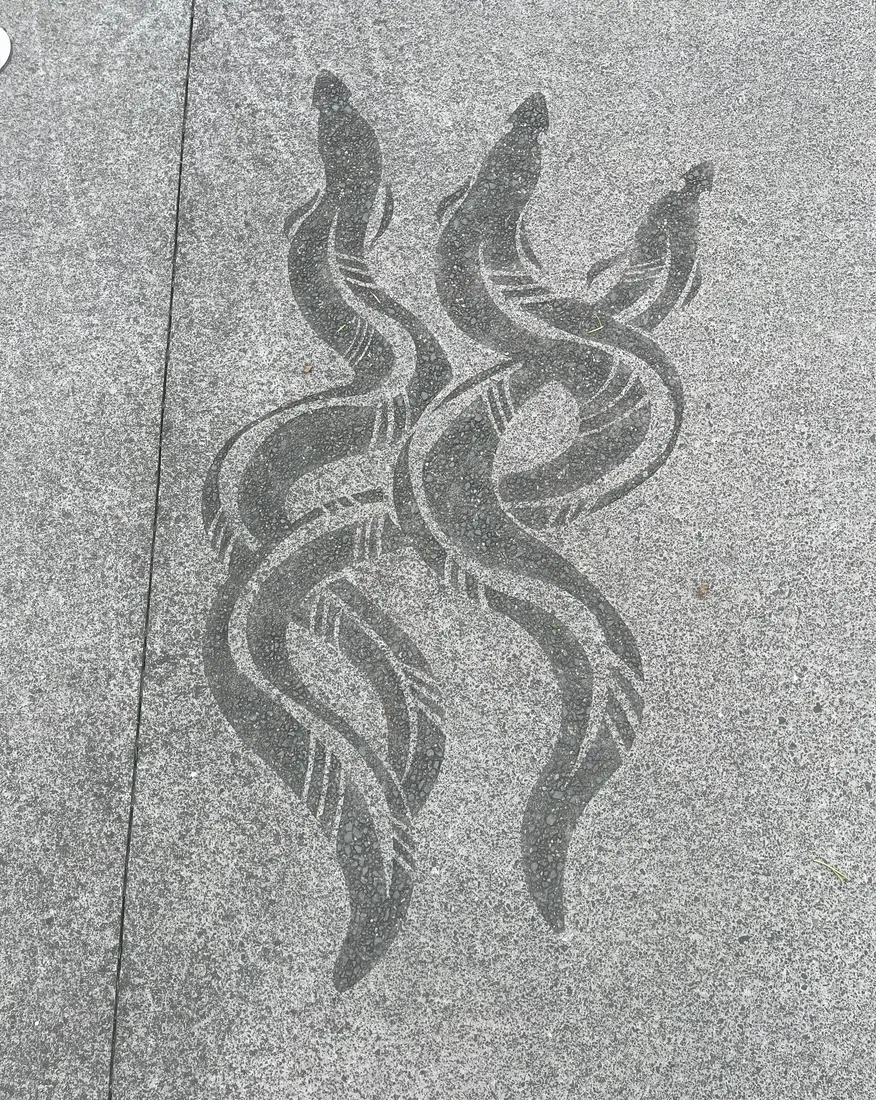
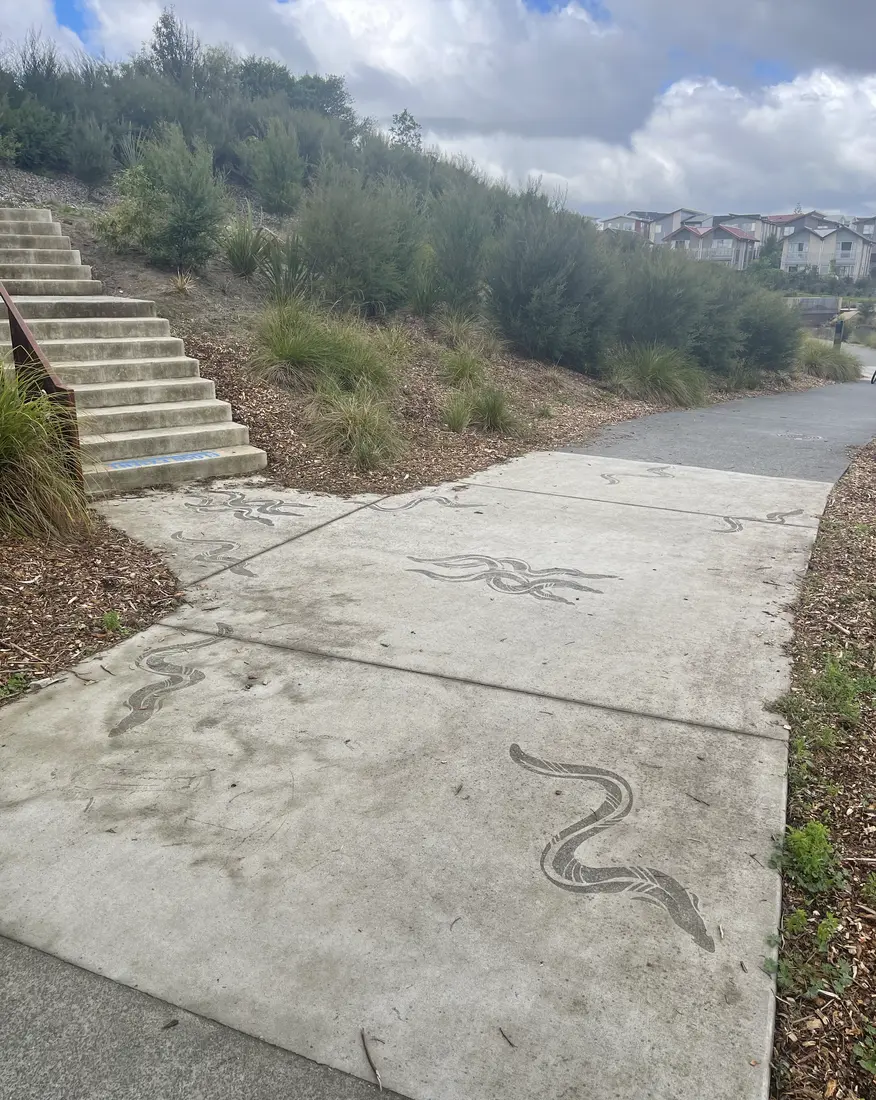
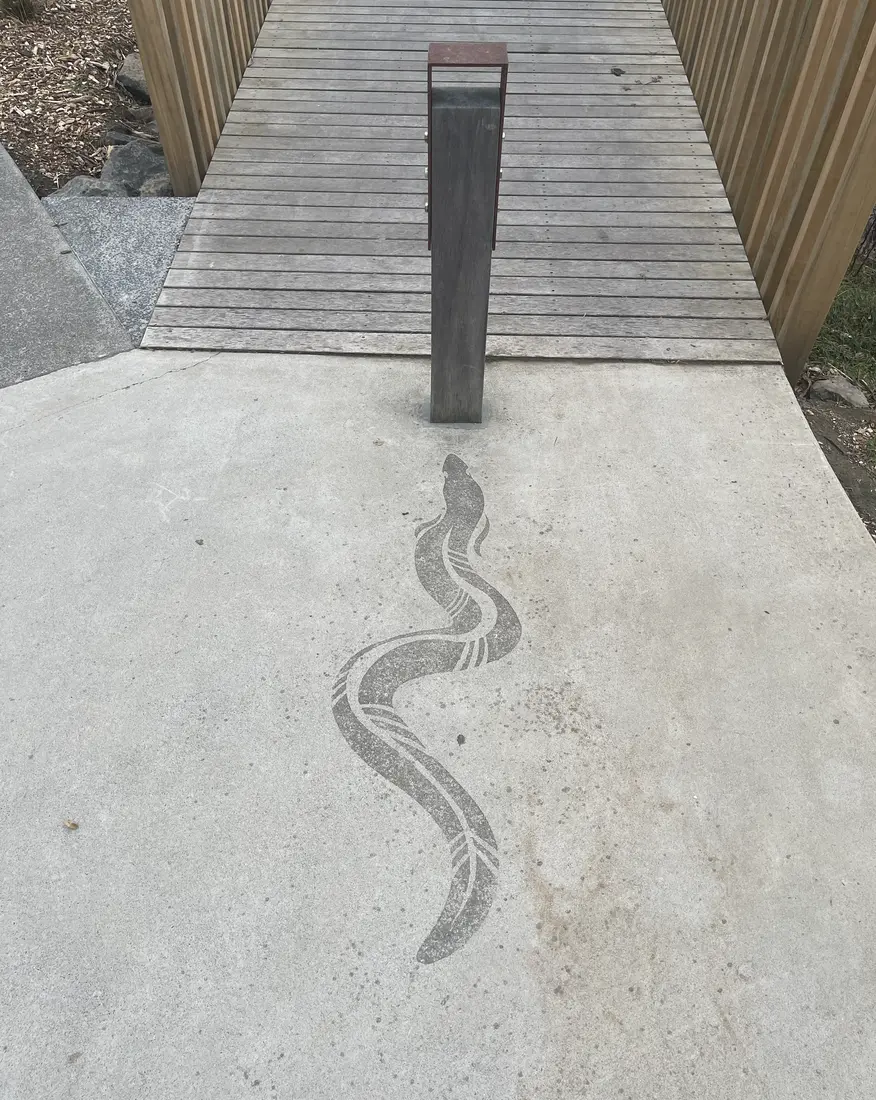
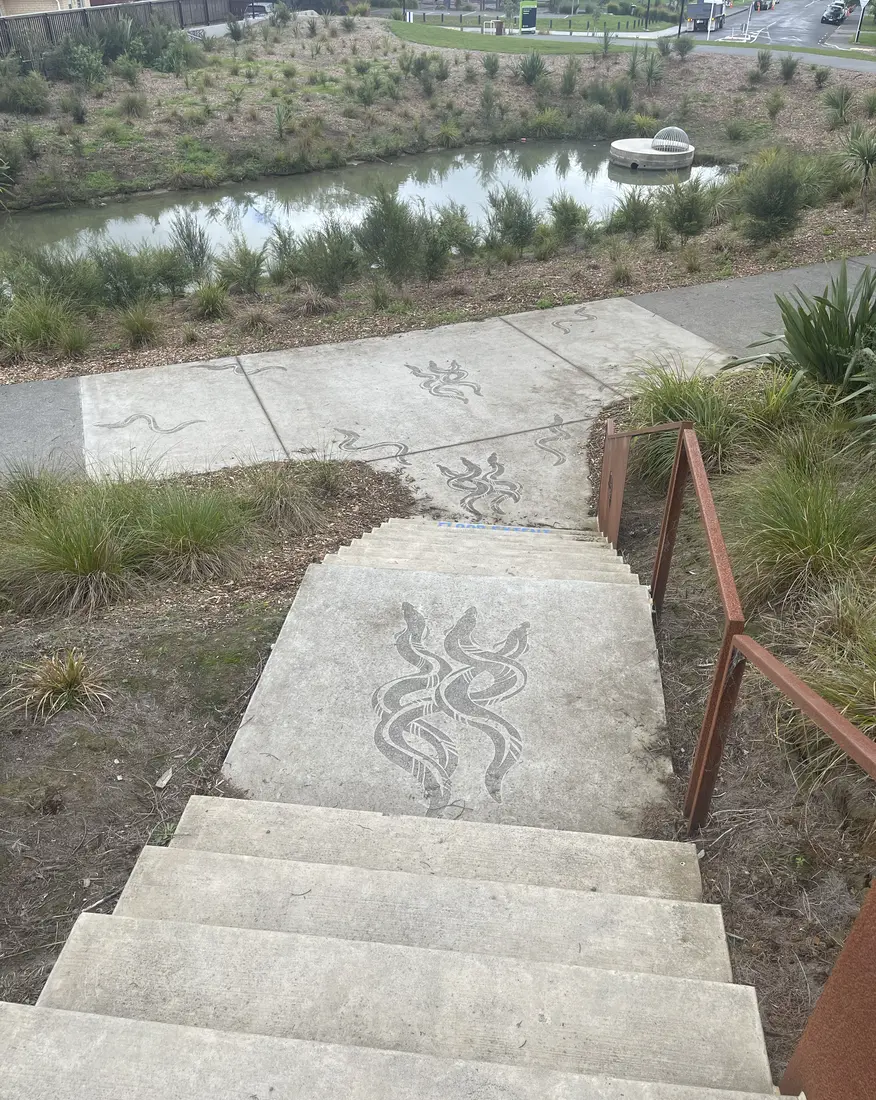
BlastOff translated the architect’s drawings into cut masks before sandblasting the pattern into the concrete to a uniform depth across the reserve. Working to a consistent depth kept the contrast even across the full design, so the pattern reads clearly and is visible from a distance. The masking protected the surrounding concrete, keeping the treated pattern contained to the areas the drawings specified.
The Outcome
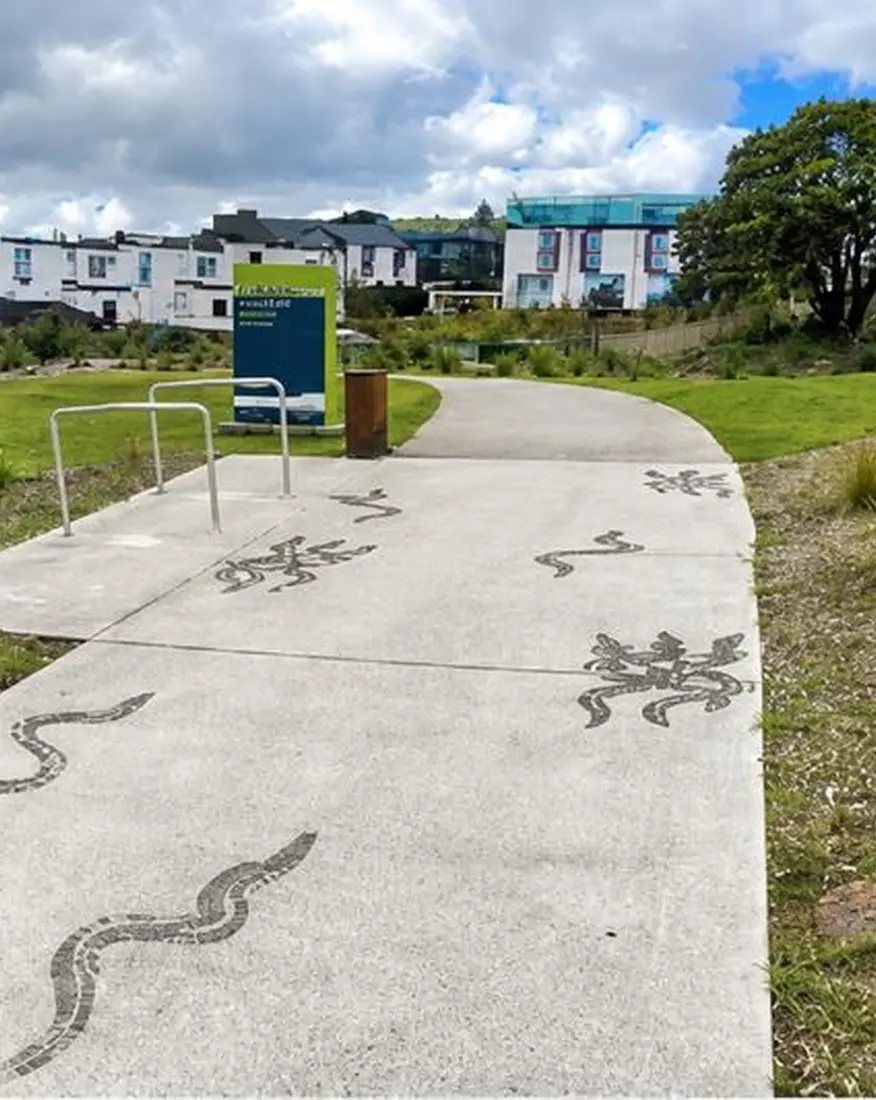
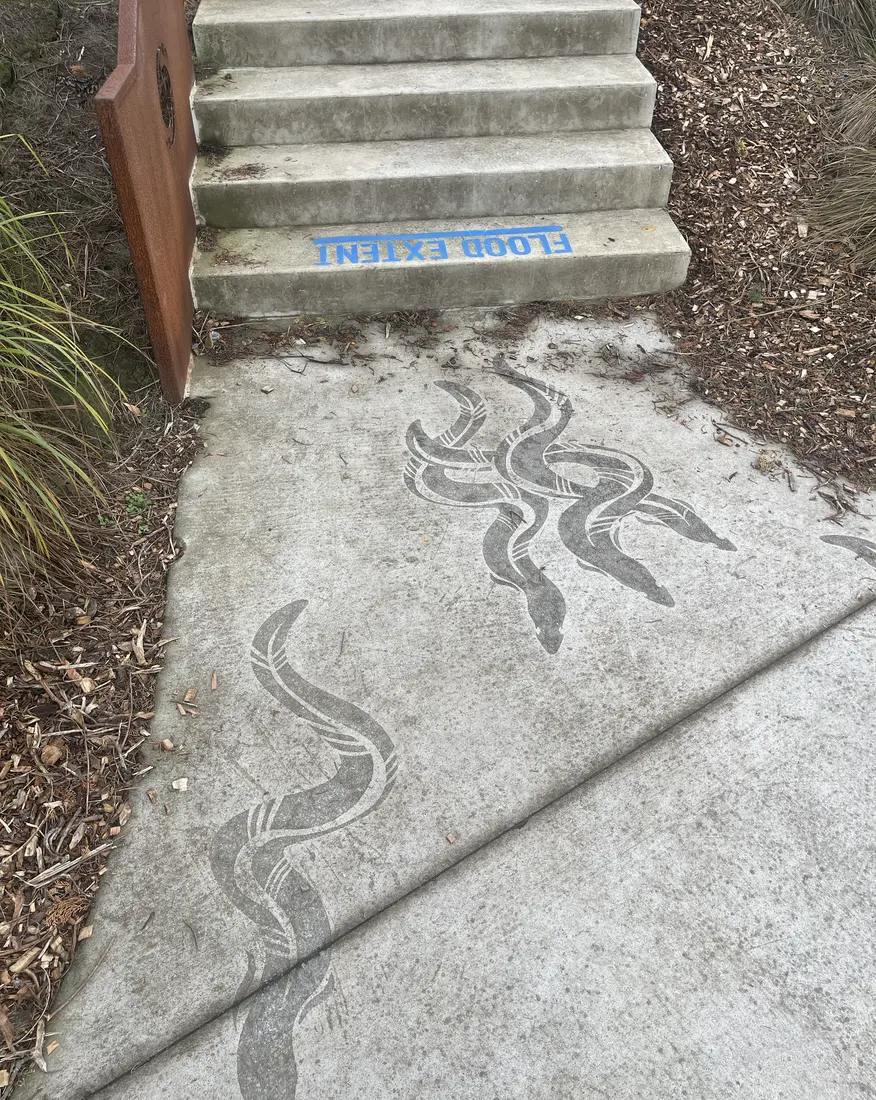
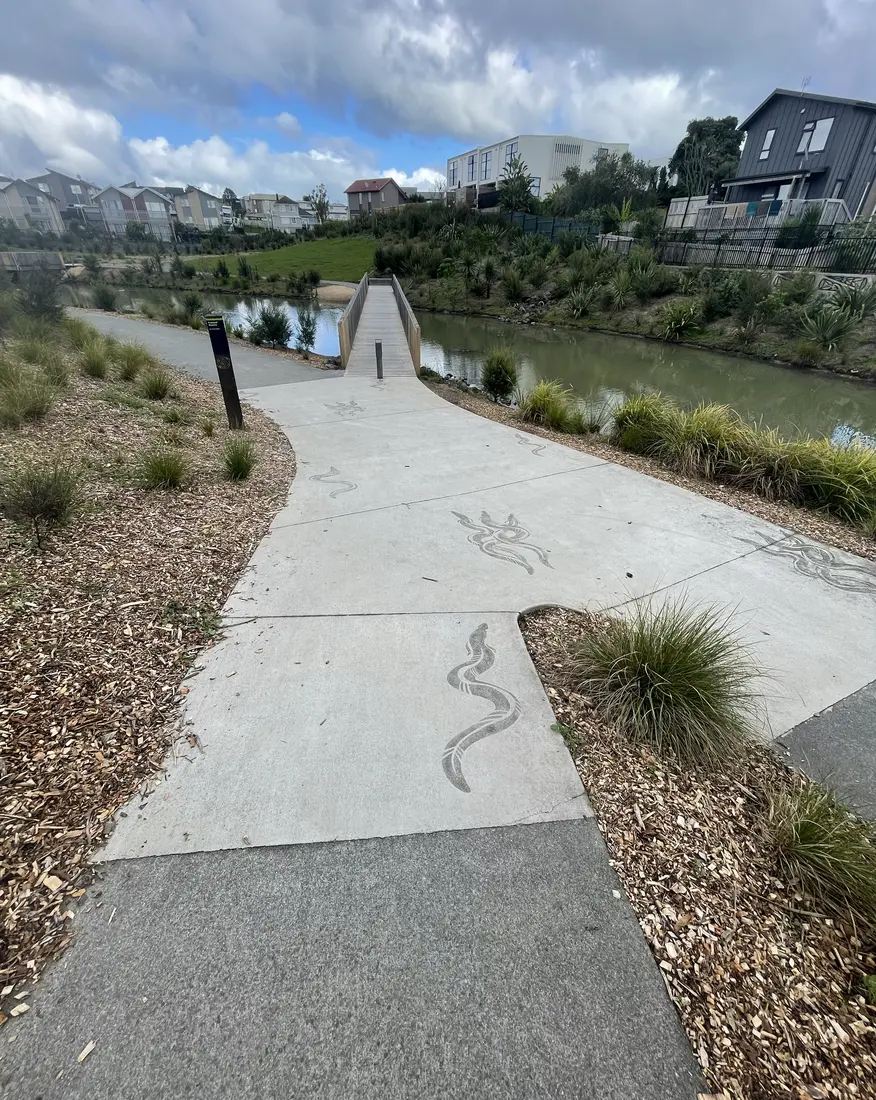
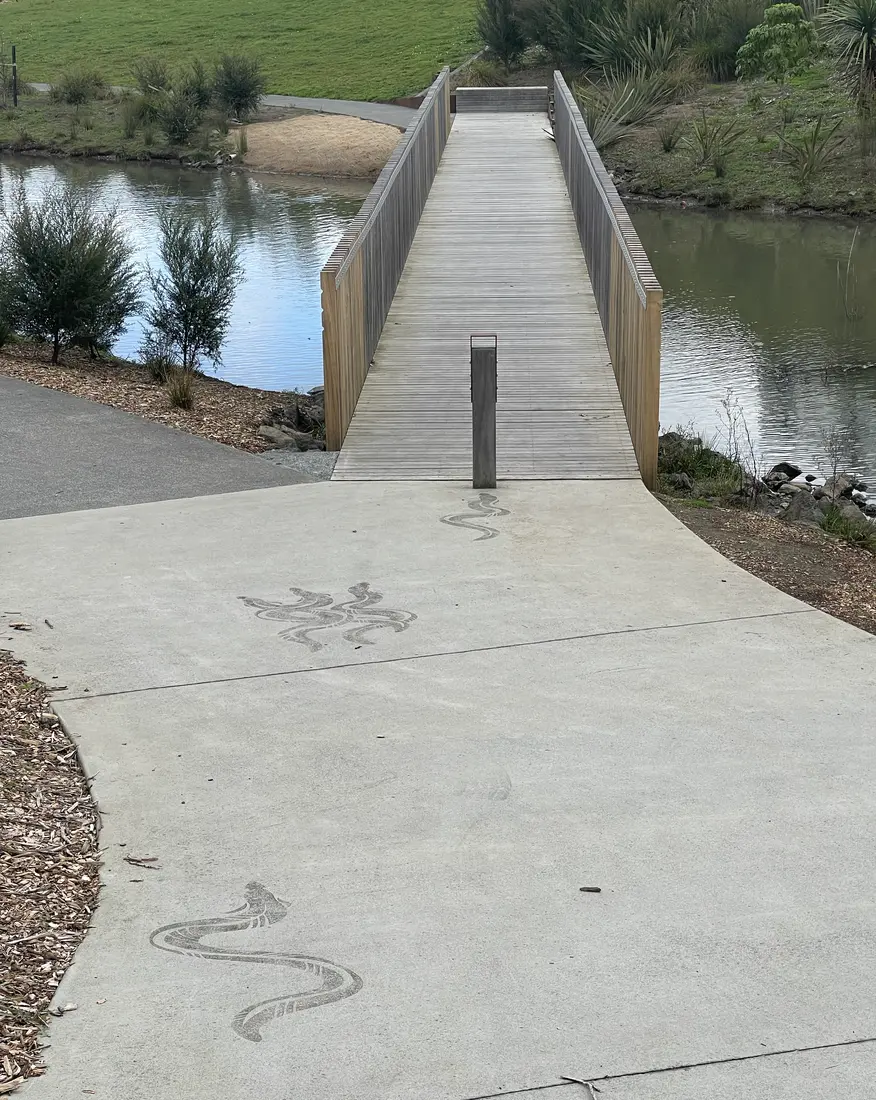
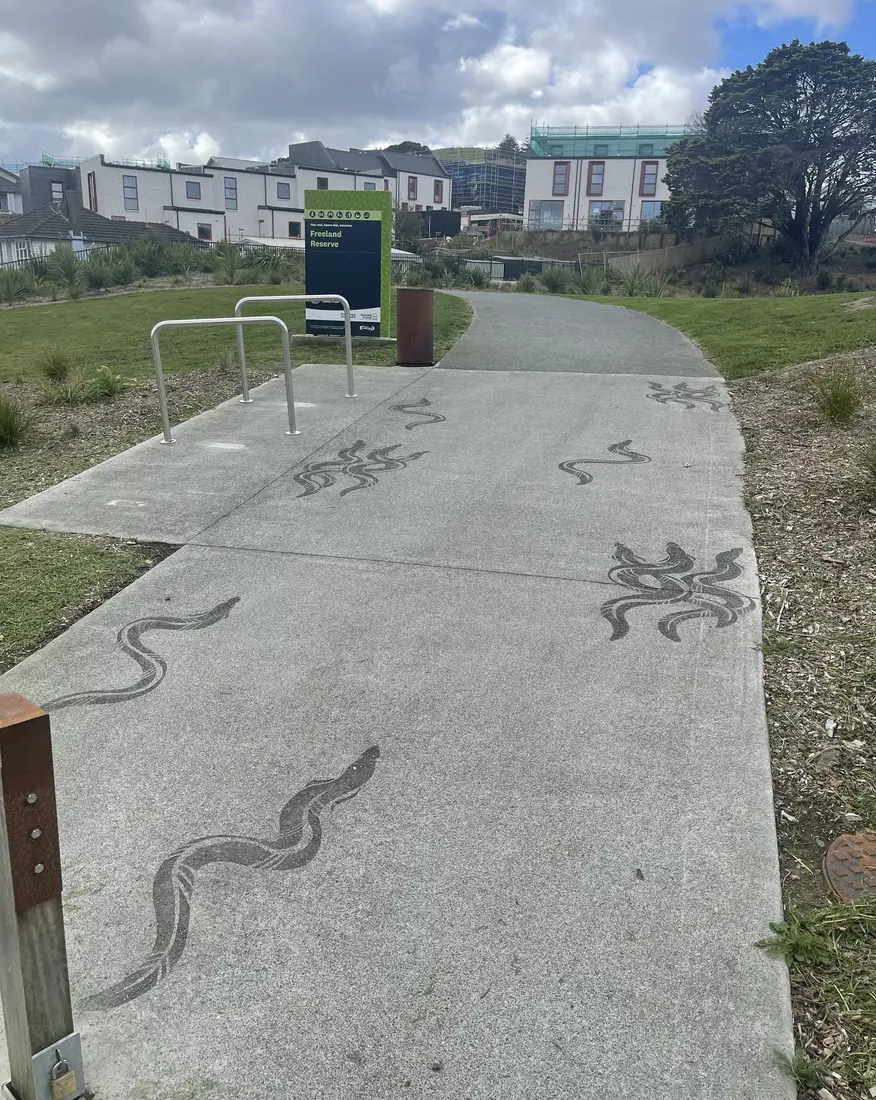
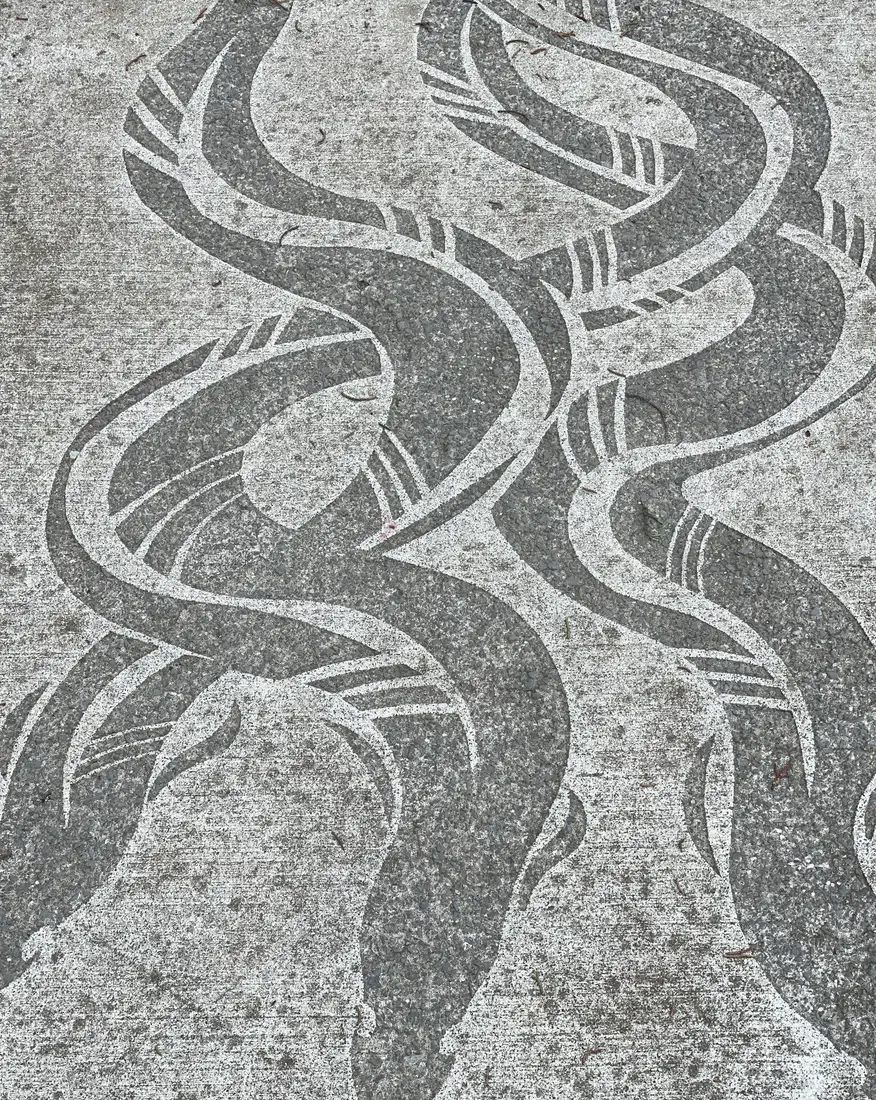
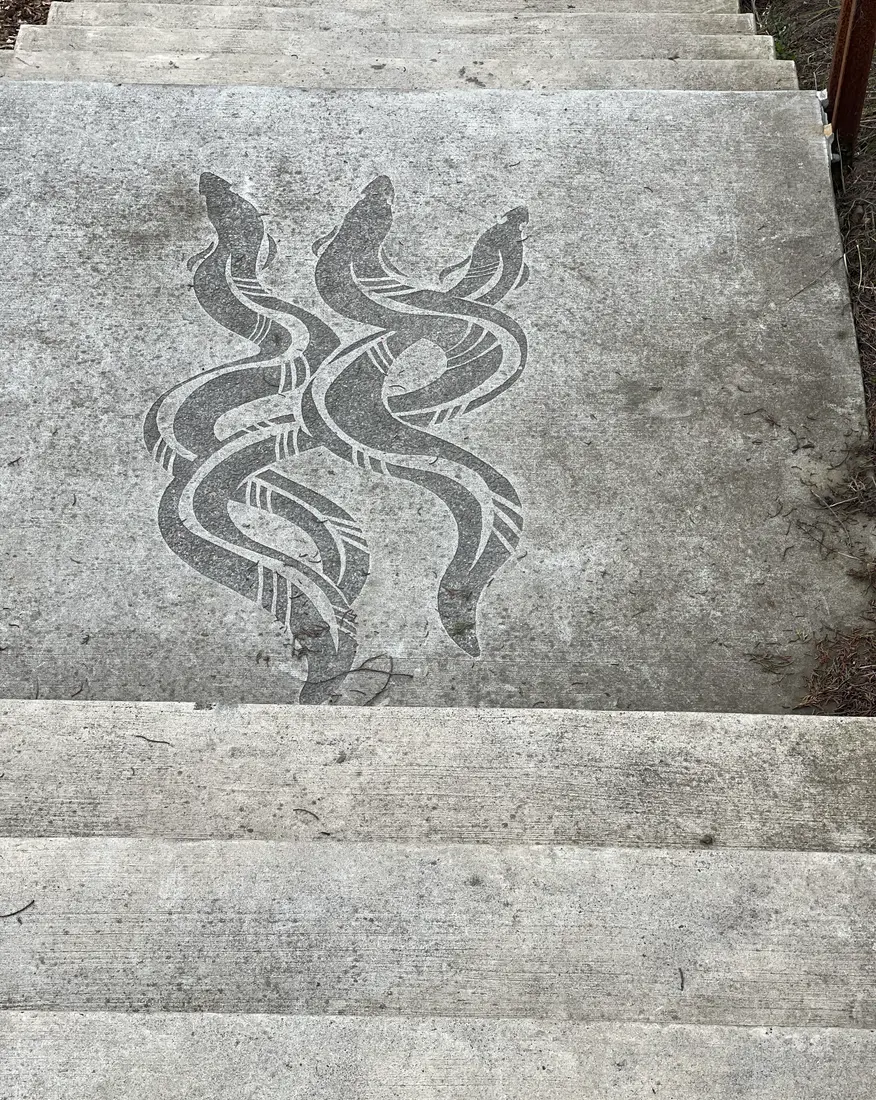
Freeland Reserve received a permanent concrete finish with the architect’s pattern sandblasted directly into the surface. Because the detailing is part of the concrete rather than a separate coating, it requires no additional maintenance beyond the concrete itself, giving the reserve a durable piece of designed public realm surfacing.
Turning Plain Reserve Concrete Into Permanent Public Art at Freeland Reserve
The brief at Freeland Reserve in Kingsland, Auckland was straightforward in principle but harder to deliver well in practice: turn a plain expanse of concrete into a designed public realm surface without introducing a coating that the council would then need to inspect and maintain indefinitely. For By Design Concrete & Paving, that meant the architect’s pattern had to be formed within the concrete itself rather than painted on top of it, shifting the emphasis onto accurate set-out and controlled blasting depth rather than product selection.
BlastOff delivered the work using concrete stencilling, translating the architect’s drawings into cut masks before sandblasting the pattern into the concrete to a uniform depth across the reserve. Keeping that depth consistent kept the contrast even across the full design, so the finished pattern reads clearly and is visible from a distance rather than fading into the surrounding paving, while the masking kept the treated pattern contained to exactly the areas the drawings specified.
Because the detailing is now part of the concrete rather than a separate applied coating, Freeland Reserve requires no additional maintenance regime beyond the concrete itself.
For councils, landscape teams and reserve managers weighing up similar public art or wayfinding treatments, the practical takeaway is that stencilling avoids the long-term maintenance liability of painted graphics in exposed outdoor settings. A sound scoping conversation should cover the scale and detail of the design, the existing concrete’s condition, and how blast depth will be held consistent across large or irregular areas so the finished result matches the drawings without visible variation. Because the finish becomes permanent once the concrete is blasted, it is worth confirming the design and set-out with all stakeholders before masking begins rather than adjusting expectations partway through the work.
Testimonials
Project Images
Clients value our reliability, communication, and the quality of our work.
Posted on GoogleTrustindex verifies that the original source of the review is Google. Damian came promptly, explained the process clearly and gave us a quote. The work was done professionally and Damian was available and easily contactable throughout. His team were great to deal with and completed the internal waterproofing of our garage and rumpus room. We were very happy with the result. N BrightPosted on GoogleTrustindex verifies that the original source of the review is Google. Awesome work by Blastoff Solutions. Damien was a pleasure to deal with. Got back promptly to any queries and questions. Offering both a cost effective and practical solution to our needs. Work carried out to a high standard. Highly recommend.Posted on GoogleTrustindex verifies that the original source of the review is Google. Damian is a good communicator and the job was done to a good standard by his team. Thank you.Posted on GoogleTrustindex verifies that the original source of the review is Google. Our rental property is concrete block unit and we had leakage from one of the wall of lounge. Danial of this company visited and and gave satisfying answers to my questions and after accepting the quote the work was done to my satisfaction.Posted on GoogleTrustindex verifies that the original source of the review is Google. Good communication and did a great job. Estimated cost was very accurate.Posted on GoogleTrustindex verifies that the original source of the review is Google. Coming to the rescue, getting the job done in time! With amazing results! Very impressed, thank youPosted on GoogleTrustindex verifies that the original source of the review is Google. My deck looks like new again, thanks to Blastoff Washing team!Verified by TrustindexTrustindex verified badge is the Universal Symbol of Trust. Only the greatest companies can get the verified badge who has a review score above 4.5, based on customer reviews over the past 12 months. Read more
Ready to get started?
Planning crane or port maintenance? Talk to BlastOff.