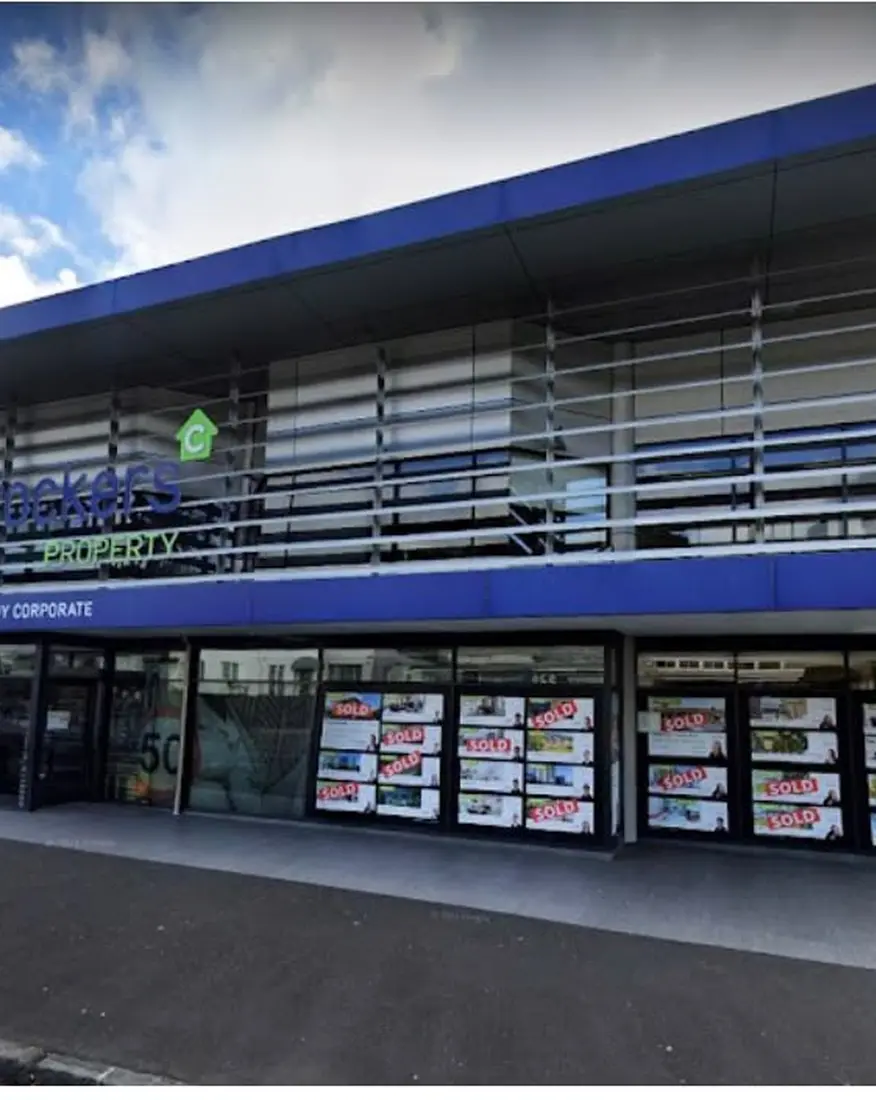
Crockers Building, Epsom
Intumescent Fire Protection Reinstatement
LOCATION
SERVICE
The Challenge
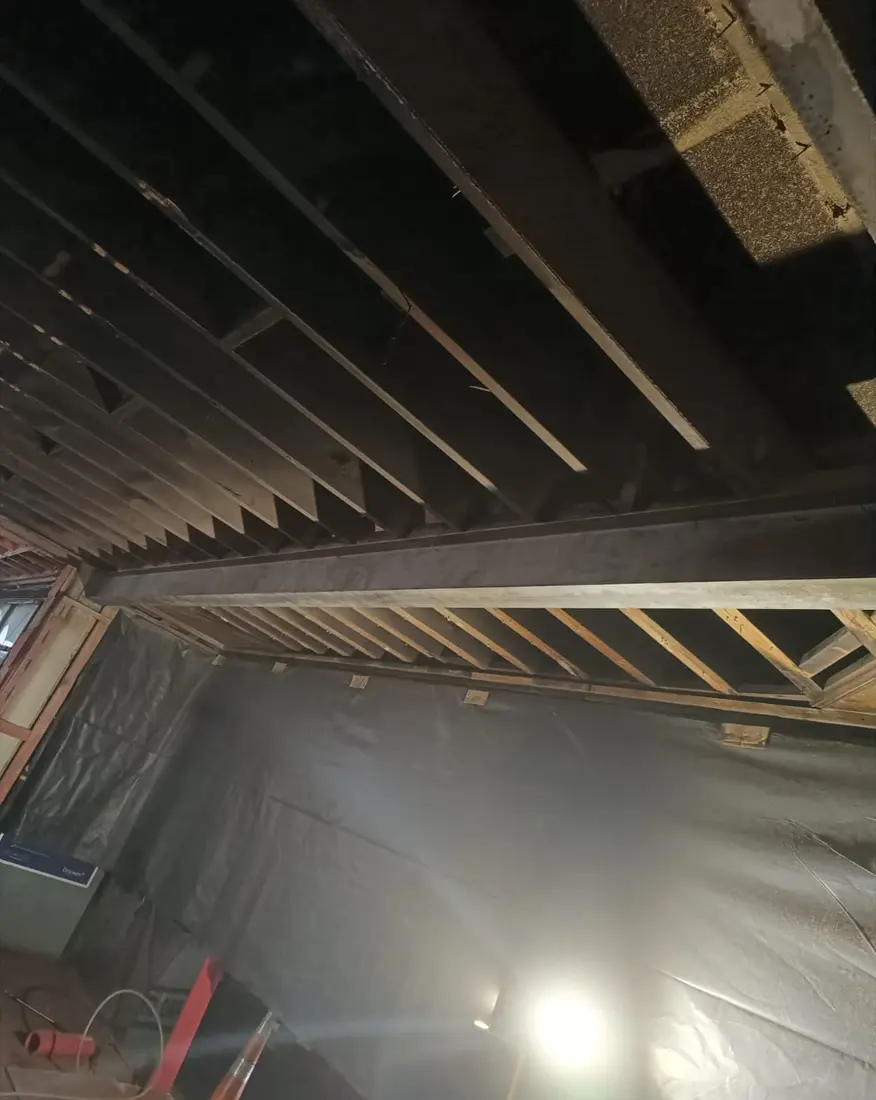
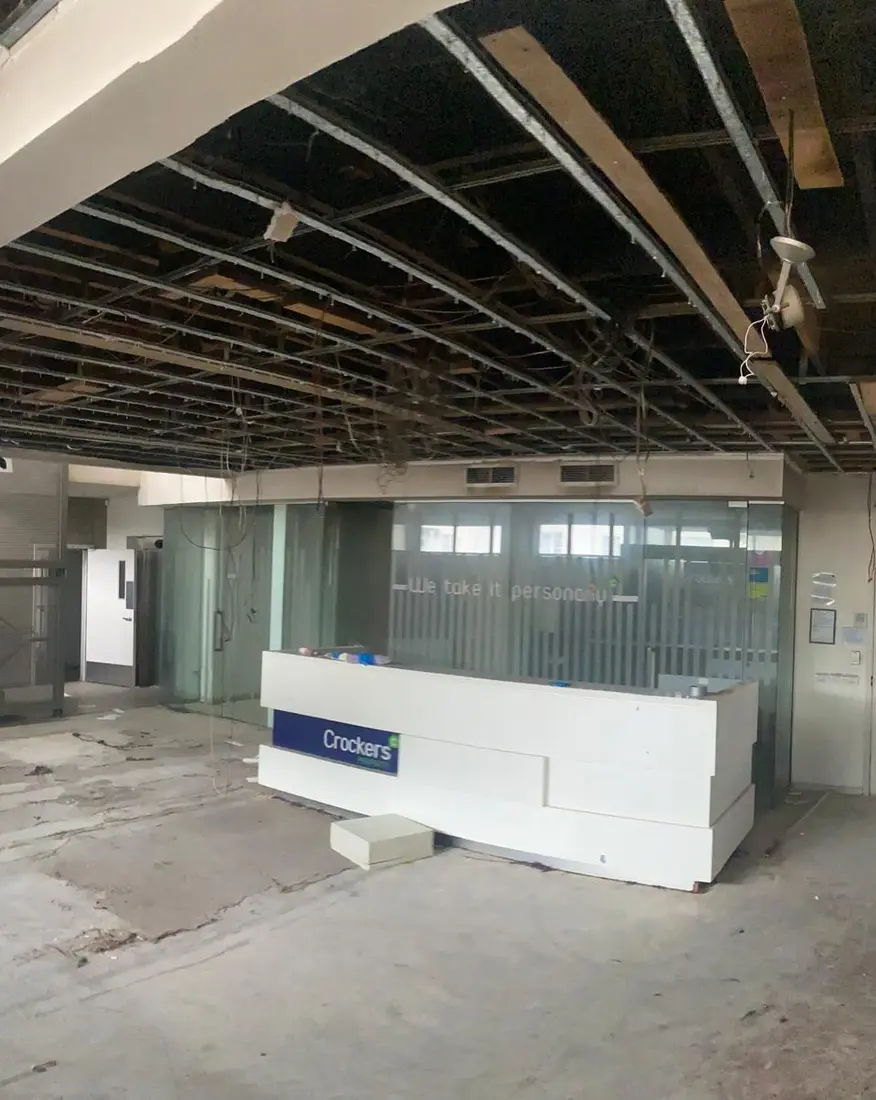
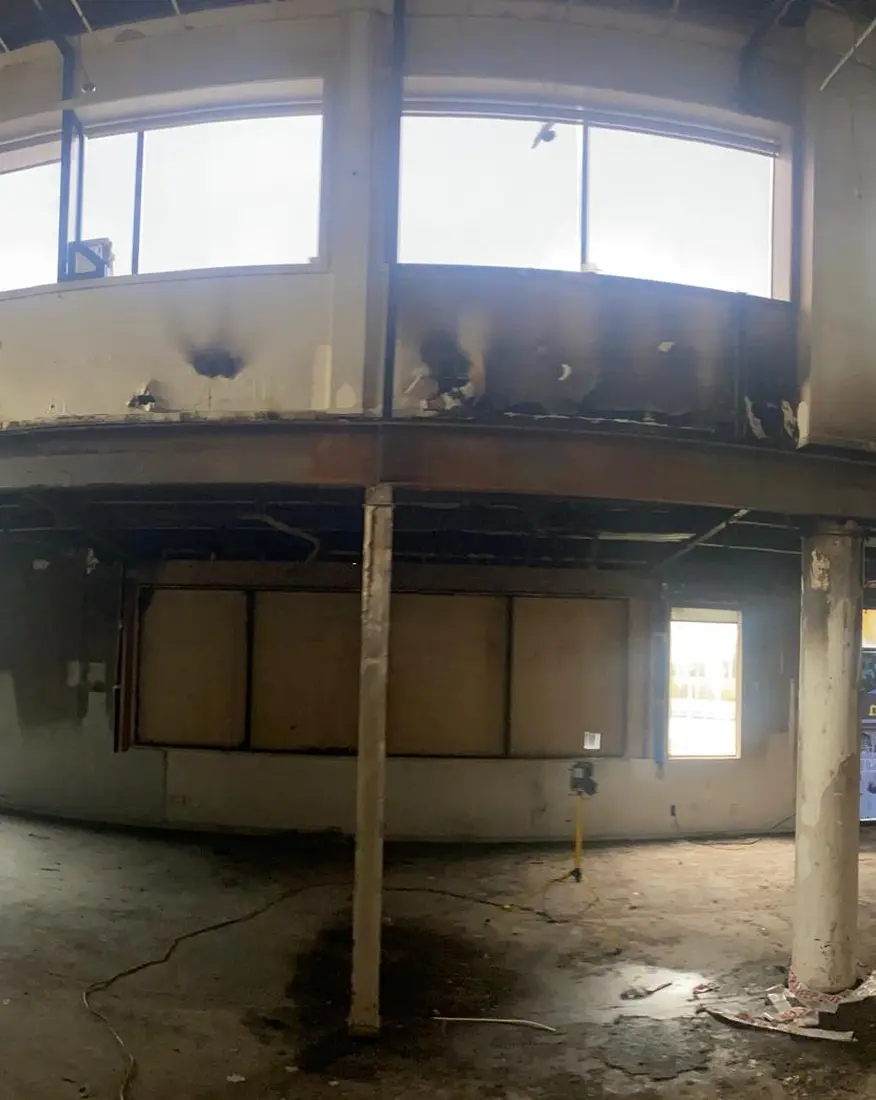
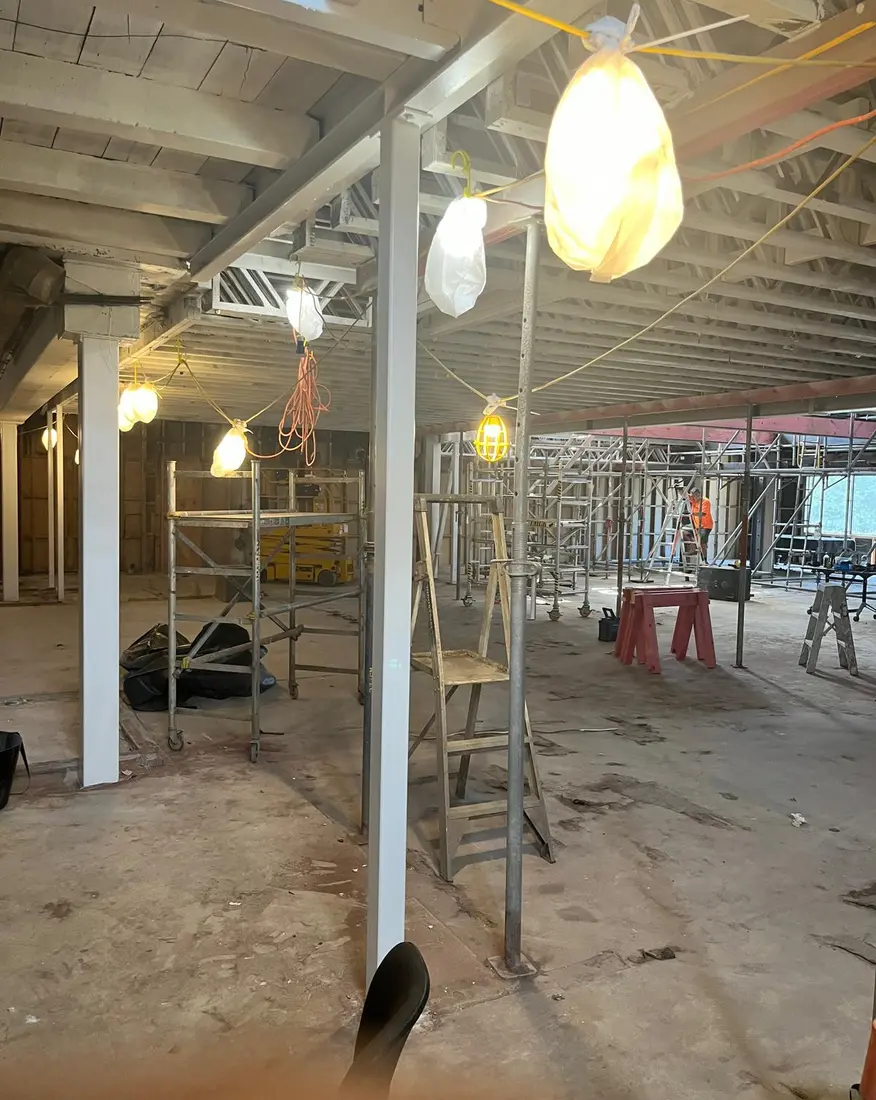
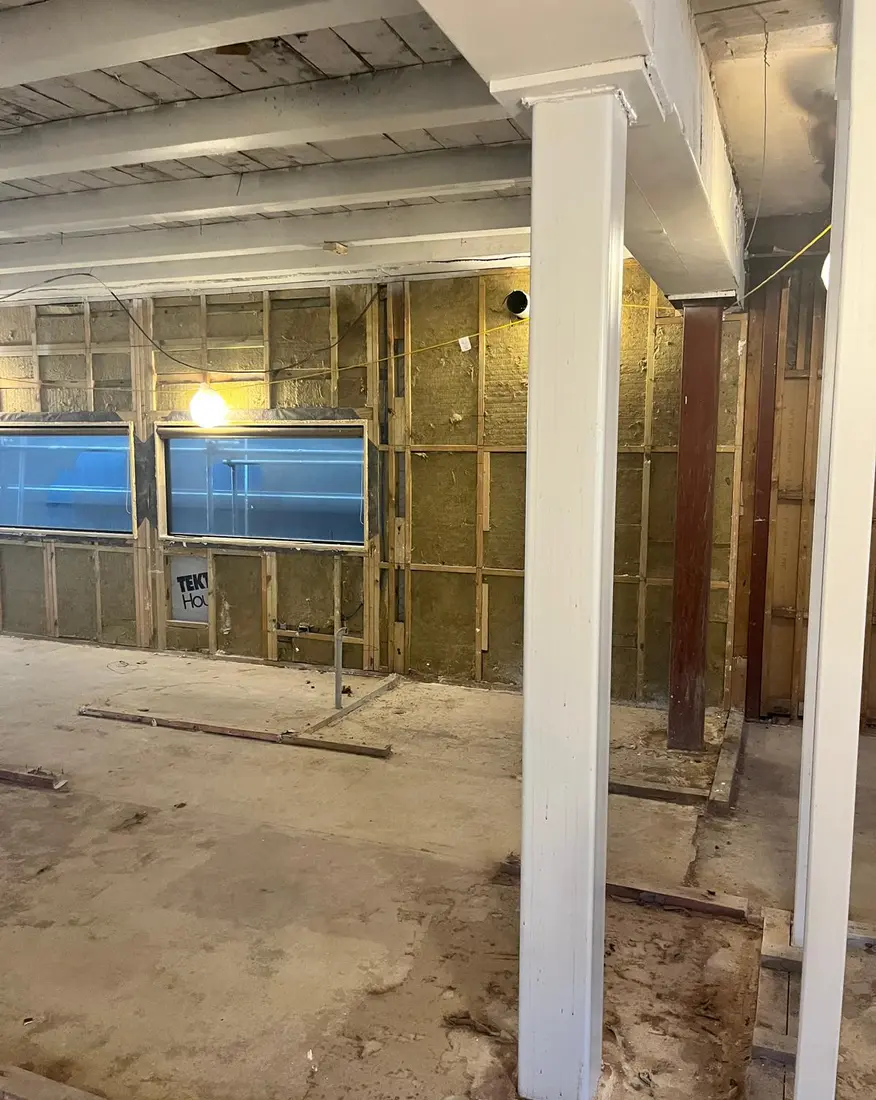
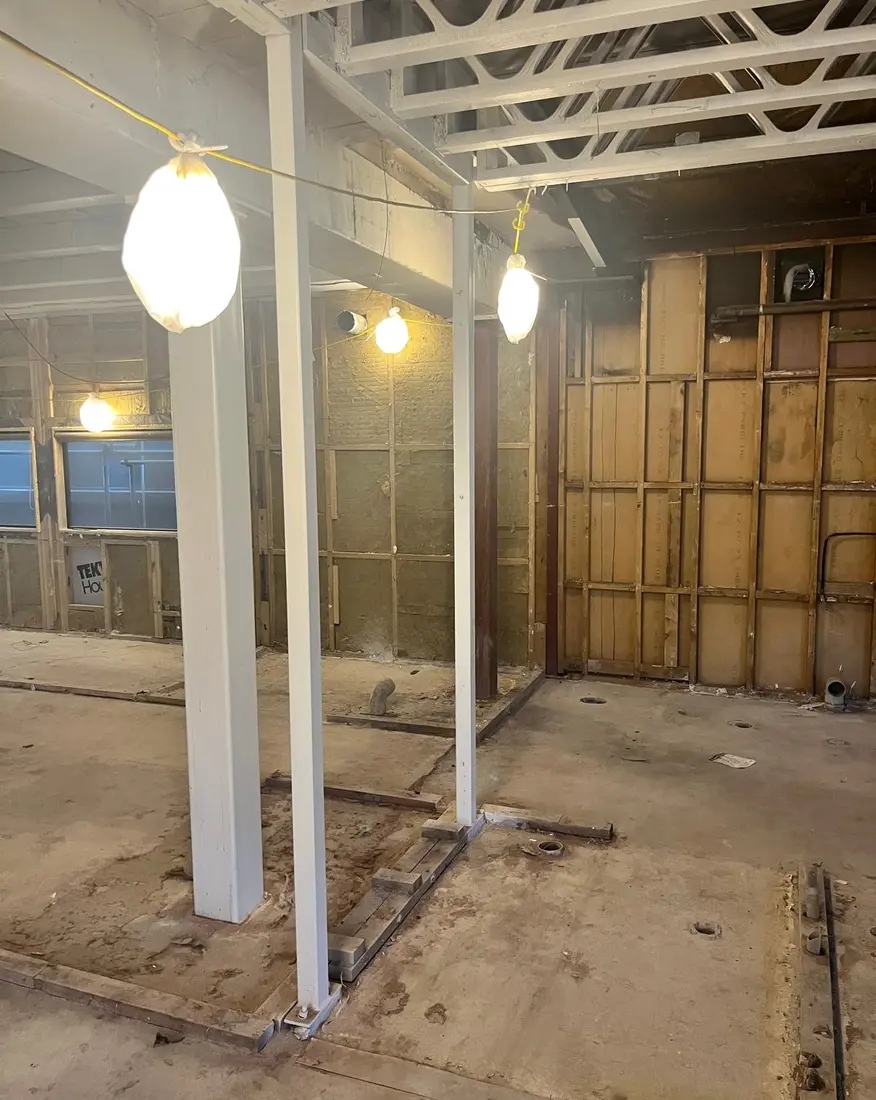
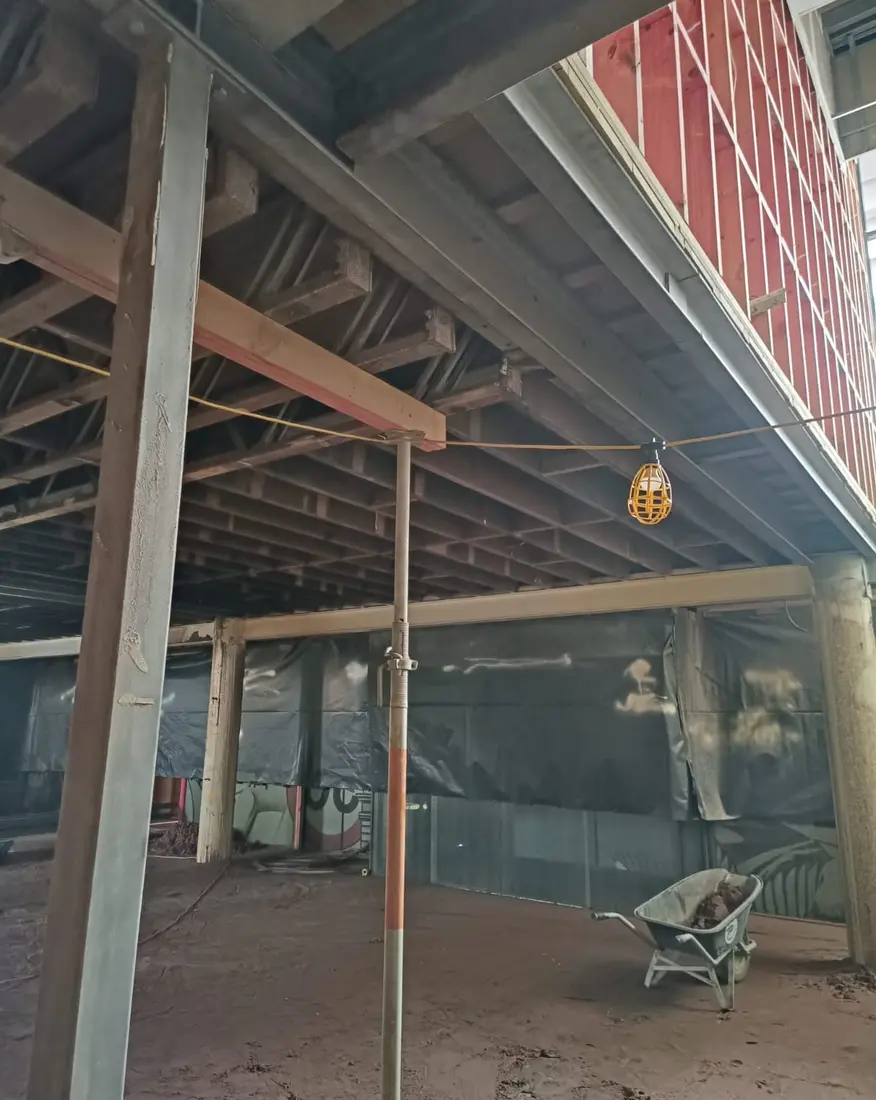
The fire had left the building’s structural steel with failed coatings and reduced fire resistance, so the passive fire protection could no longer be relied on to perform as designed. Before any new intumescent system could be applied, the fire-damaged surface had to be addressed so the coating could be rebuilt to the required standard and properly documented for sign-off.
Our Approach
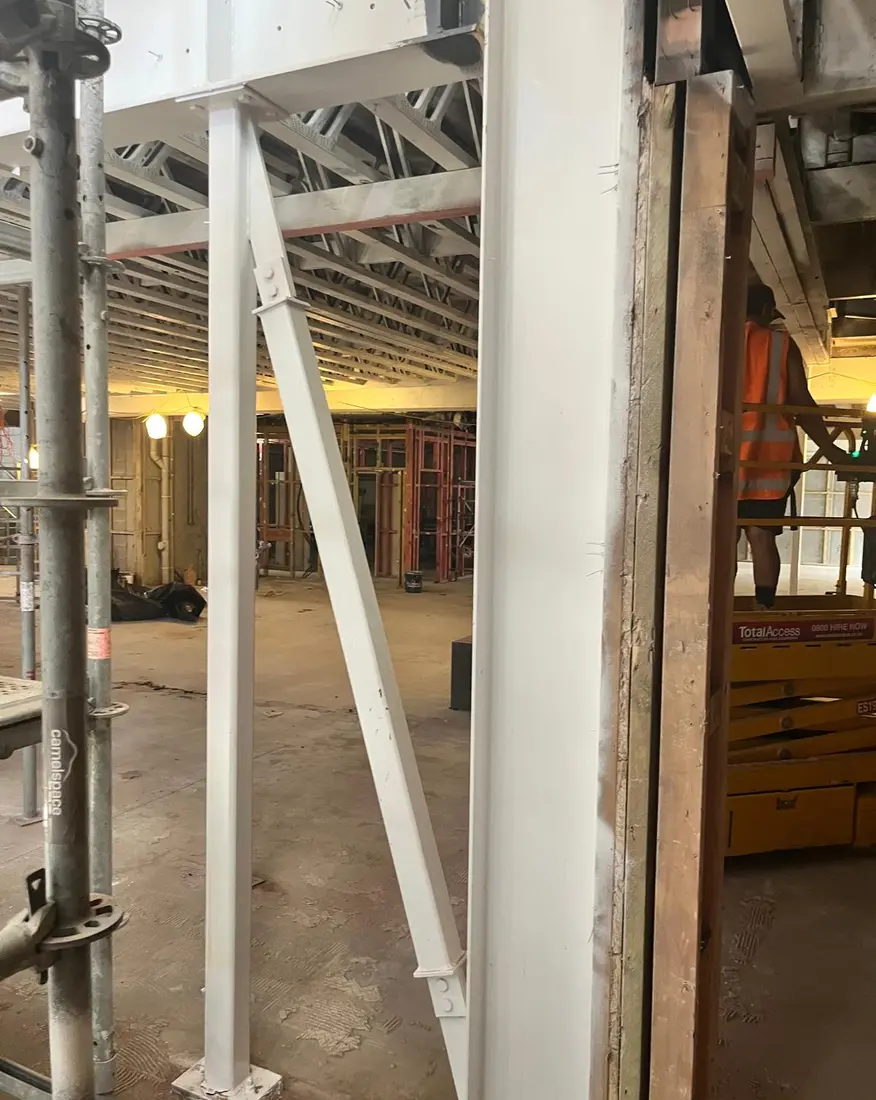
BlastOff blast cleaned the fire-affected steel to remove soot and failed coatings, preparing a sound surface ahead of recoating. Intumescent paint was then applied to every steel member to the specified thickness, checked with a DFT gauge to confirm the required build had been achieved. Recording the application and thickness data at each stage supported the documentation needed for the wider fire protection sign-off.
The Outcome
The Crockers Building’s passive fire protection was rebuilt to the required standard across all treated steel members, with dry film thickness documented throughout. This gave the project a verifiable record of the reinstated intumescent system, ready to support the formal sign-off process for the fire damage restoration.
Rebuilding Passive Fire Protection After Fire Damage at the Crockers Building
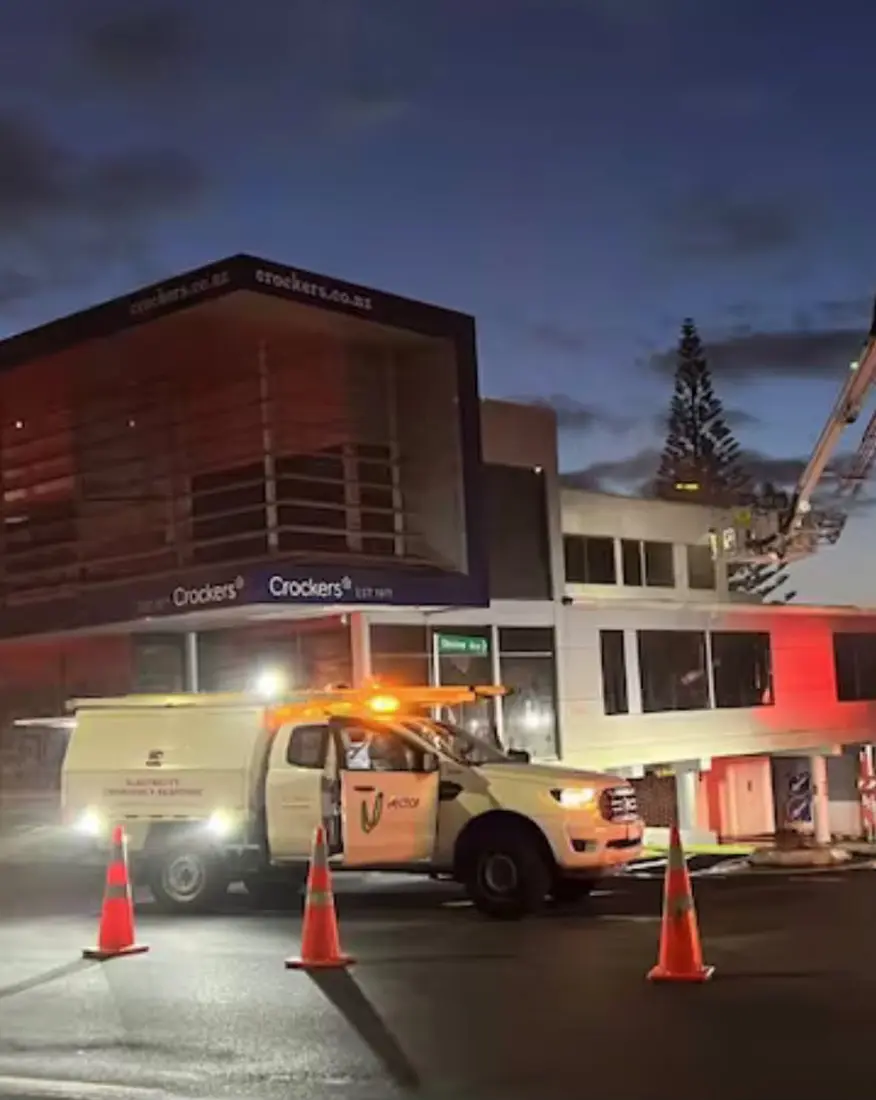
A fire at the Crockers Building in Epsom left the structural steel with failed coatings and compromised passive fire protection, meaning the building could not be considered safe for reoccupation until that protection was properly reinstated. Fire damage does not just affect appearance, it can strip a coating system of the very performance it was installed to provide, so the steel needed to be assessed and treated across every affected member rather than patched selectively.
BlastOff blast cleaned the fire-affected steel to remove soot and failed coatings, giving the surface a clean base before recoating began. Intumescent paint was then applied to every steel member to the specified thickness, checked with a DFT gauge at each stage to confirm the required build had been achieved, with protective coatings applied over the remediated surfaces to complete the system. Reinstating intumescent fire protection after a fire event is a different exercise to a first-time installation, since the steel condition varies member to member and the removal stage has to be thorough enough that nothing compromised gets sealed beneath the new coating.
Building owners and facility managers dealing with fire damage should expect their restoration programme to include a steel-by-steel assessment, verified film thickness records, and coordination with protective coating work so the passive fire system and the surrounding finish are handed back as one documented package ready for sign-off, rather than treated as separate, disconnected trades working to their own timelines and standards across the site. Insurers and fire engineers overseeing a comparable restoration will typically expect this kind of measured record before certifying the building fit for reoccupation, so keeping preparation, coating and documentation aligned from the outset avoids delays later in the sign-off process. It is also worth building enough time into the programme for each member to be inspected before it is covered by the next coating layer.
Testimonials
Project Images
Clients value our reliability, communication, and the quality of our work.
Posted on GoogleTrustindex verifies that the original source of the review is Google. Damian came promptly, explained the process clearly and gave us a quote. The work was done professionally and Damian was available and easily contactable throughout. His team were great to deal with and completed the internal waterproofing of our garage and rumpus room. We were very happy with the result. N BrightPosted on GoogleTrustindex verifies that the original source of the review is Google. Awesome work by Blastoff Solutions. Damien was a pleasure to deal with. Got back promptly to any queries and questions. Offering both a cost effective and practical solution to our needs. Work carried out to a high standard. Highly recommend.Posted on GoogleTrustindex verifies that the original source of the review is Google. Damian is a good communicator and the job was done to a good standard by his team. Thank you.Posted on GoogleTrustindex verifies that the original source of the review is Google. Our rental property is concrete block unit and we had leakage from one of the wall of lounge. Danial of this company visited and and gave satisfying answers to my questions and after accepting the quote the work was done to my satisfaction.Posted on GoogleTrustindex verifies that the original source of the review is Google. Good communication and did a great job. Estimated cost was very accurate.Posted on GoogleTrustindex verifies that the original source of the review is Google. Coming to the rescue, getting the job done in time! With amazing results! Very impressed, thank youPosted on GoogleTrustindex verifies that the original source of the review is Google. My deck looks like new again, thanks to Blastoff Washing team!Verified by TrustindexTrustindex verified badge is the Universal Symbol of Trust. Only the greatest companies can get the verified badge who has a review score above 4.5, based on customer reviews over the past 12 months. Read more
Ready to get started?
Planning crane or port maintenance? Talk to BlastOff.