Britomart Tunnel
Structural Steel Intumescent Coating
LOCATION
SERVICE
The Challenge
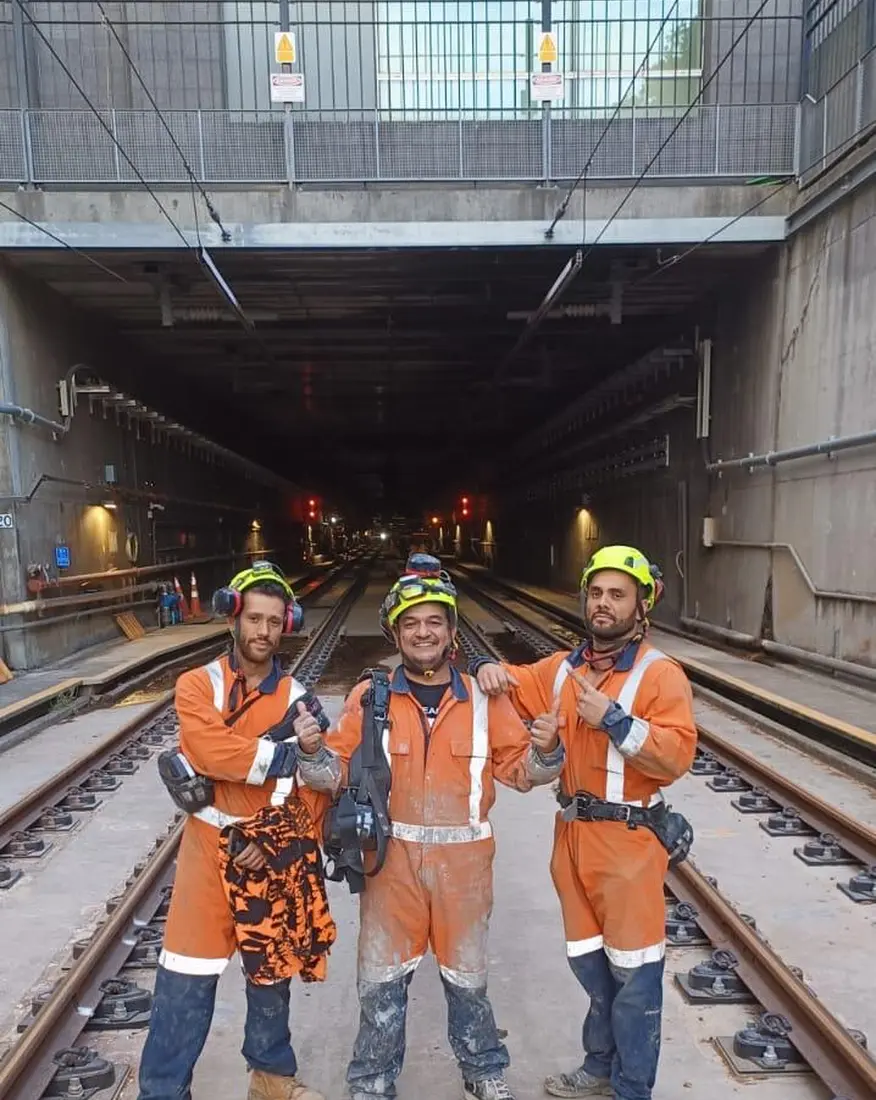
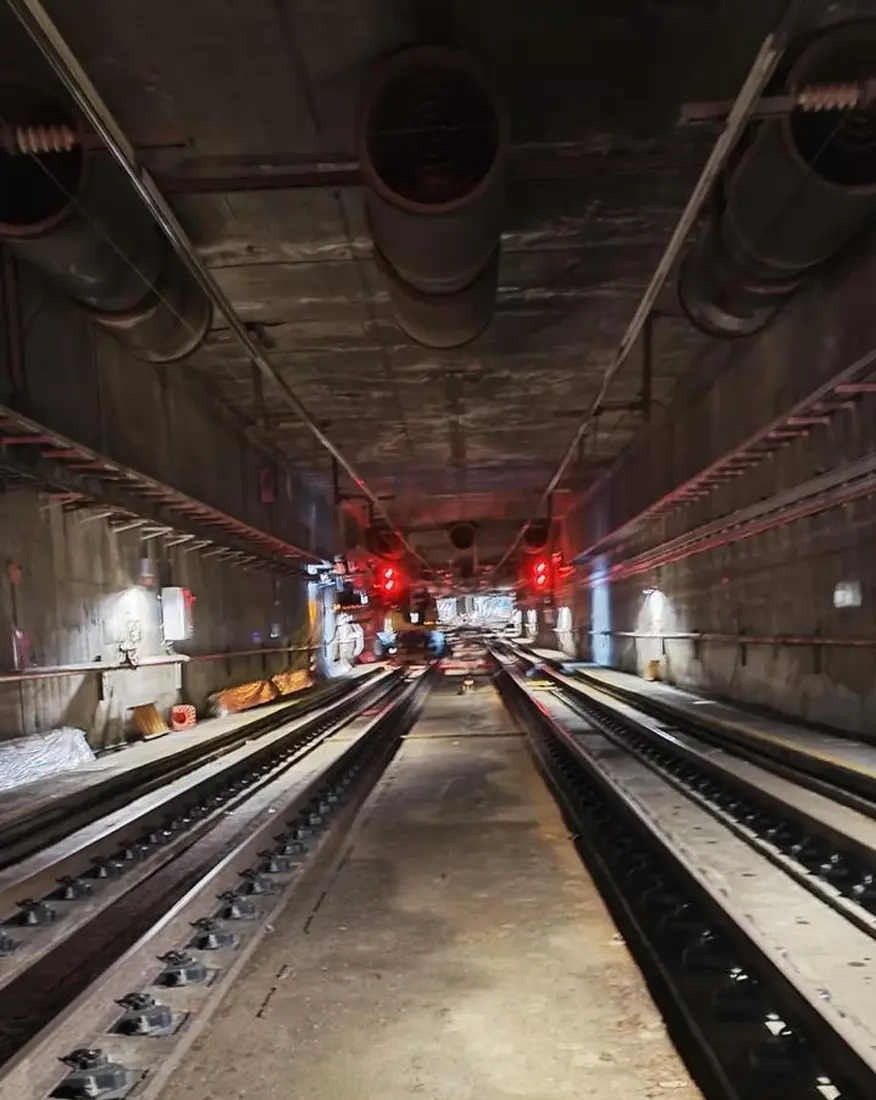
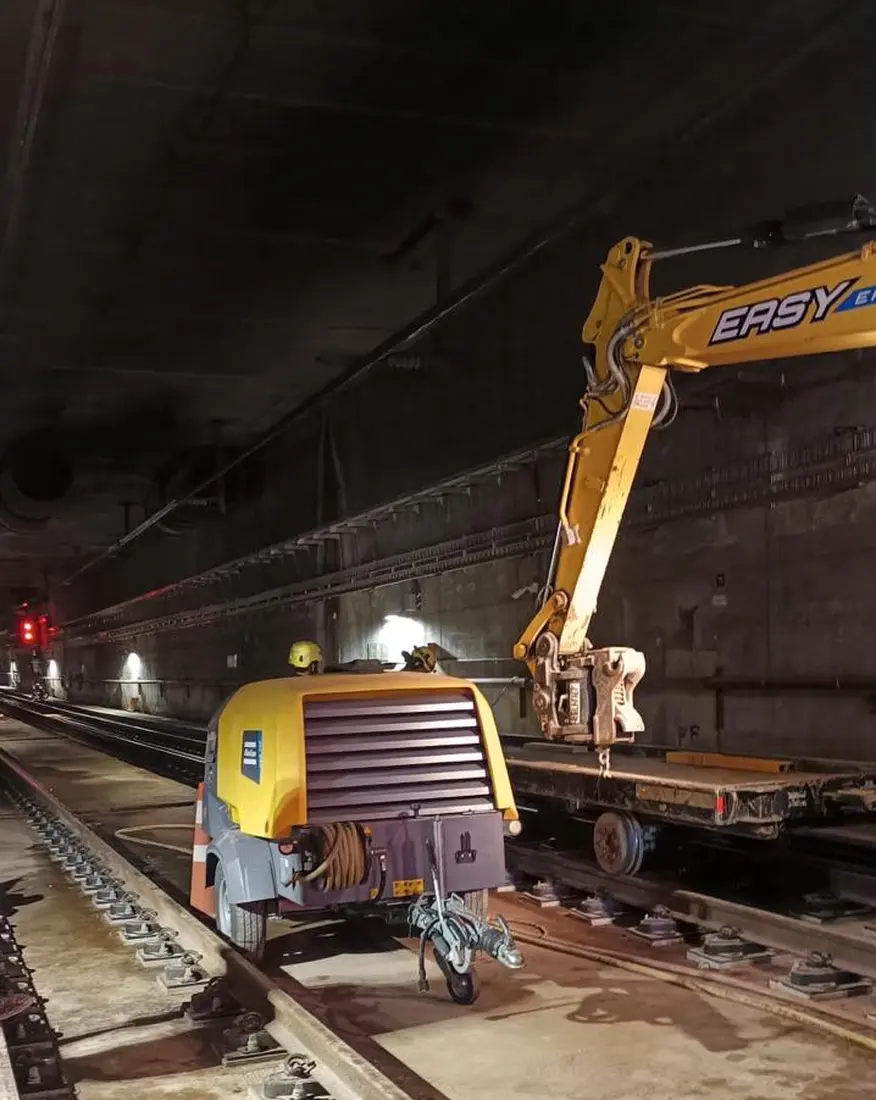
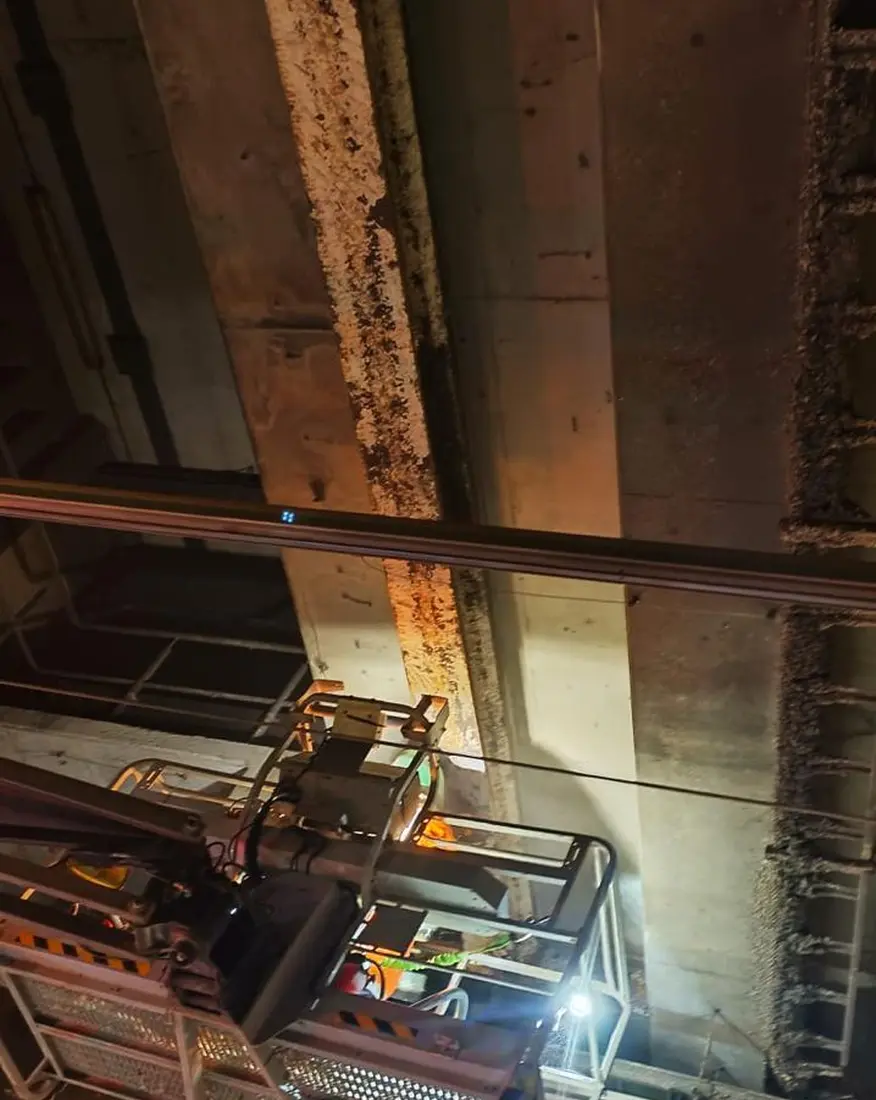
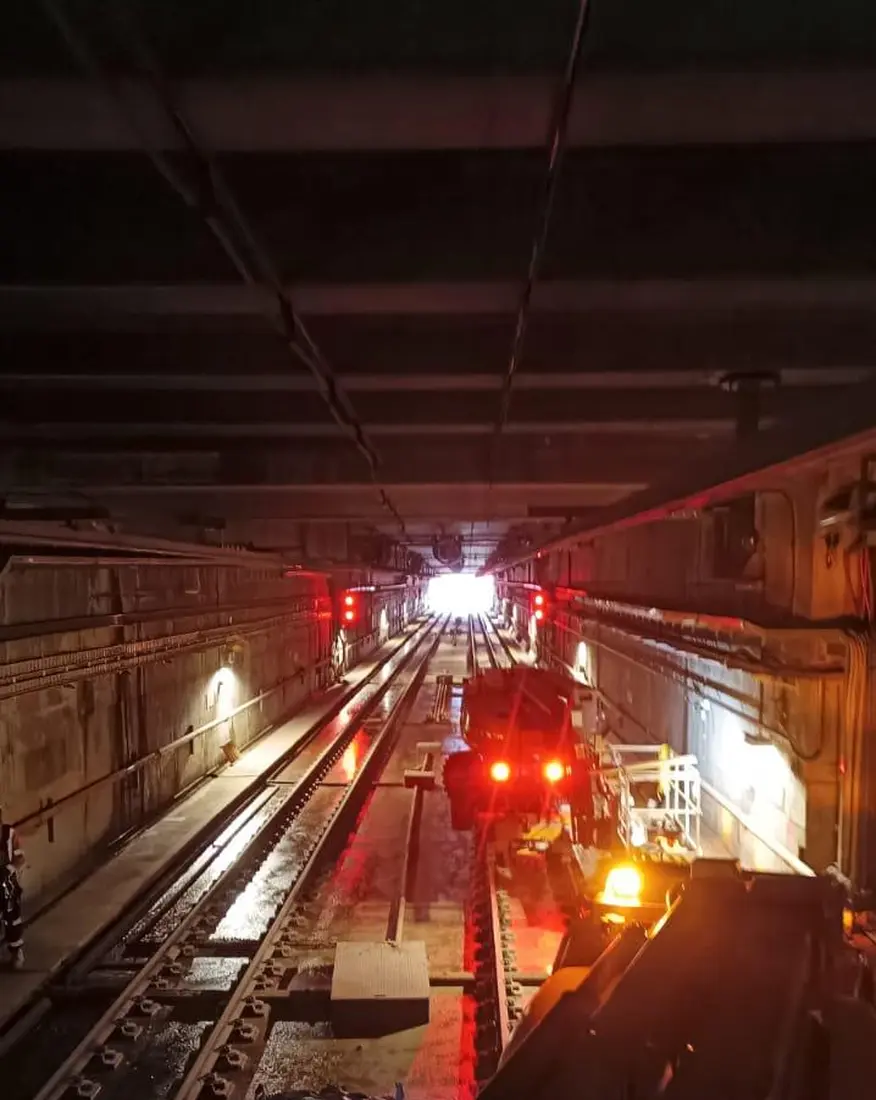
The structural steel inside the operating tunnel needed renewed fire protection, but the environment placed strict limits on how the work could be carried out. Access had to be planned around the live rail corridor, and containment had to be maintained throughout to prevent dust or debris escaping into the tunnel. Any preparation and coating sequence had to be achievable within these access windows without affecting rail operations.
Our Approach
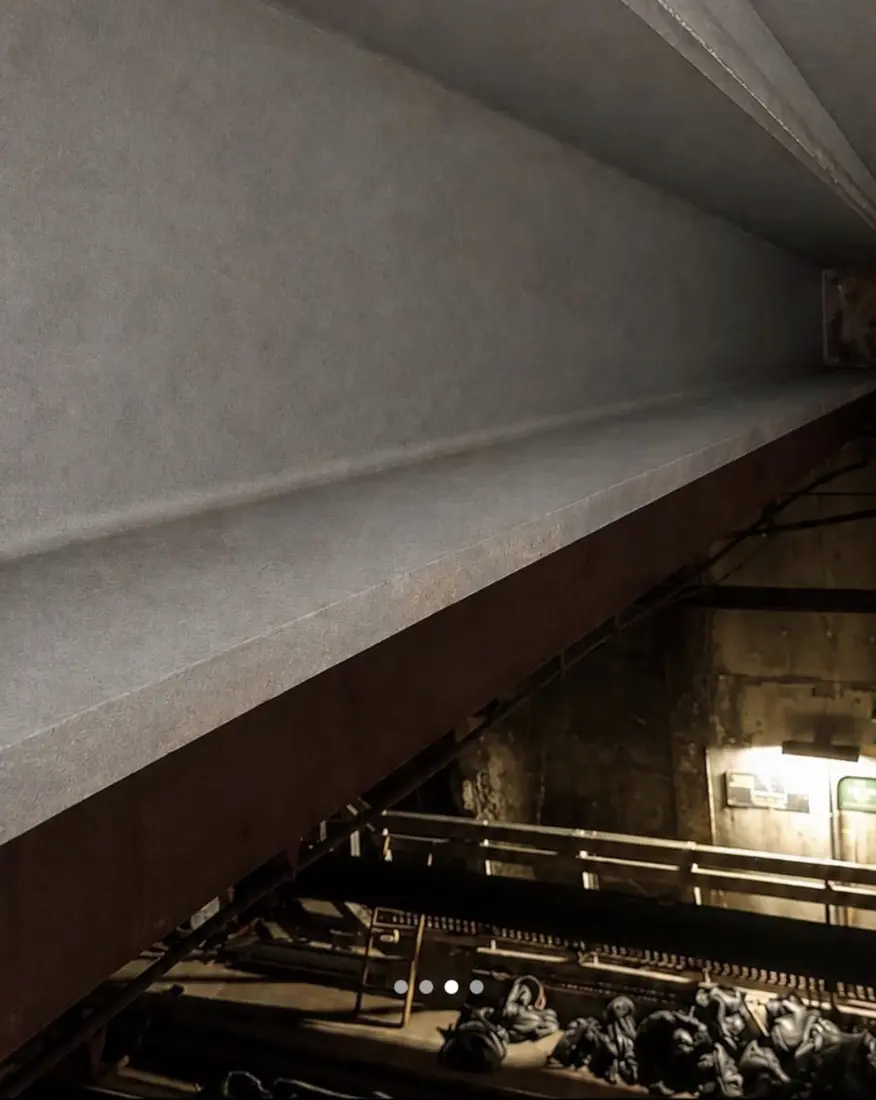
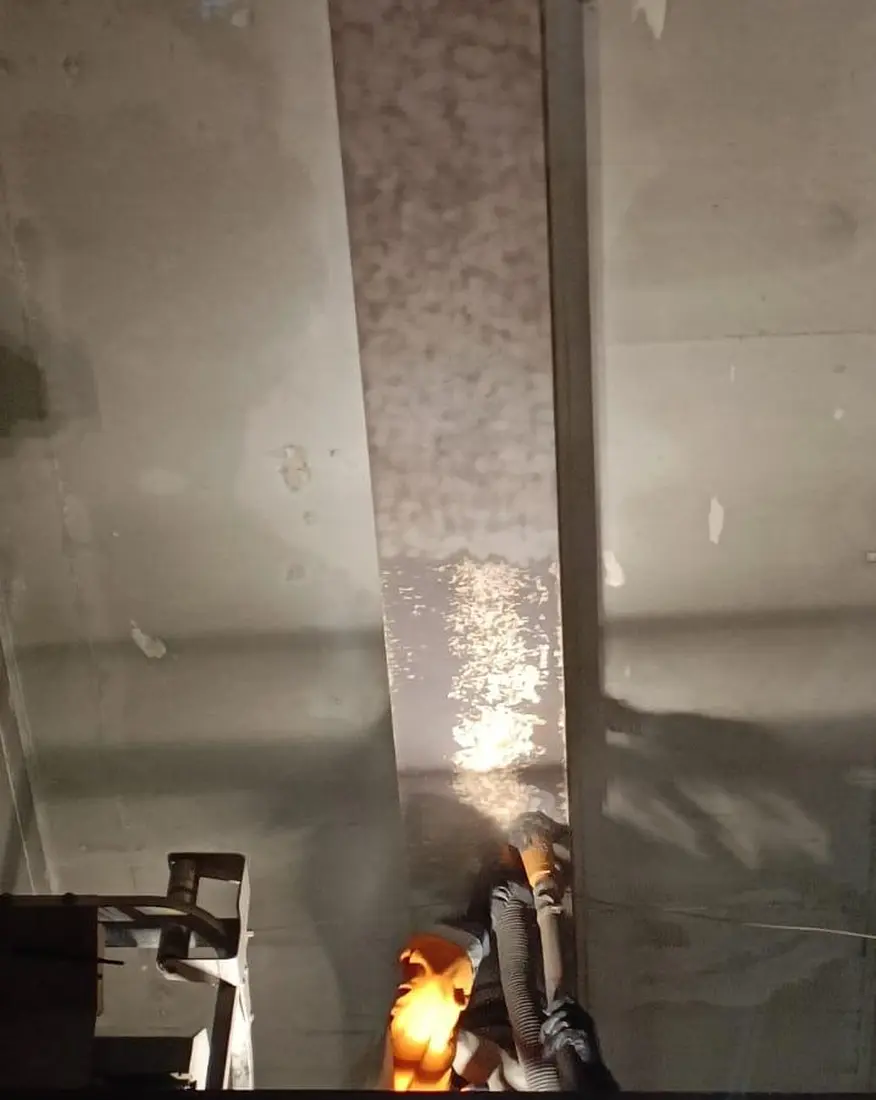
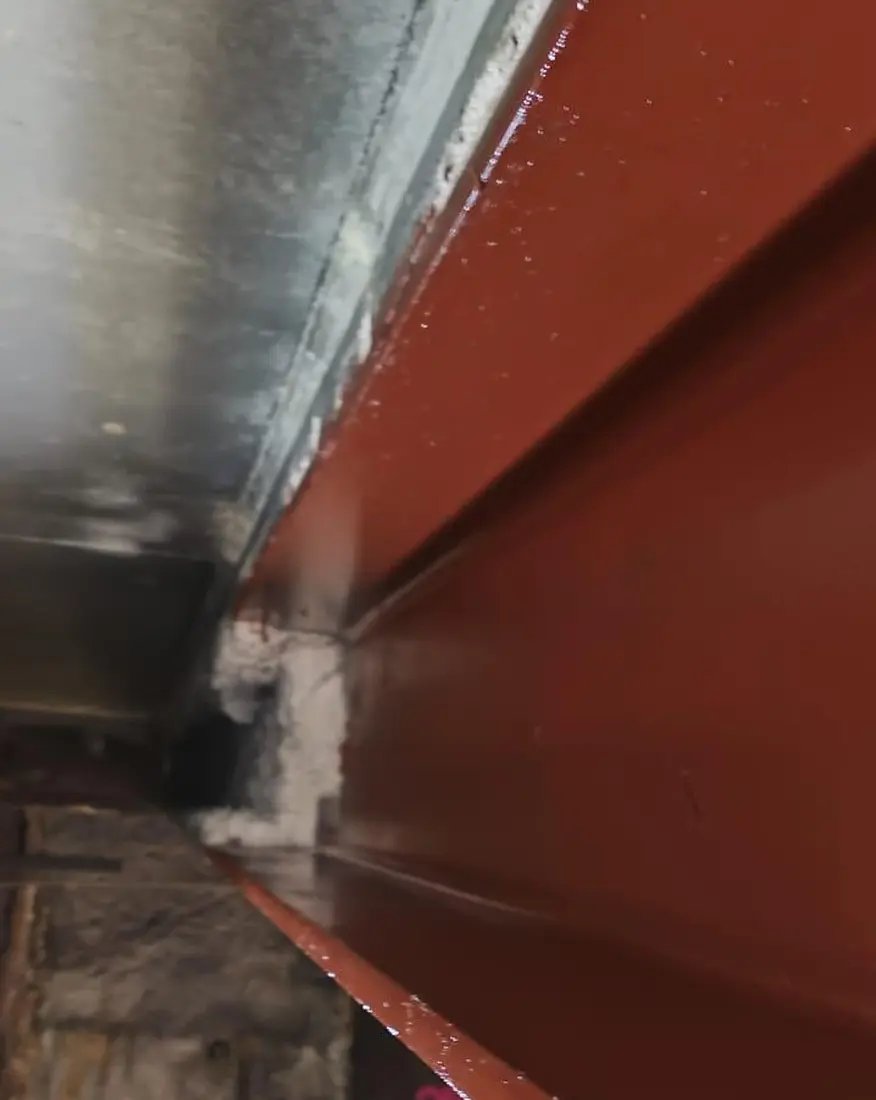
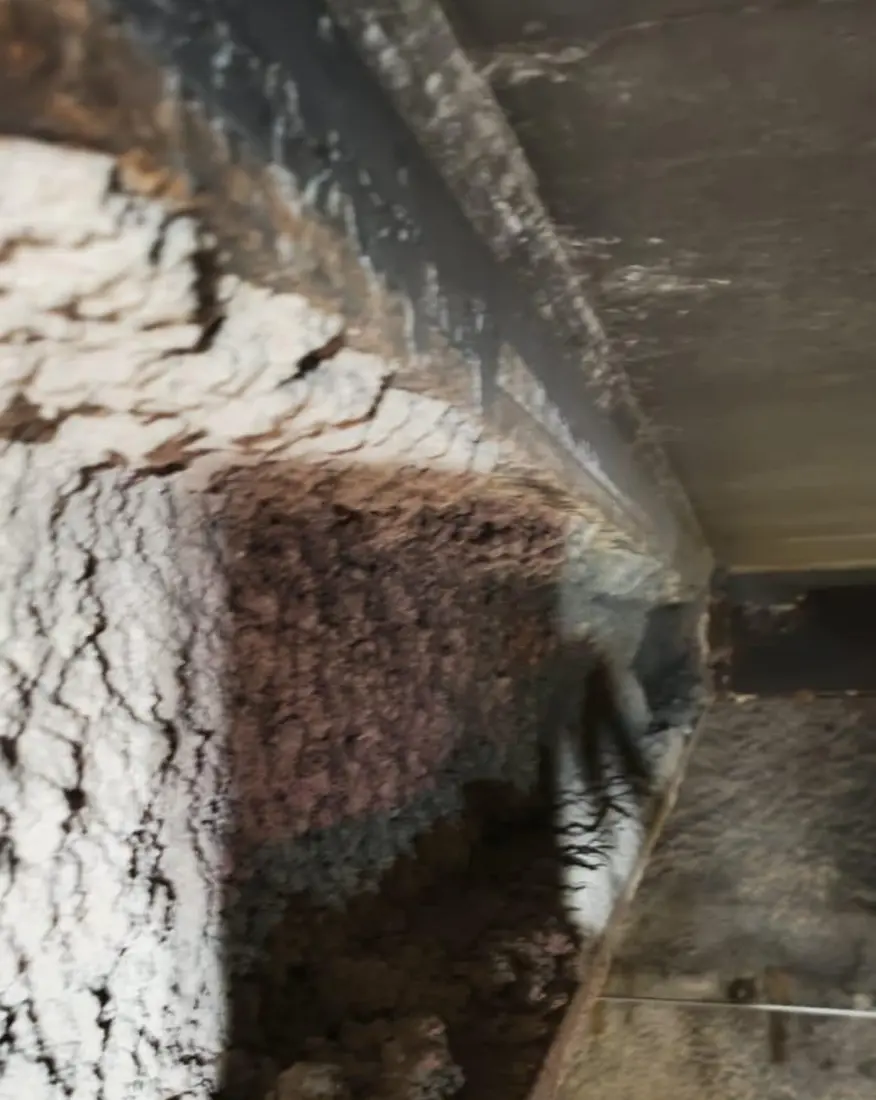
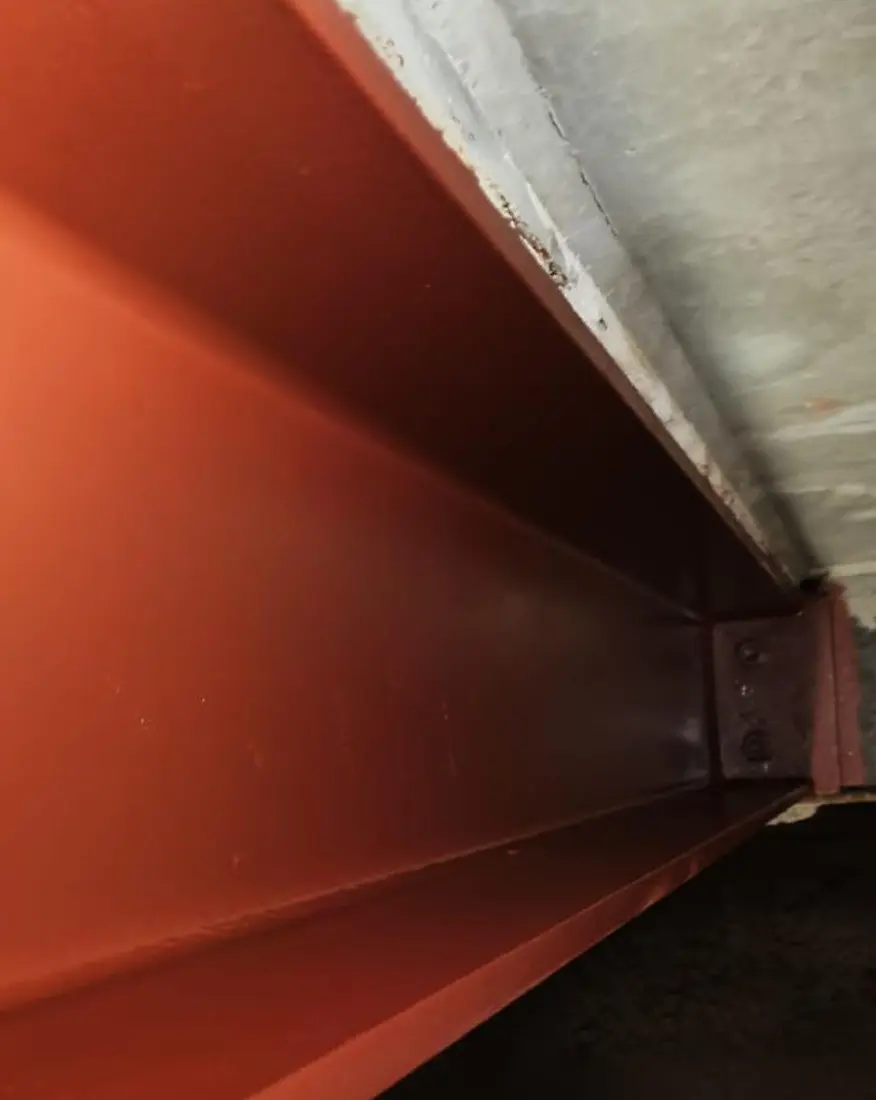
BlastOff sandblasted the structural steel members to the cleanliness required before intumescent coating, removing existing contamination and establishing a suitable surface for adhesion. Intumescent paint was then applied to each member to the specified loading, with dry film thickness measured and recorded throughout the process to build an accurate asset record. Work was sequenced and contained to suit the constraints of the live tunnel environment.
The Outcome
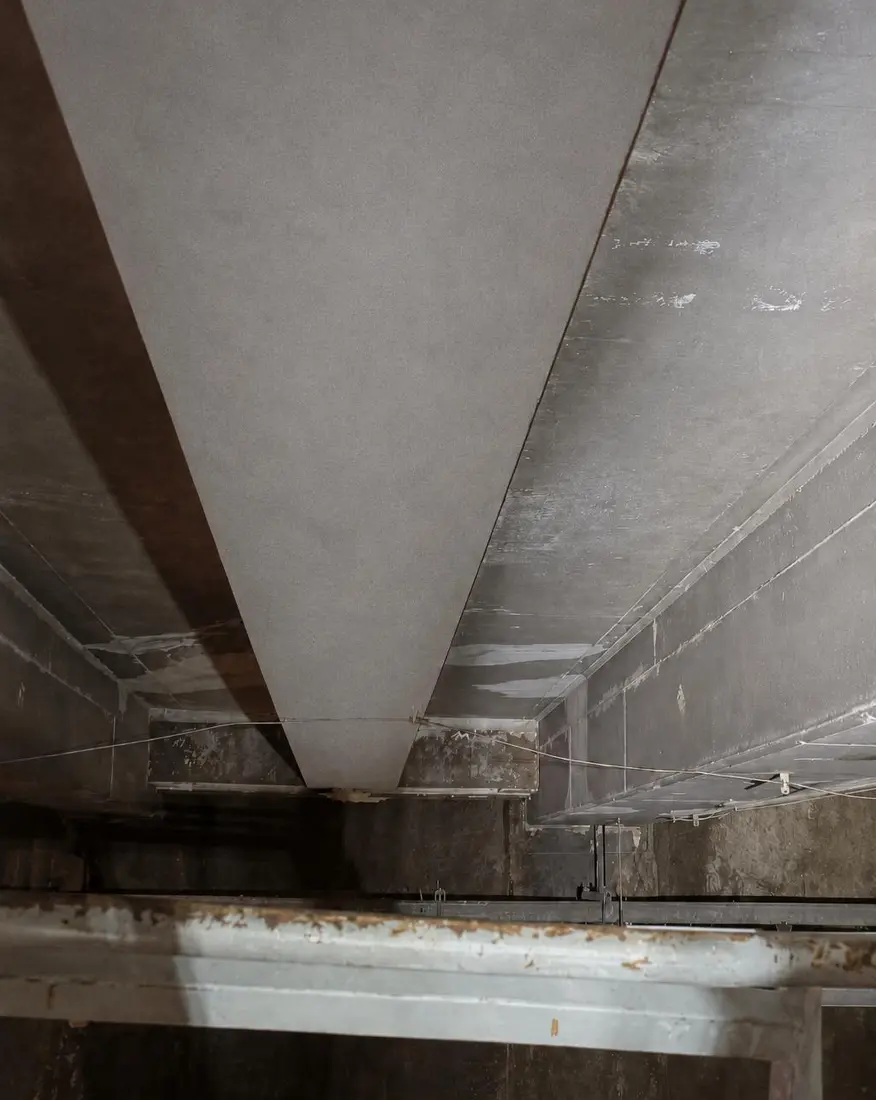
The structural steel within the Britomart tunnel received new intumescent fire protection installed to specification, with dry film thickness recorded for the project record. The work was completed within the live tunnel environment, giving KiwiRail a documented passive fire protection system across the treated steel members.
Fire Protection in a Live Rail Corridor: Reinstating Intumescent Coating Inside Britomart Tunnel
Deep beneath Auckland’s CBD, the structural steel supporting KiwiRail’s Britomart tunnel needed its passive fire protection renewed, a job that could not simply be scheduled around normal working hours because the corridor remains a live rail environment. Any loss of fire protection on structural steel is a serious risk below ground, and reinstating it meant the coating system had to be rebuilt correctly the first time, with dust and debris fully contained so nothing escaped into the tunnel or affected rail operations.
BlastOff sandblasted the steel members to the cleanliness required before recoating, clearing away existing contamination and leaving a surface the intumescent system could bond to properly. Intumescent paint was then applied to each member to the specified loading, with dry film thickness measured and recorded at every stage to build an accurate asset record for KiwiRail. This kind of intumescent fire-proofing work depends on getting the preparation right, since any residual rust or contamination beneath the coating can compromise how it performs if it is ever called on.
Facility owners managing steel in confined or operational environments, whether a tunnel, plant room or basement car park, should expect any passive fire scope to be planned around access windows and containment as carefully as the coating itself. A proper scoping conversation should cover the extent of steel requiring protection, the current condition of any existing coating, and how access and containment will be managed while the space stays in use. Working hours and the sequencing of access windows need to be agreed upfront, since below-ground and infrastructure environments rarely allow the same freedom of movement as an open commercial site.
For structural steel that also needs surface preparation or a wider protective system, pairing sandblasting with the fire protection scope keeps preparation and coating consistent across the whole steel network being treated, with thickness records tied to each stage giving the asset owner a clear reference for future inspections.
Testimonials
Project Images
Clients value our reliability, communication, and the quality of our work.
Posted on GoogleTrustindex verifies that the original source of the review is Google. Damian came promptly, explained the process clearly and gave us a quote. The work was done professionally and Damian was available and easily contactable throughout. His team were great to deal with and completed the internal waterproofing of our garage and rumpus room. We were very happy with the result. N BrightPosted on GoogleTrustindex verifies that the original source of the review is Google. Awesome work by Blastoff Solutions. Damien was a pleasure to deal with. Got back promptly to any queries and questions. Offering both a cost effective and practical solution to our needs. Work carried out to a high standard. Highly recommend.Posted on GoogleTrustindex verifies that the original source of the review is Google. Damian is a good communicator and the job was done to a good standard by his team. Thank you.Posted on GoogleTrustindex verifies that the original source of the review is Google. Our rental property is concrete block unit and we had leakage from one of the wall of lounge. Danial of this company visited and and gave satisfying answers to my questions and after accepting the quote the work was done to my satisfaction.Posted on GoogleTrustindex verifies that the original source of the review is Google. Good communication and did a great job. Estimated cost was very accurate.Posted on GoogleTrustindex verifies that the original source of the review is Google. Coming to the rescue, getting the job done in time! With amazing results! Very impressed, thank youPosted on GoogleTrustindex verifies that the original source of the review is Google. My deck looks like new again, thanks to Blastoff Washing team!Verified by TrustindexTrustindex verified badge is the Universal Symbol of Trust. Only the greatest companies can get the verified badge who has a review score above 4.5, based on customer reviews over the past 12 months. Read more
Ready to get started?
Planning crane or port maintenance? Talk to BlastOff.