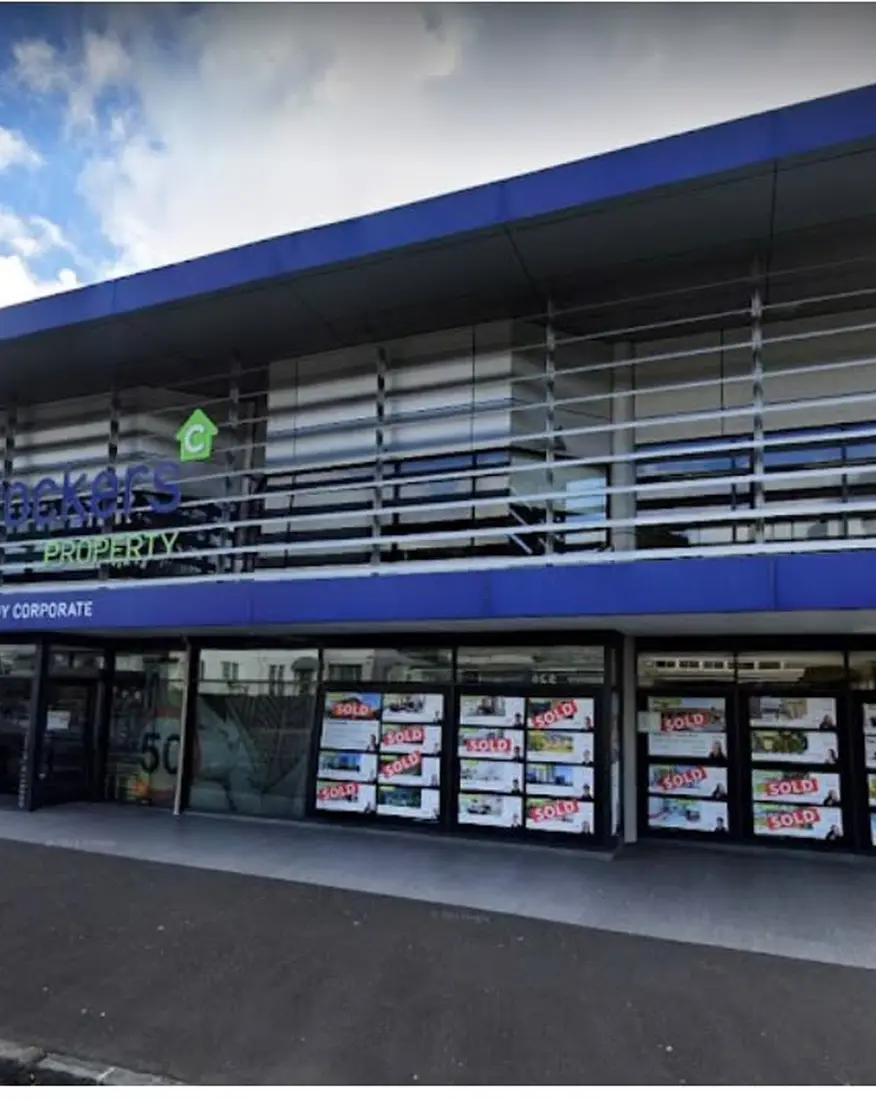
Crockers Building, Epsom
Fire Damage Remediation
LOCATION
SERVICE
The Challenge
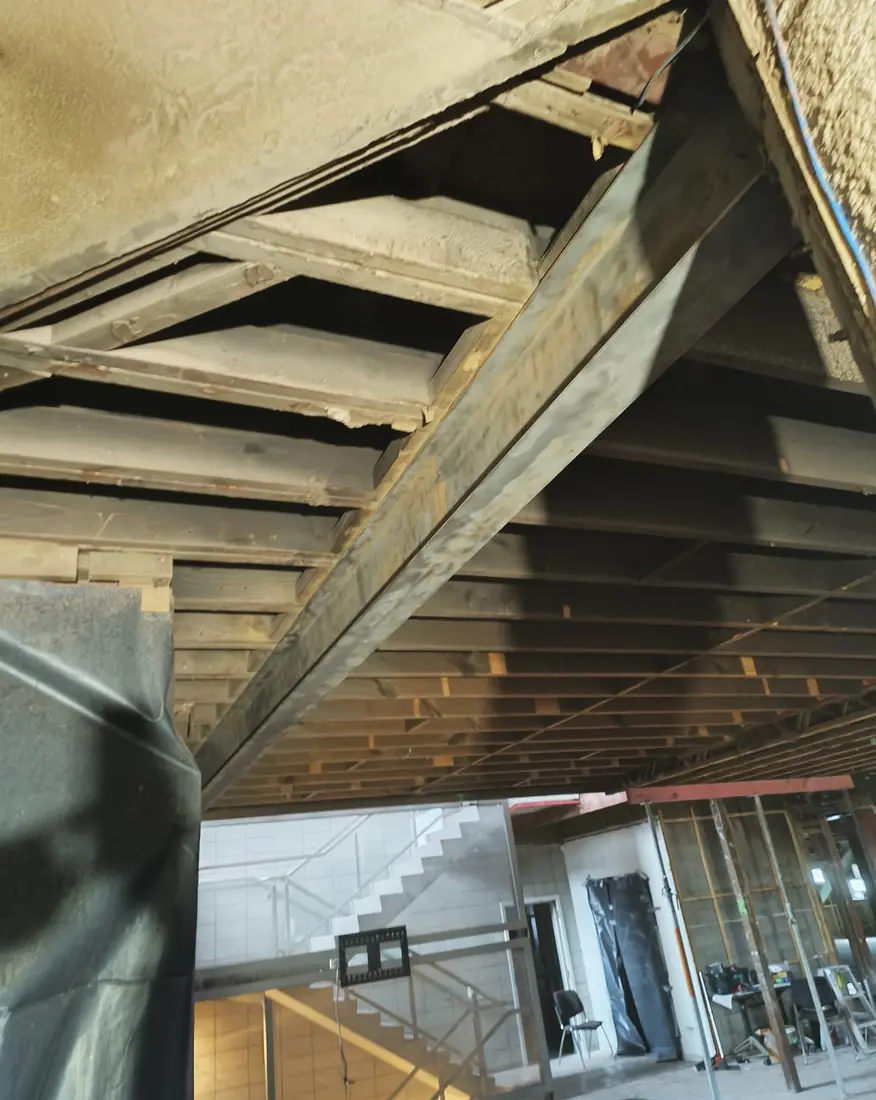
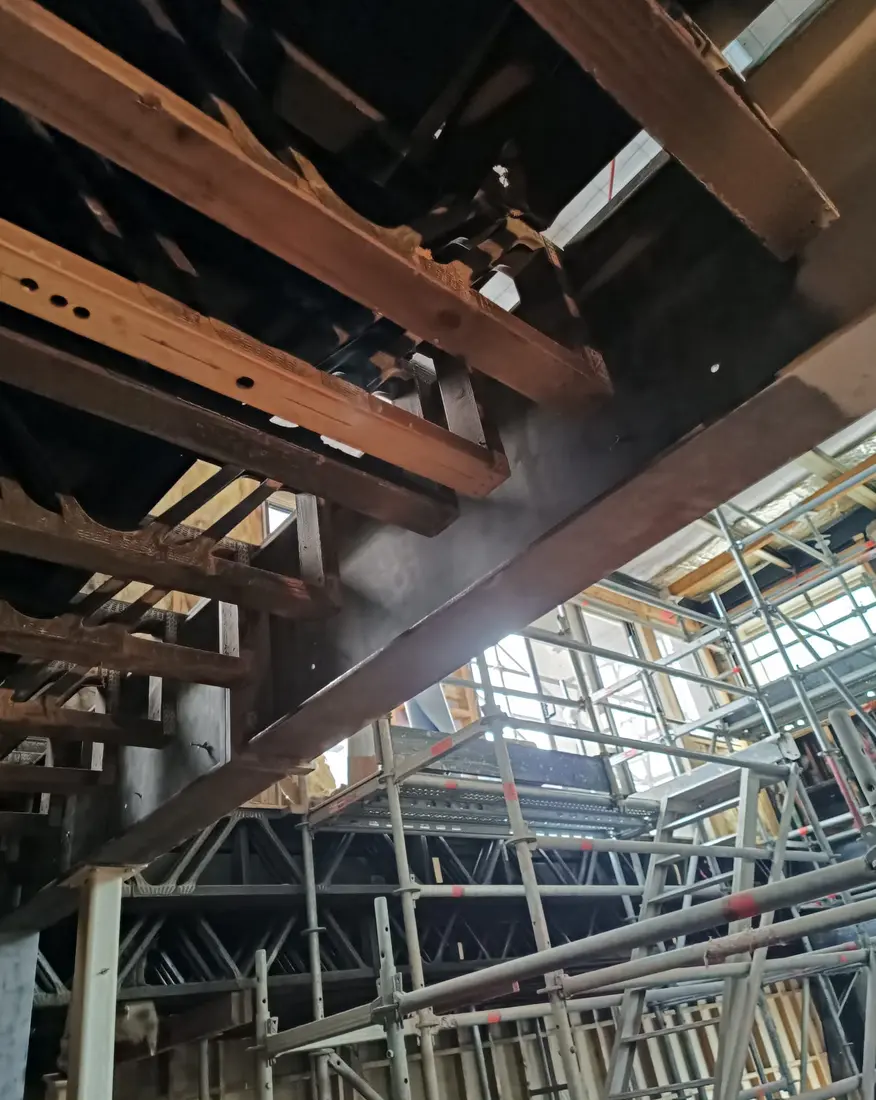
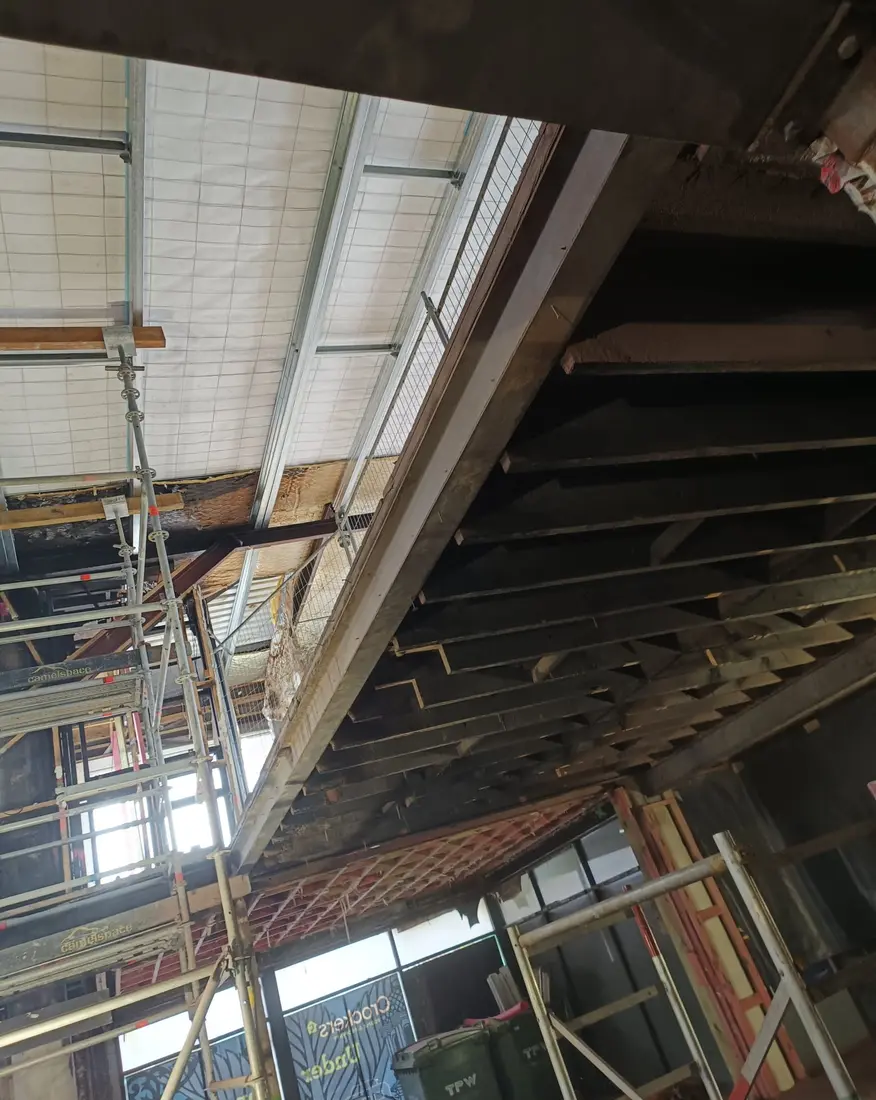
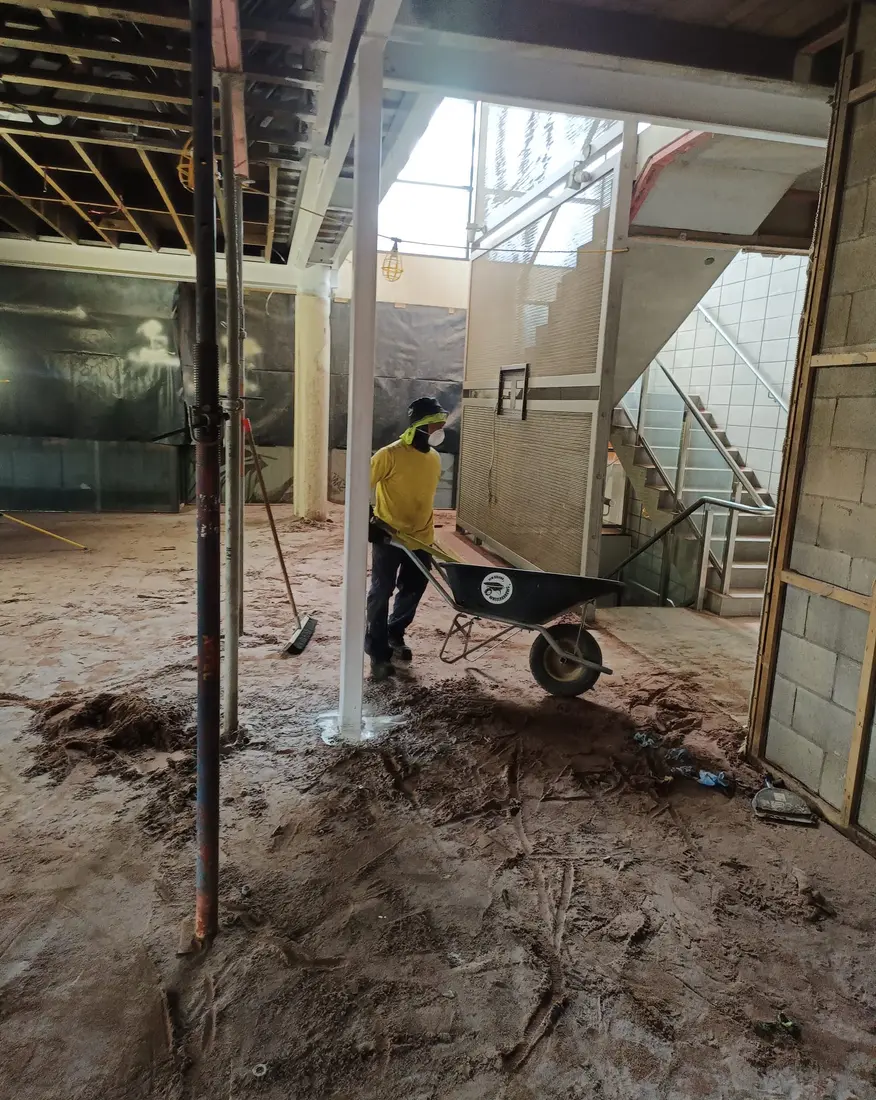
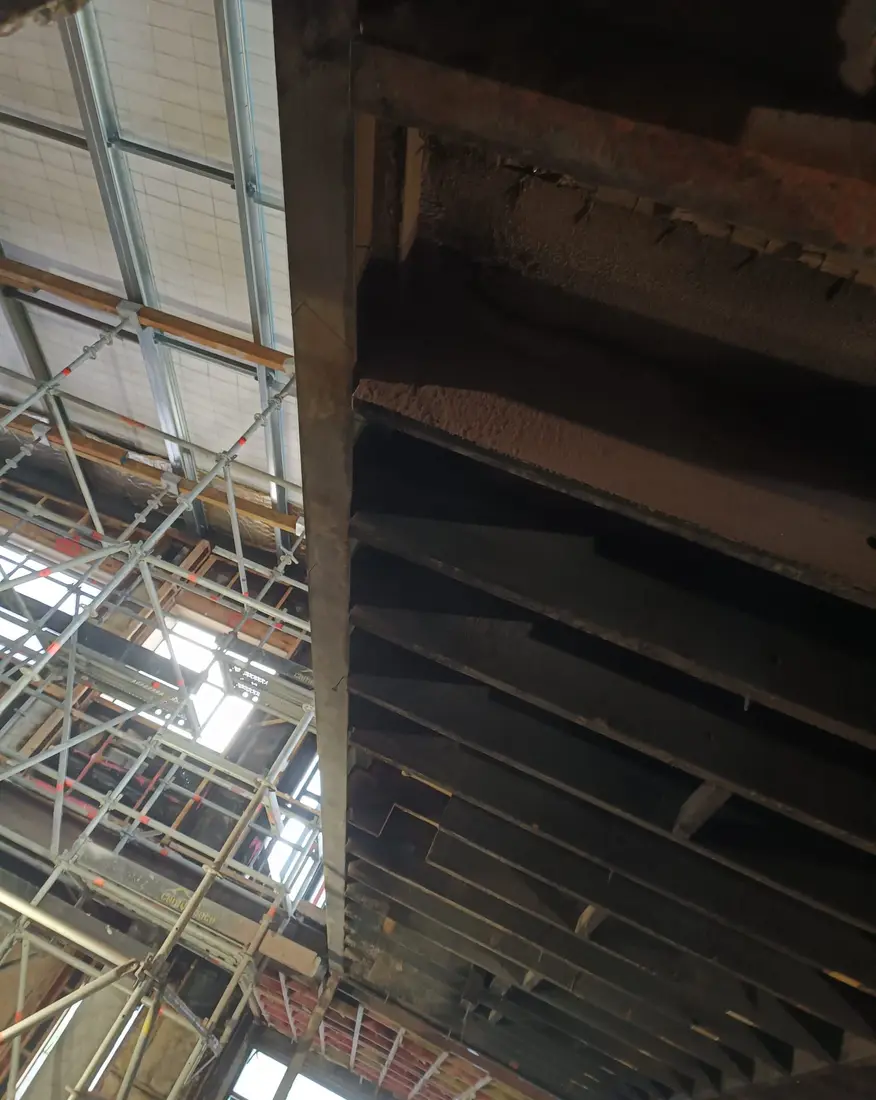
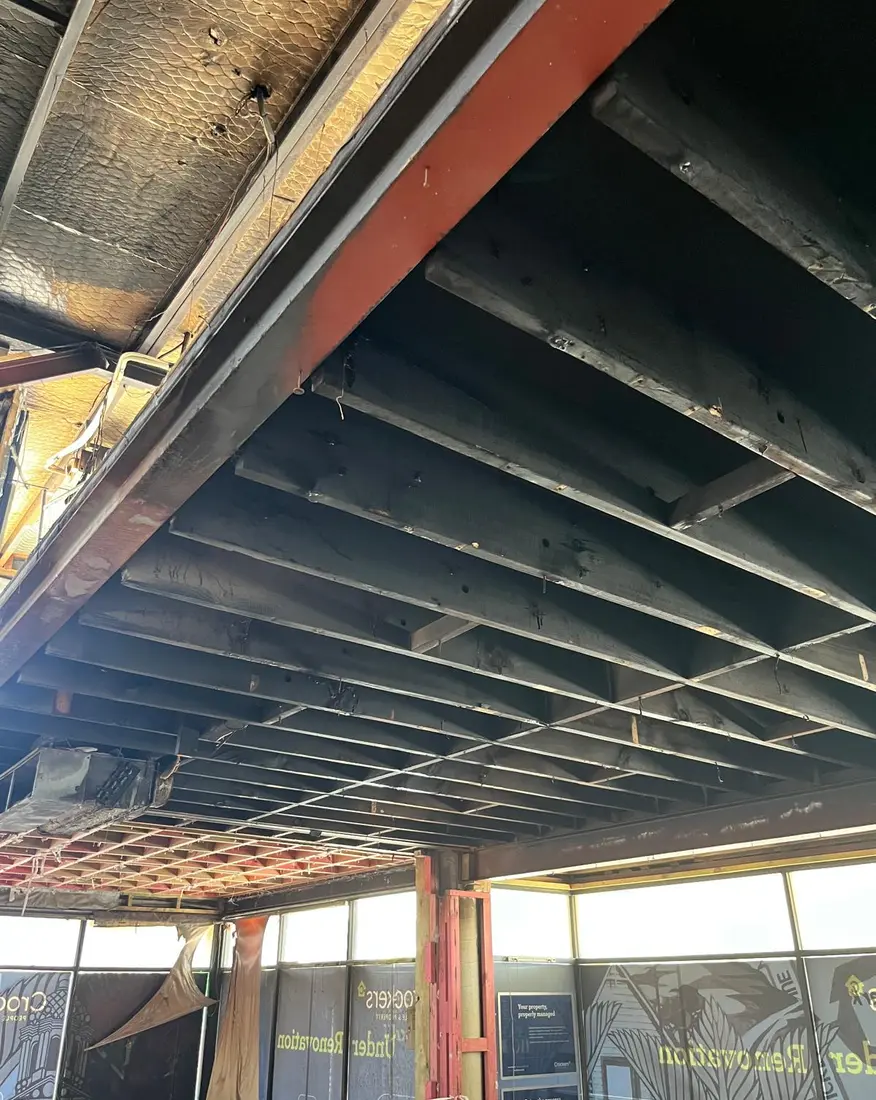
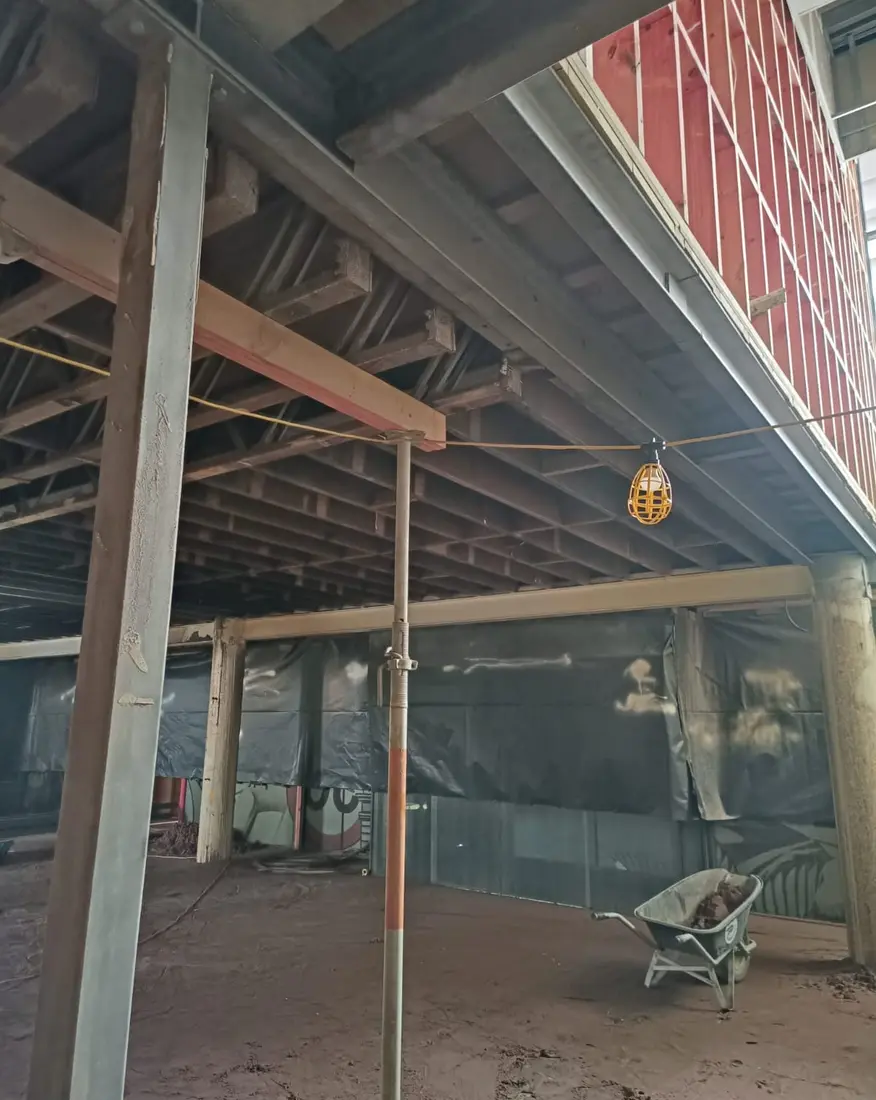
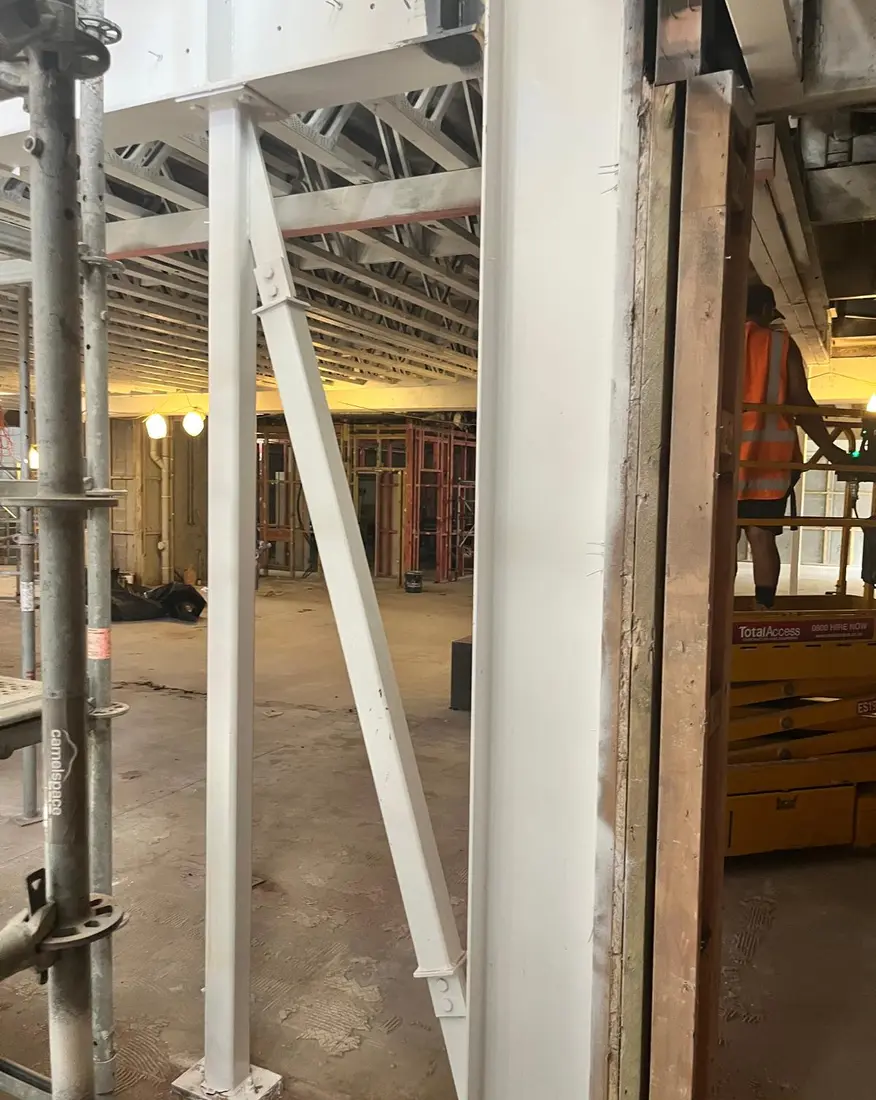
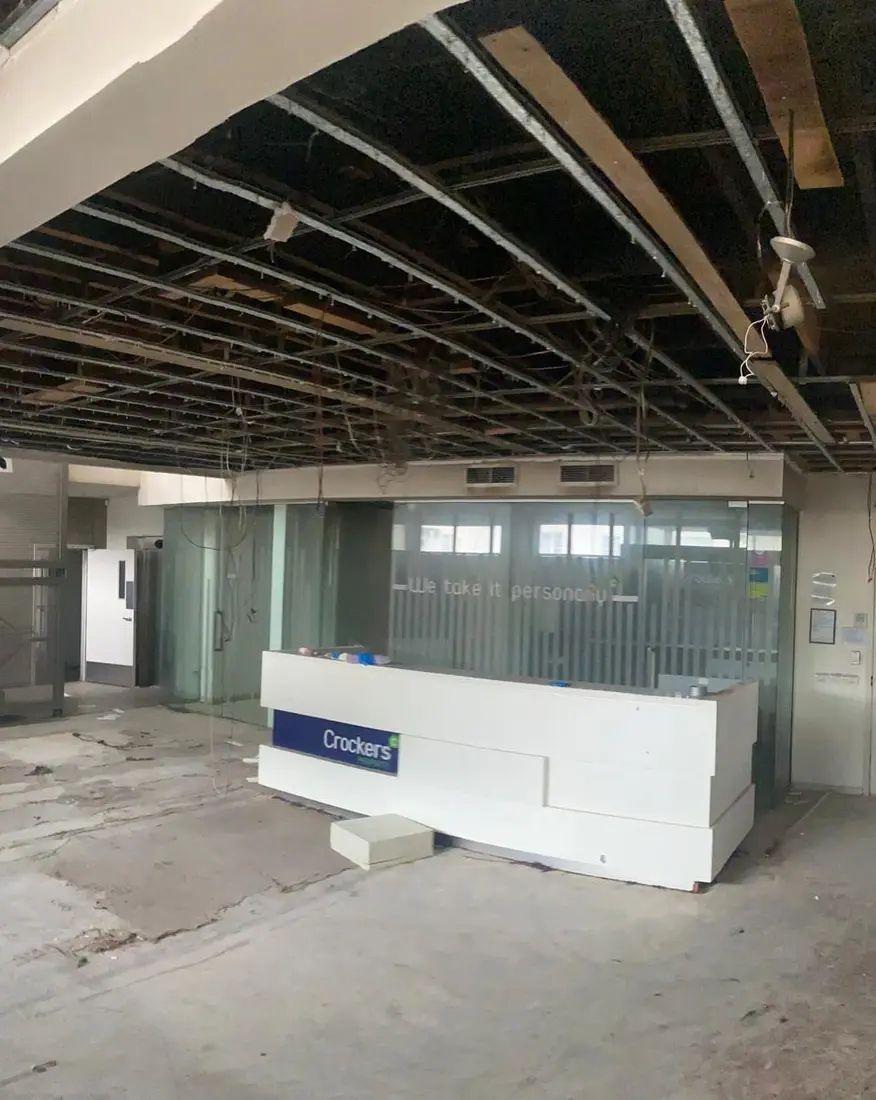
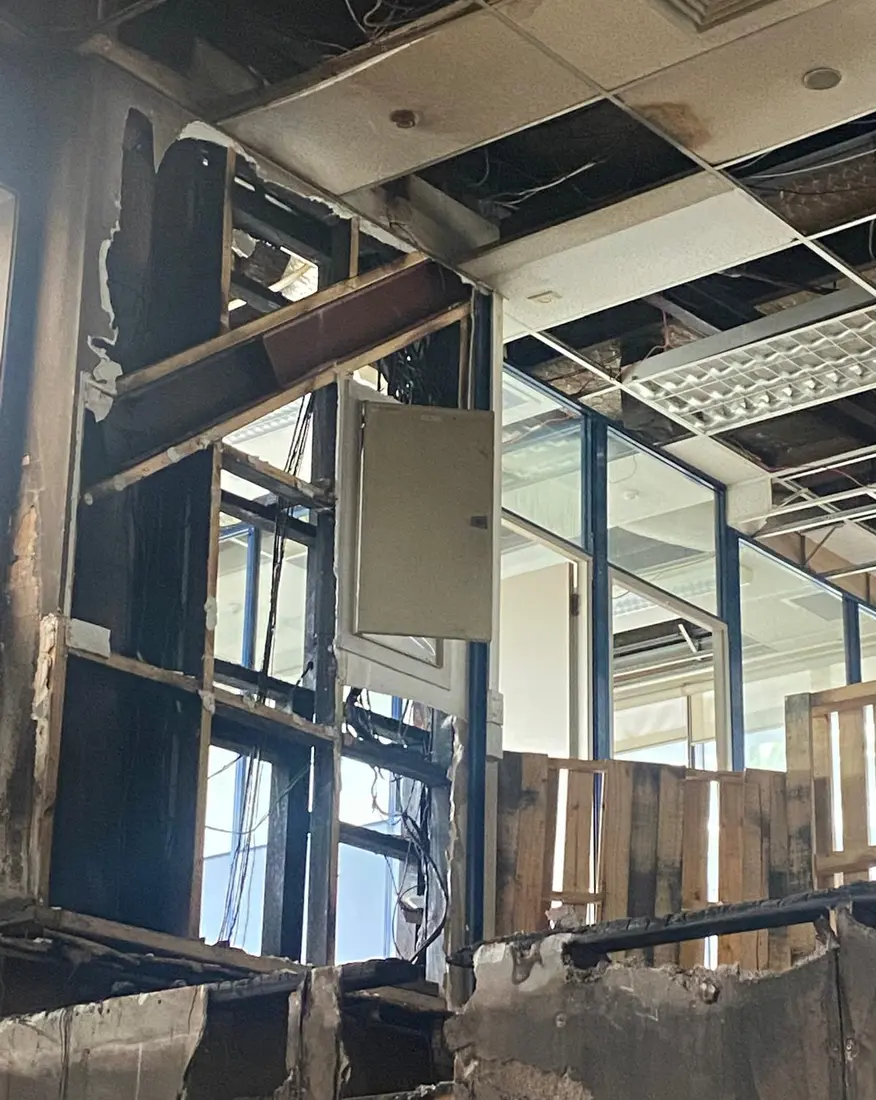
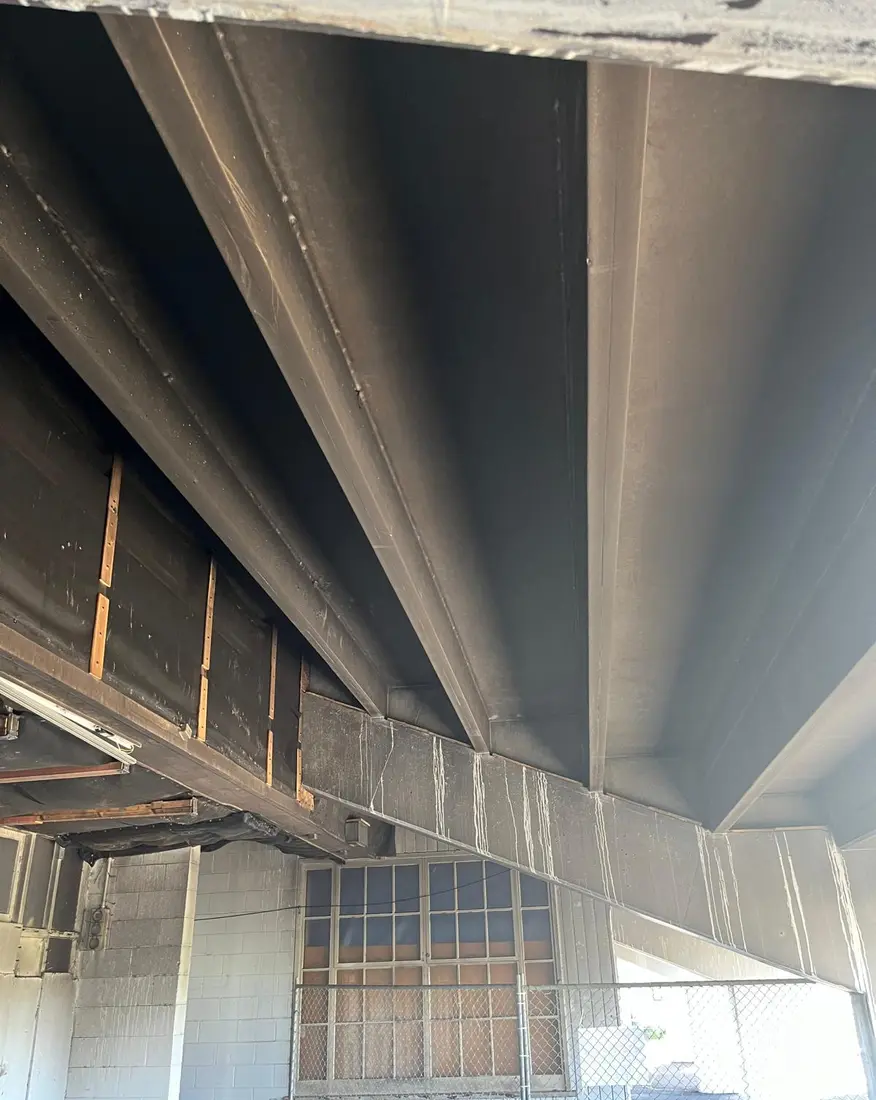
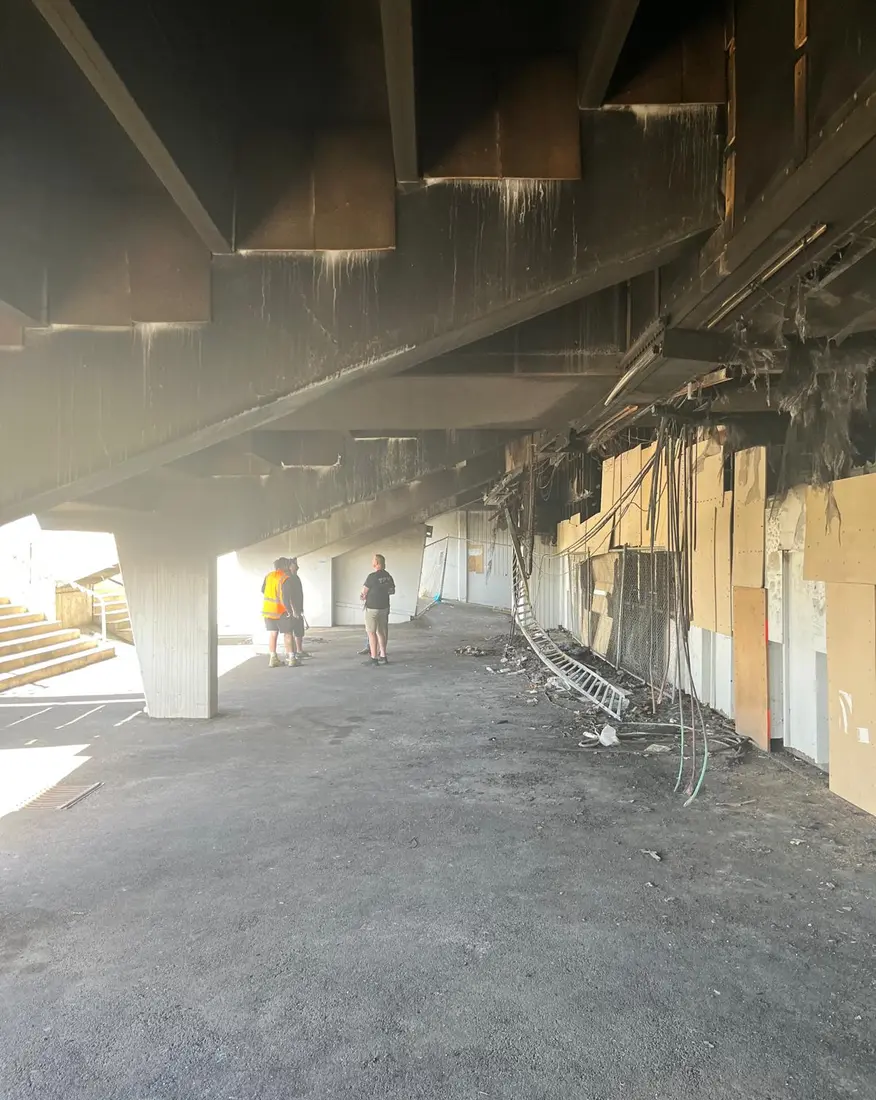
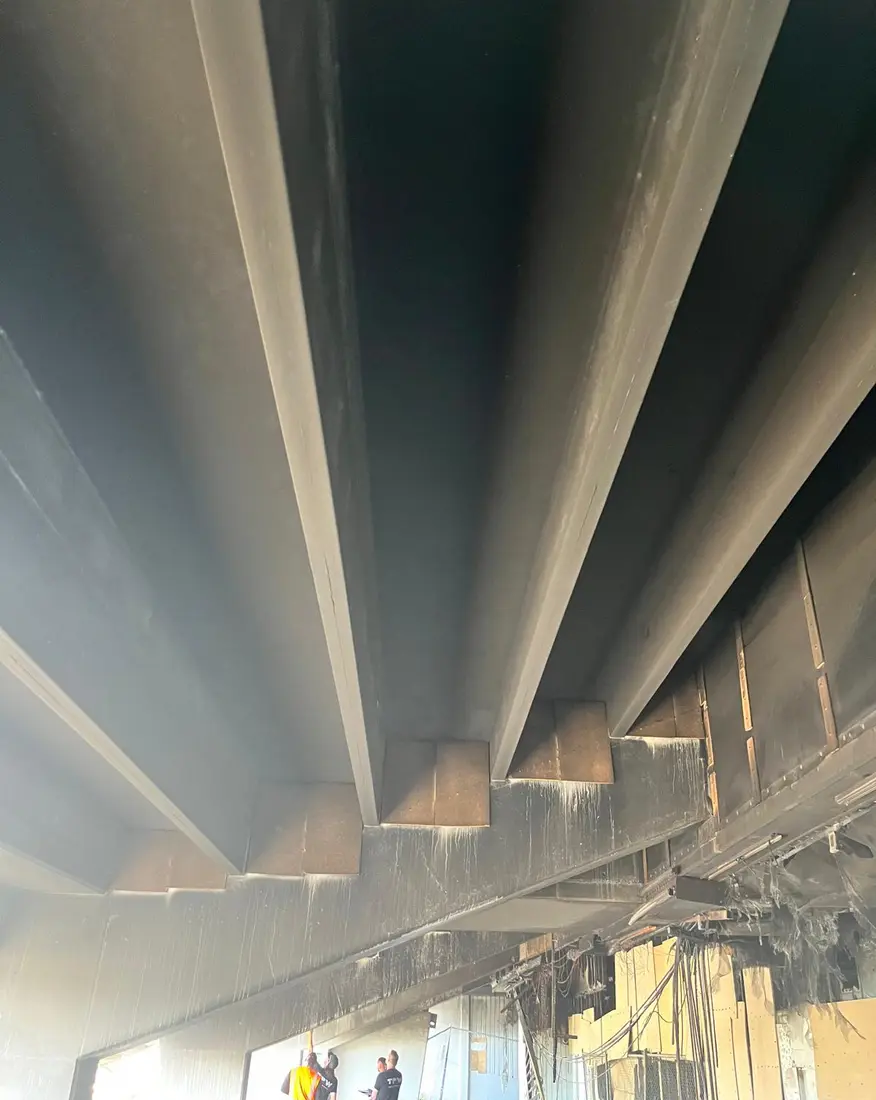
The fire at the Crockers Building had done more than mark the surfaces. It had destroyed the passive fire protection on the structural steel while leaving soot across the building, so the project needed to address compliance and protection together rather than treat the damage as a cosmetic repaint. Both the visible finish and the underlying fire performance needed attention before the building could be considered restored.
Our Approach
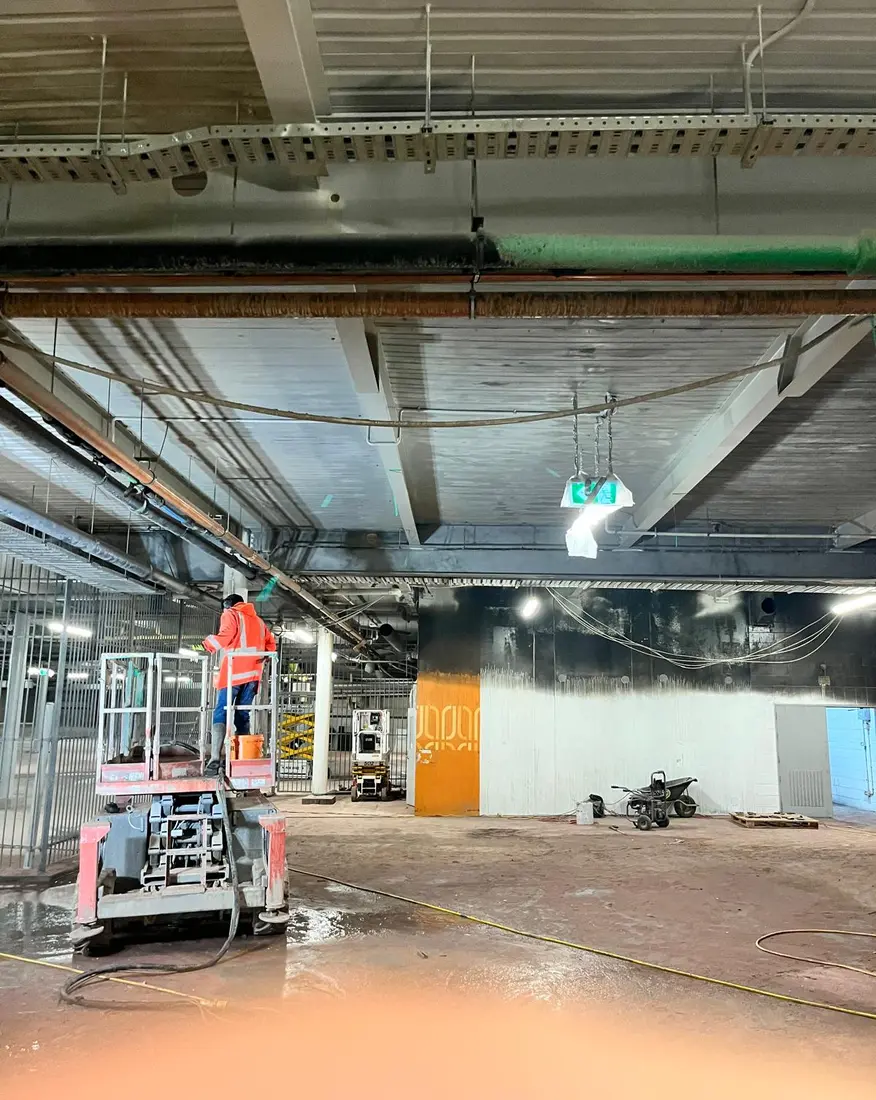
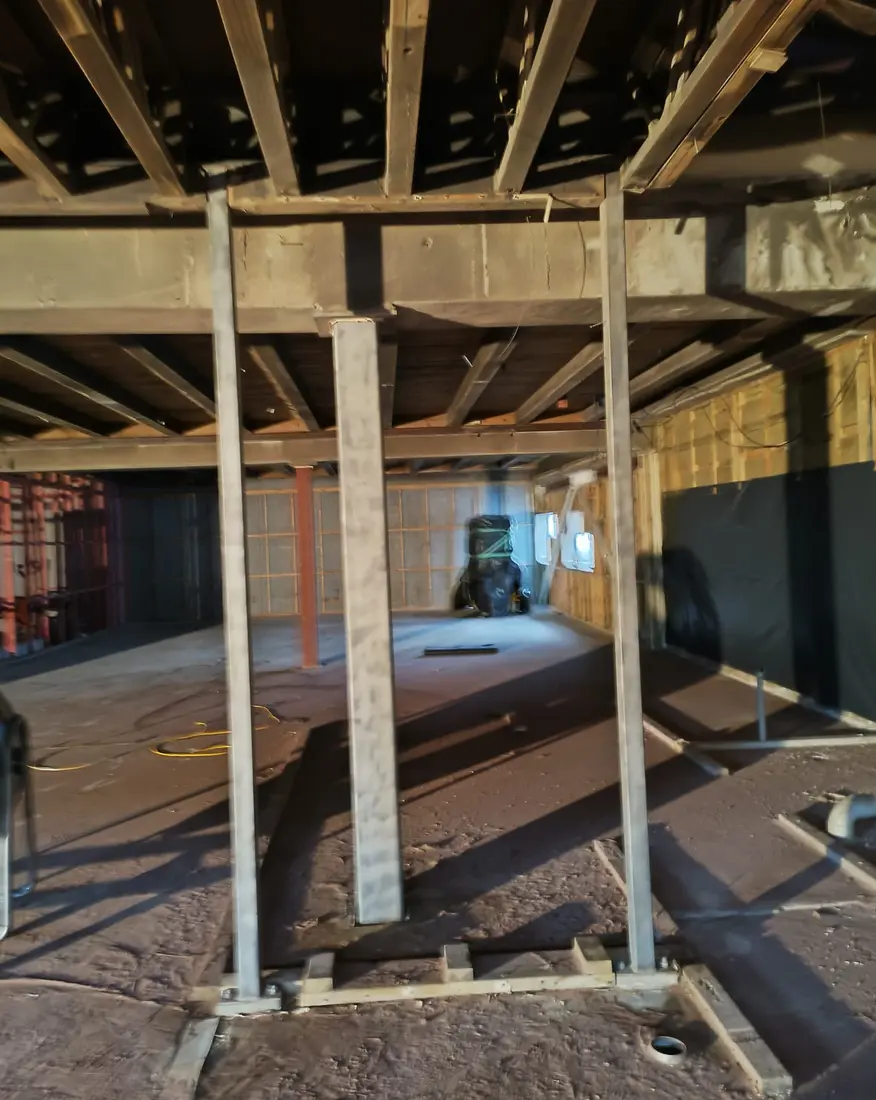
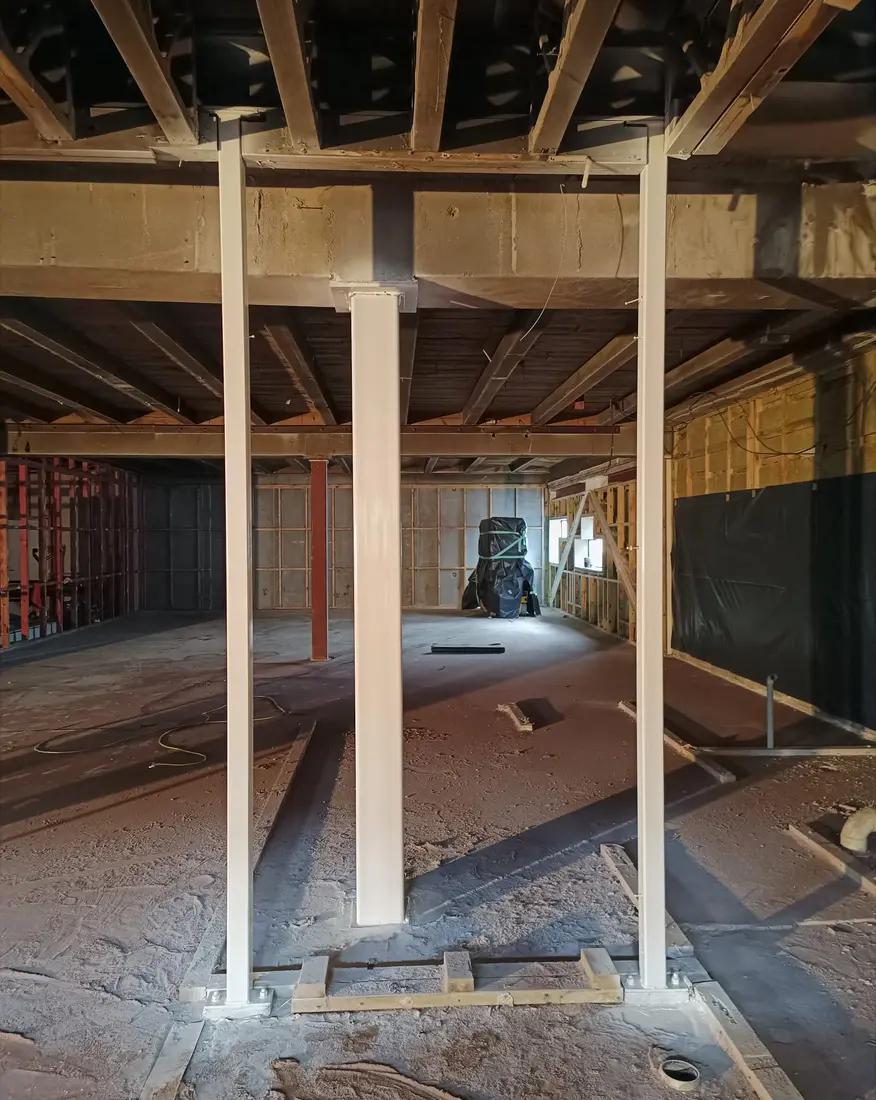
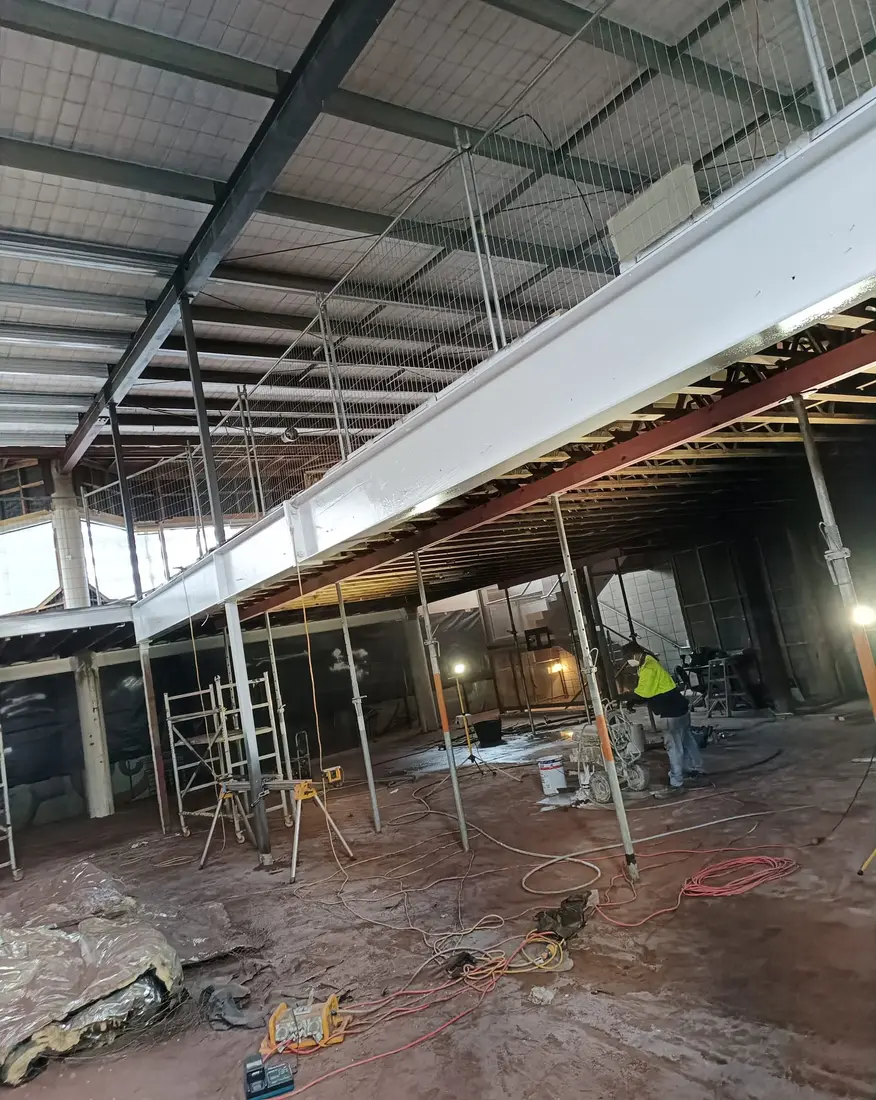
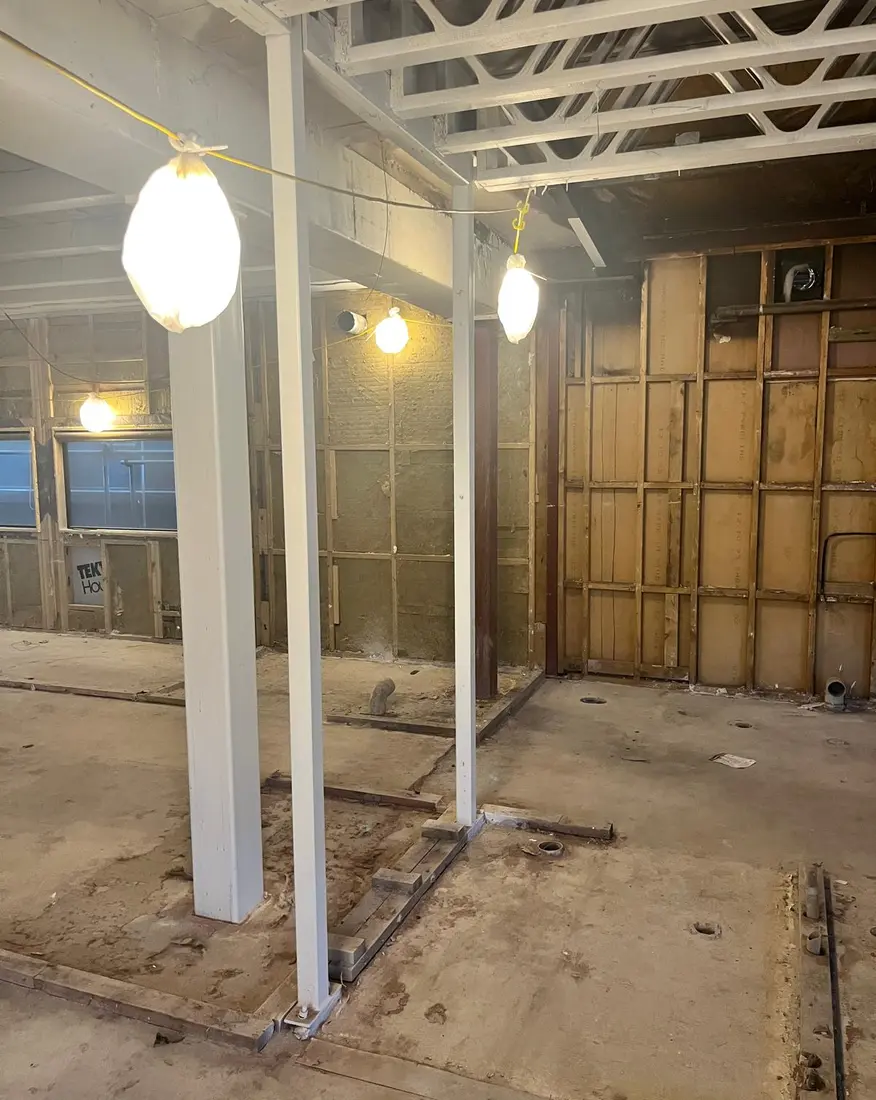
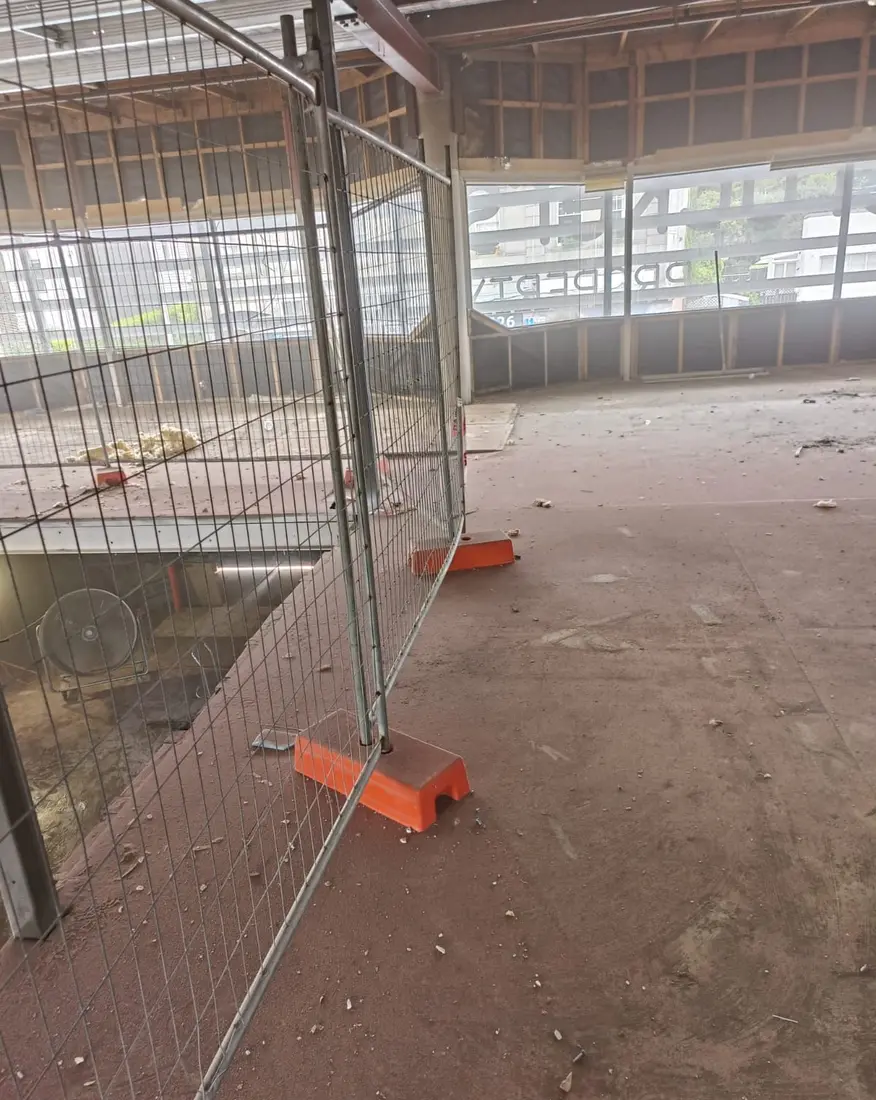
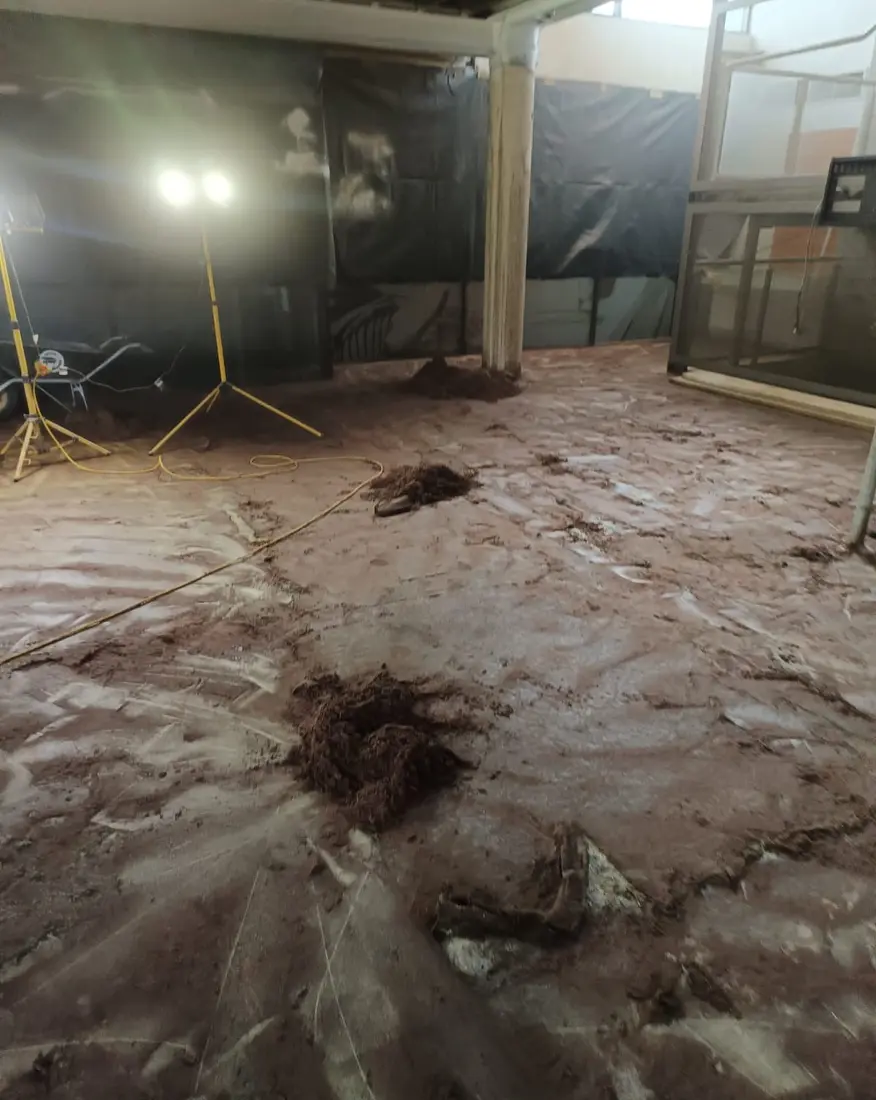
BlastOff soda blasted and sandblasted every affected surface to remove all trace of soot, selecting the method suited to each substrate across the building. With the surfaces clean, protective coatings were applied to the remediated areas and new intumescent paint was applied to all steel members, rebuilding the fire performance that had been lost in a single coordinated programme spanning cleaning, coating and fire protection.
The Outcome
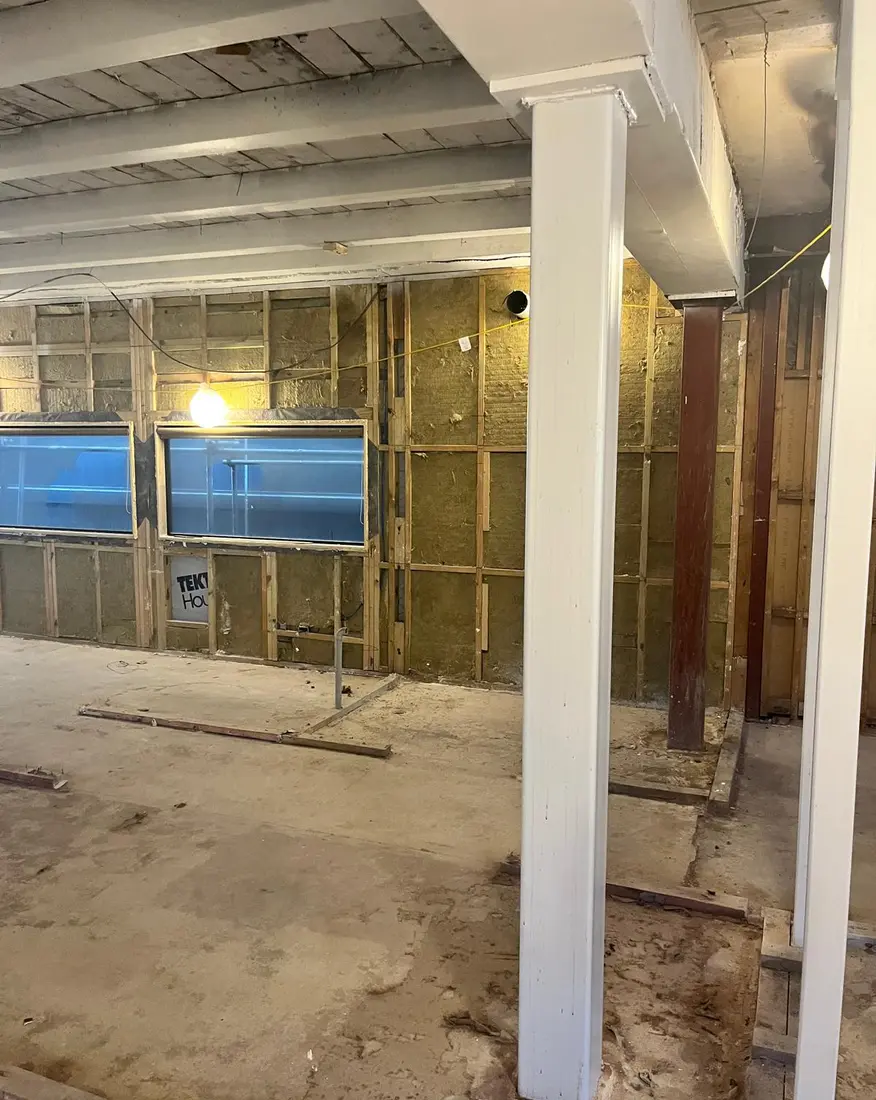
The Crockers Building came out of the programme cleaned, protected and compliant again. Passive fire protection on the structural steel was reinstated alongside fresh protective coatings, addressing both the surface damage and the fire performance in one accountable scope covering cleaning, coating and fire protection together.
Rebuilding Both the Finish and the Fire Protection at the Crockers Building, Epsom
The fire at the Crockers Building in Epsom left behind more than a dirty finish. It destroyed the passive fire protection on the structural steel while also spreading soot across the building, which meant the reinstatement had to address compliance and appearance together rather than treating the job as a cosmetic repaint. Passive fire protection isn’t something that can be assumed back into place by painting over damaged intumescent coatings, and a building can look clean while its steel is still under-protected.
BlastOff carried out a full fire damage remediation programme covering both issues in one accountable scope. Soda blasting and sandblasting were used across every affected surface to remove all trace of soot, with the method selected to suit each substrate rather than applying one process building-wide. With the surfaces brought back to a clean baseline, protective coatings were applied to the remediated areas, and new intumescent paint was applied to all the affected steel members to rebuild the fire performance that had been lost.
Running cleaning, coating and fire protection as a single coordinated programme meant the building came out the other side both looking right and performing right, with its passive fire protection reinstated alongside the fresh coatings rather than as an afterthought. For owners of commercial buildings where a fire has affected structural steel, the key point is that soot removal and passive fire reinstatement are two different problems that need to be scoped together from the start, not discovered separately once the repaint is already underway. Getting a specification-led assessment of the steel early, alongside a clear read on how far the soot contamination has spread through the building, avoids surprises further into the programme and keeps the compliance and cosmetic work moving on the same timeline instead of one holding up the other.
Testimonials
Project Images
Clients value our reliability, communication, and the quality of our work.
Posted on GoogleTrustindex verifies that the original source of the review is Google. Damian came promptly, explained the process clearly and gave us a quote. The work was done professionally and Damian was available and easily contactable throughout. His team were great to deal with and completed the internal waterproofing of our garage and rumpus room. We were very happy with the result. N BrightPosted on GoogleTrustindex verifies that the original source of the review is Google. Awesome work by Blastoff Solutions. Damien was a pleasure to deal with. Got back promptly to any queries and questions. Offering both a cost effective and practical solution to our needs. Work carried out to a high standard. Highly recommend.Posted on GoogleTrustindex verifies that the original source of the review is Google. Damian is a good communicator and the job was done to a good standard by his team. Thank you.Posted on GoogleTrustindex verifies that the original source of the review is Google. Our rental property is concrete block unit and we had leakage from one of the wall of lounge. Danial of this company visited and and gave satisfying answers to my questions and after accepting the quote the work was done to my satisfaction.Posted on GoogleTrustindex verifies that the original source of the review is Google. Good communication and did a great job. Estimated cost was very accurate.Posted on GoogleTrustindex verifies that the original source of the review is Google. Coming to the rescue, getting the job done in time! With amazing results! Very impressed, thank youPosted on GoogleTrustindex verifies that the original source of the review is Google. My deck looks like new again, thanks to Blastoff Washing team!Verified by TrustindexTrustindex verified badge is the Universal Symbol of Trust. Only the greatest companies can get the verified badge who has a review score above 4.5, based on customer reviews over the past 12 months. Read more
Ready to get started?
Planning crane or port maintenance? Talk to BlastOff.