Wilson Carpark, Newmarket
Fire Damage Soot Removal
LOCATION
SERVICE
The Challenge
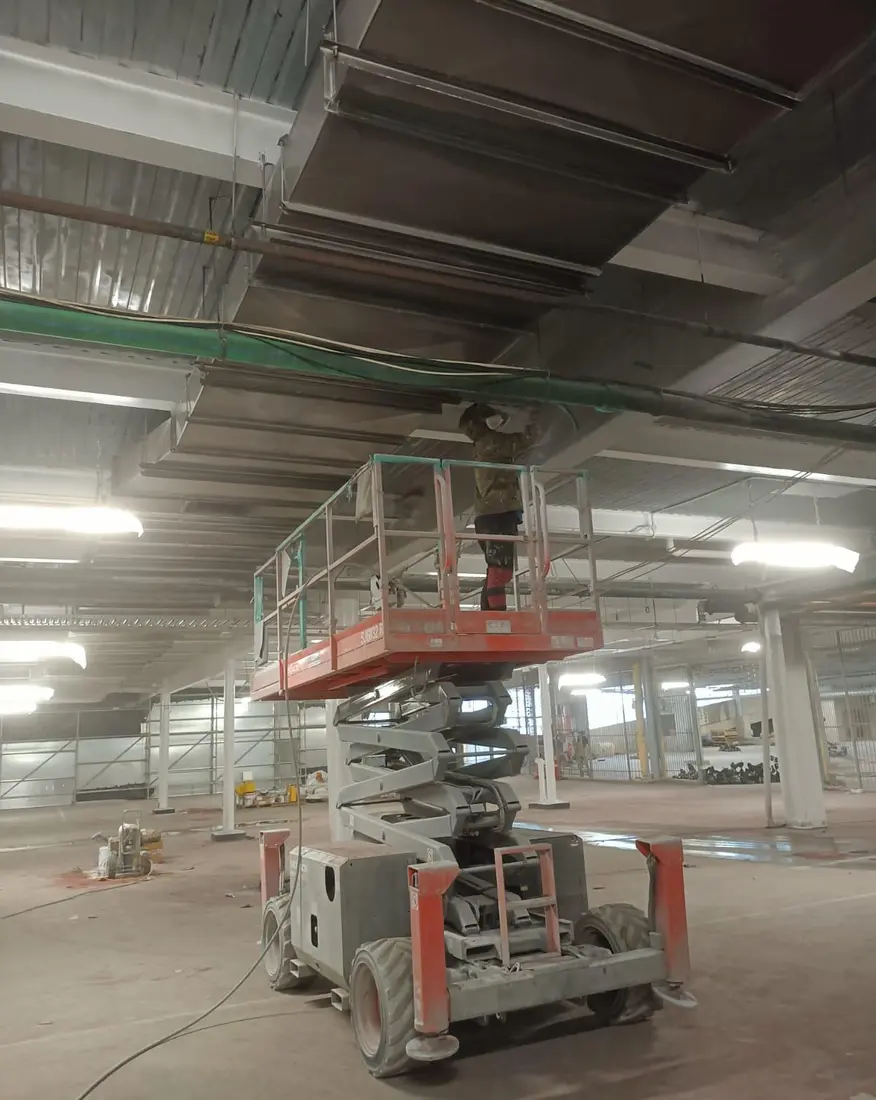
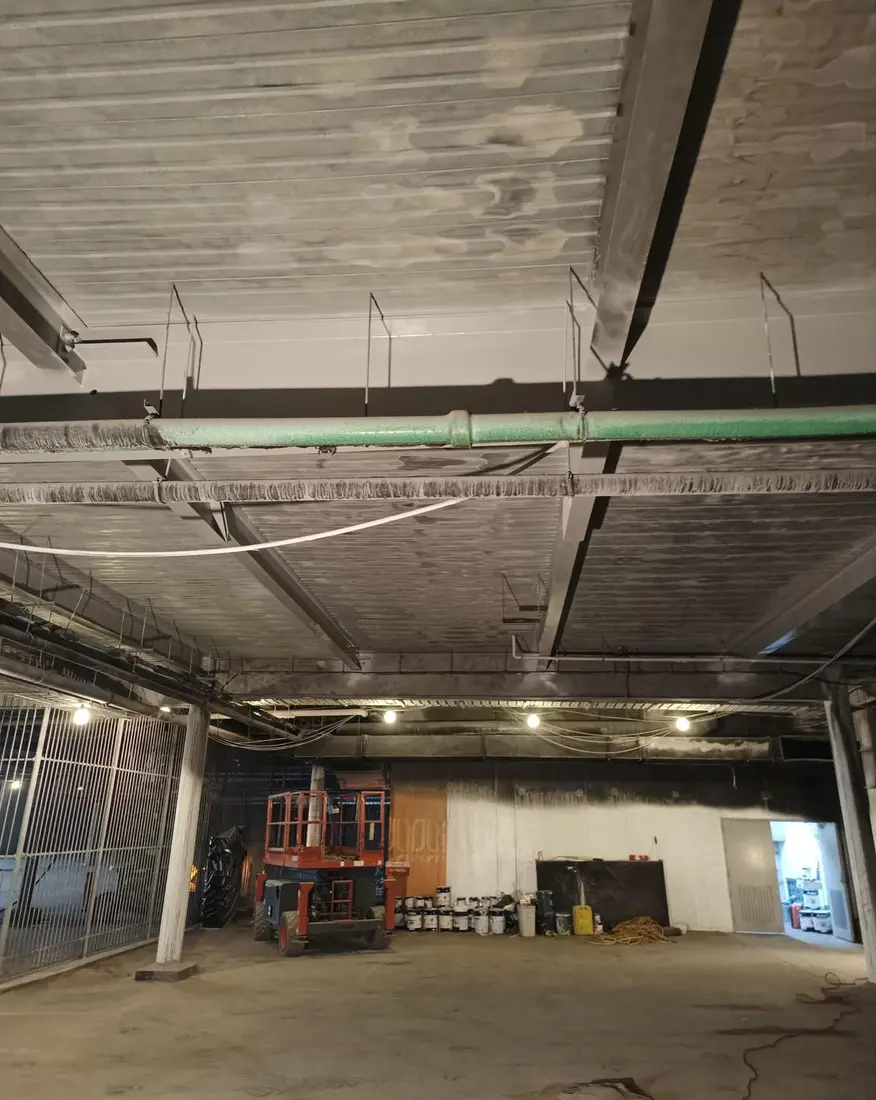
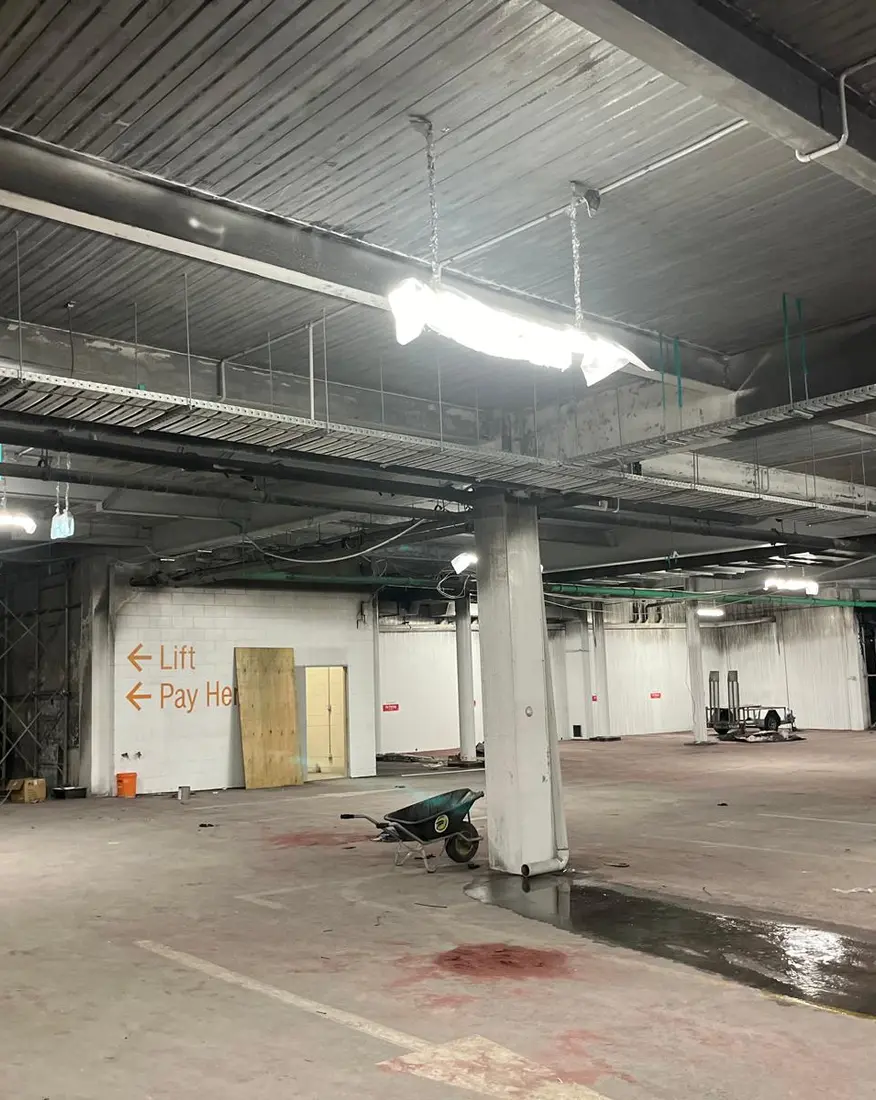
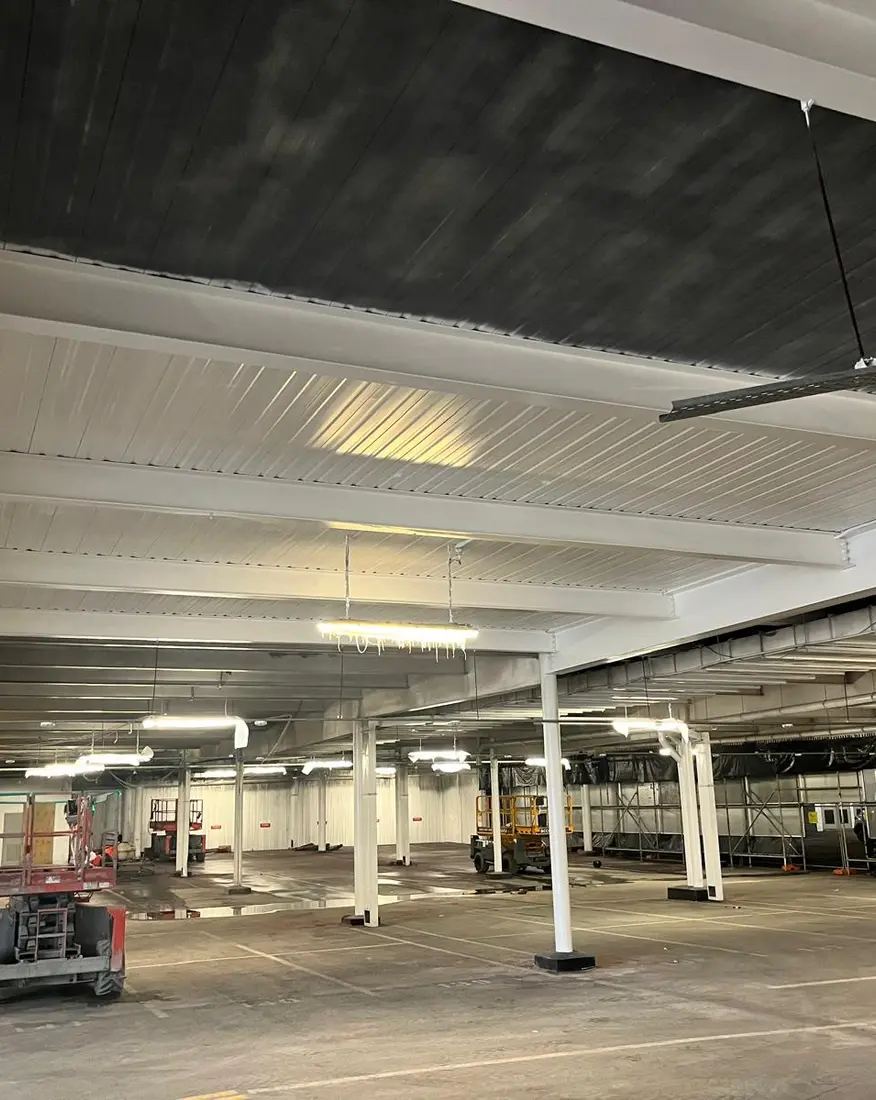
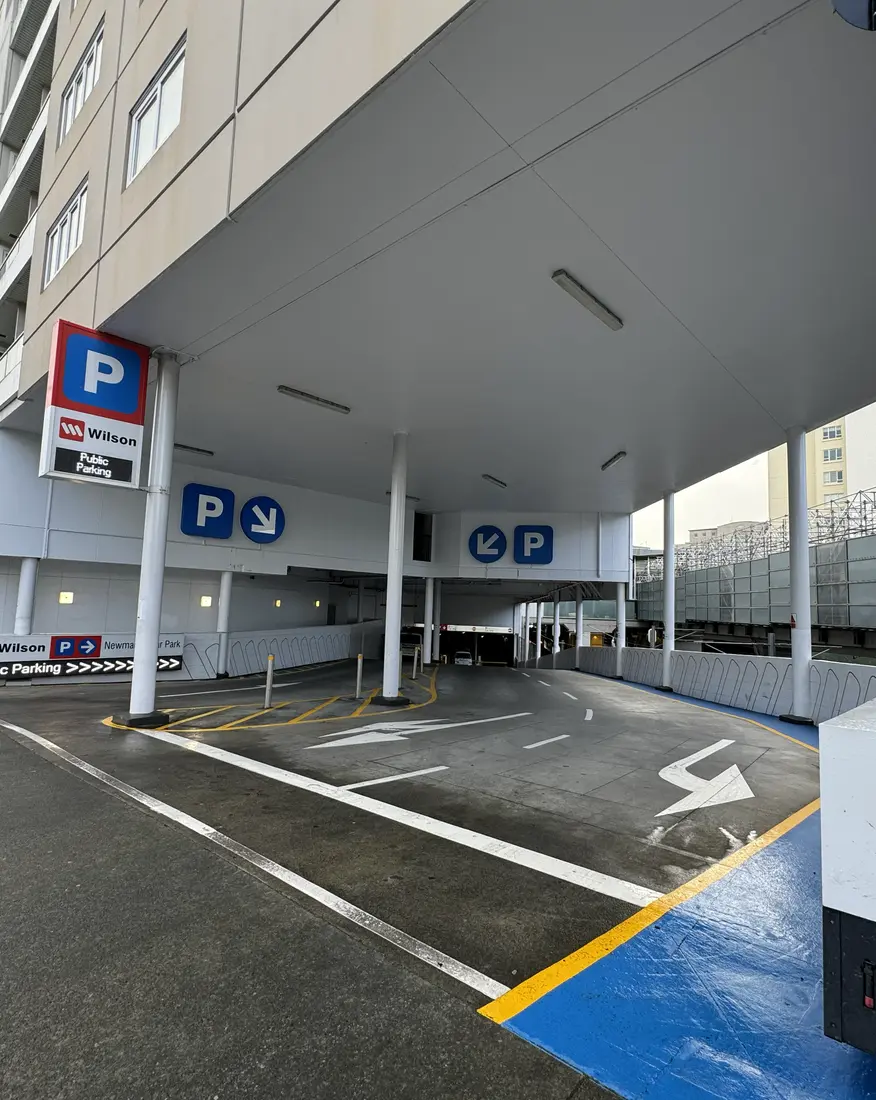
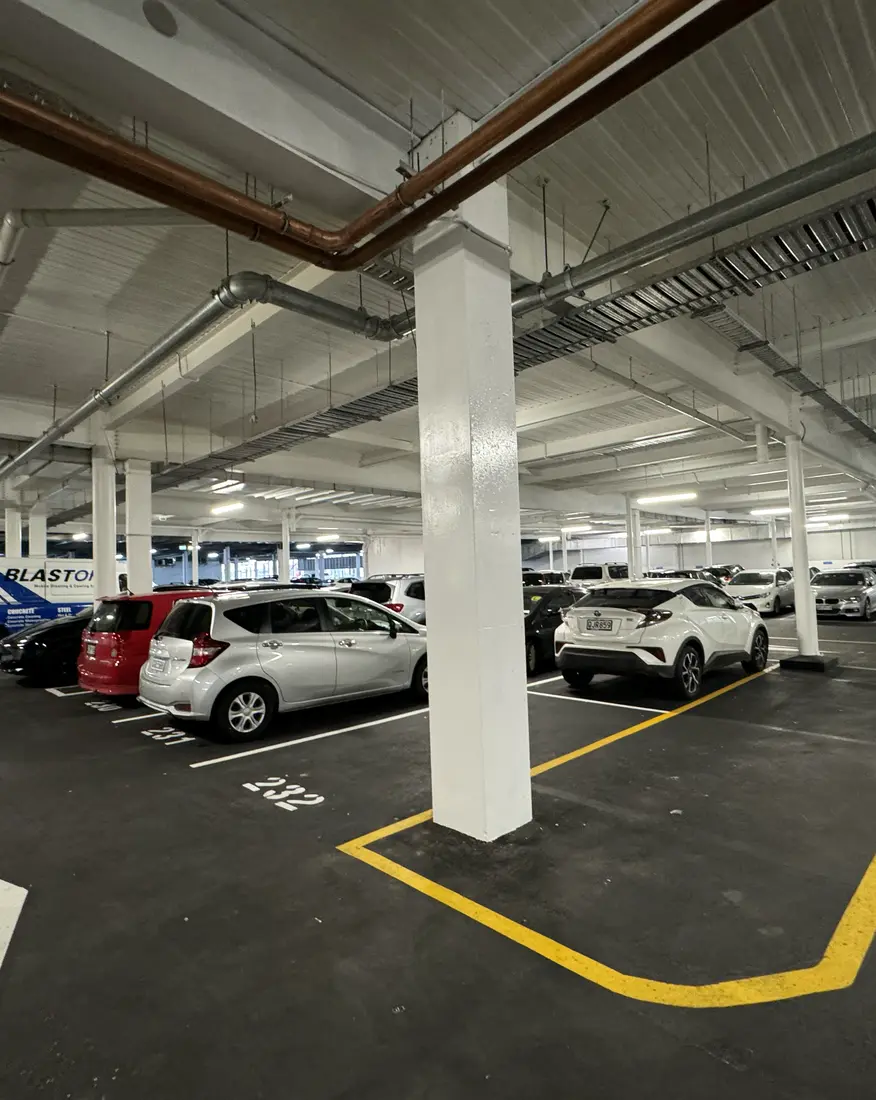
The fire had left corrosive soot spread across concrete, steel and services throughout the carpark. Painting or cleaning over the residue was not an option, as the soot needed to be completely removed before engineers could properly assess the condition of the structure or reinstatement work could begin across the site. Every surface in the carpark had to be brought to the same clean standard.
Our Approach
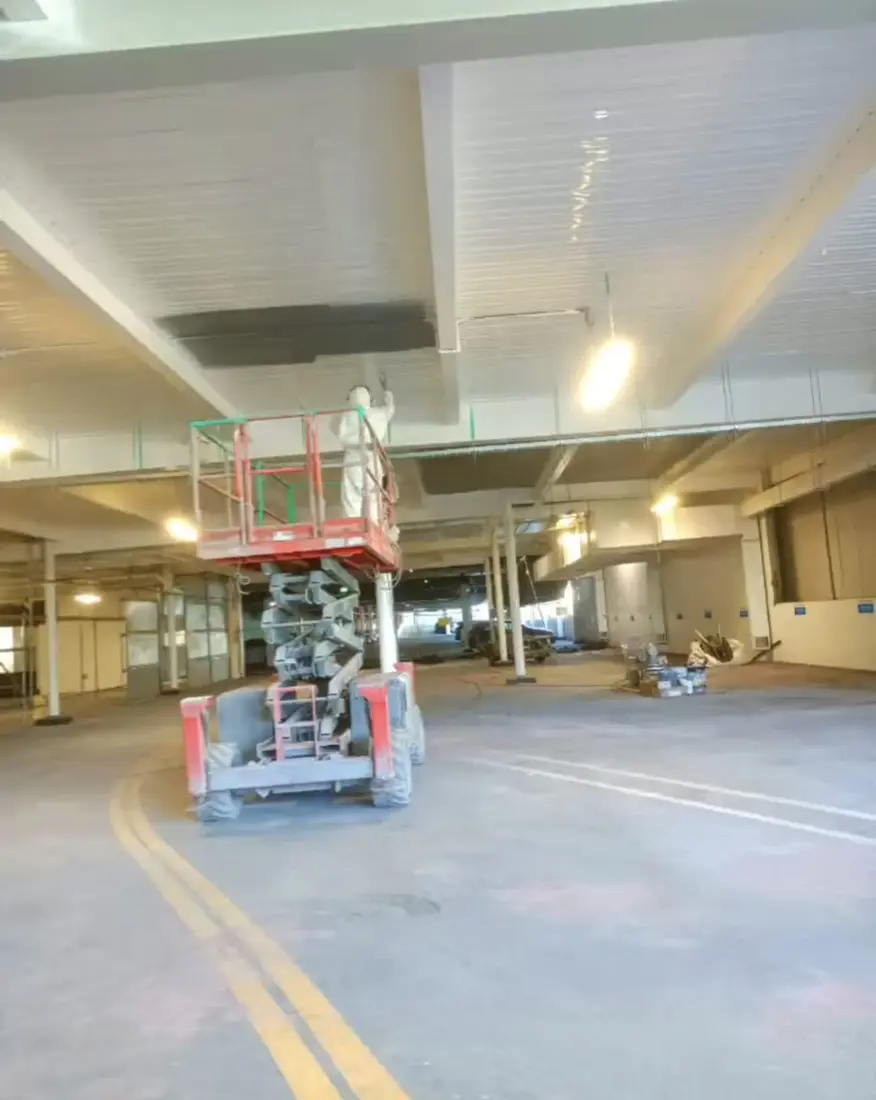
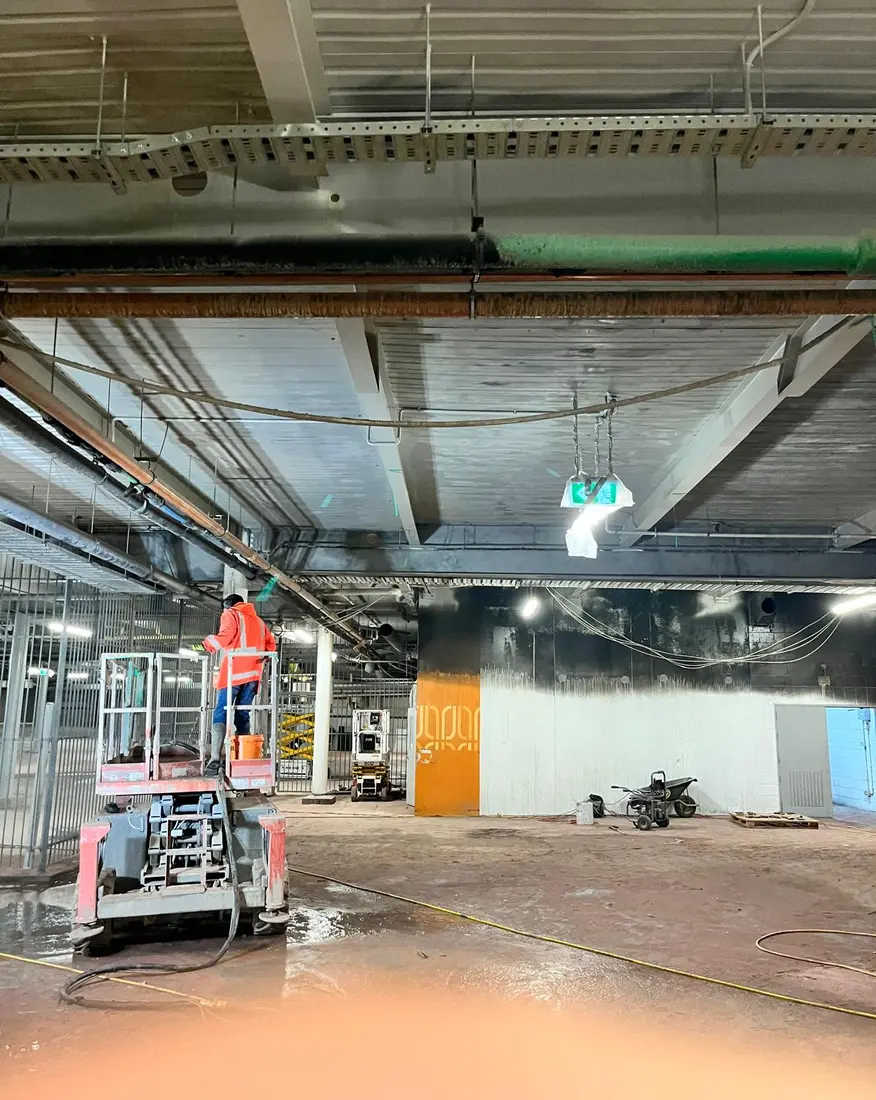
BlastOff matched the removal method to each surface, using soda blasting where a gentler, residue-free clean was needed and sandblasting on areas where existing coatings also had to be stripped back. Working across the entire carpark, the two methods were combined to bring every surface, from concrete decks to steel members and services, back to the same clean baseline ready for the next stage.
The Outcome
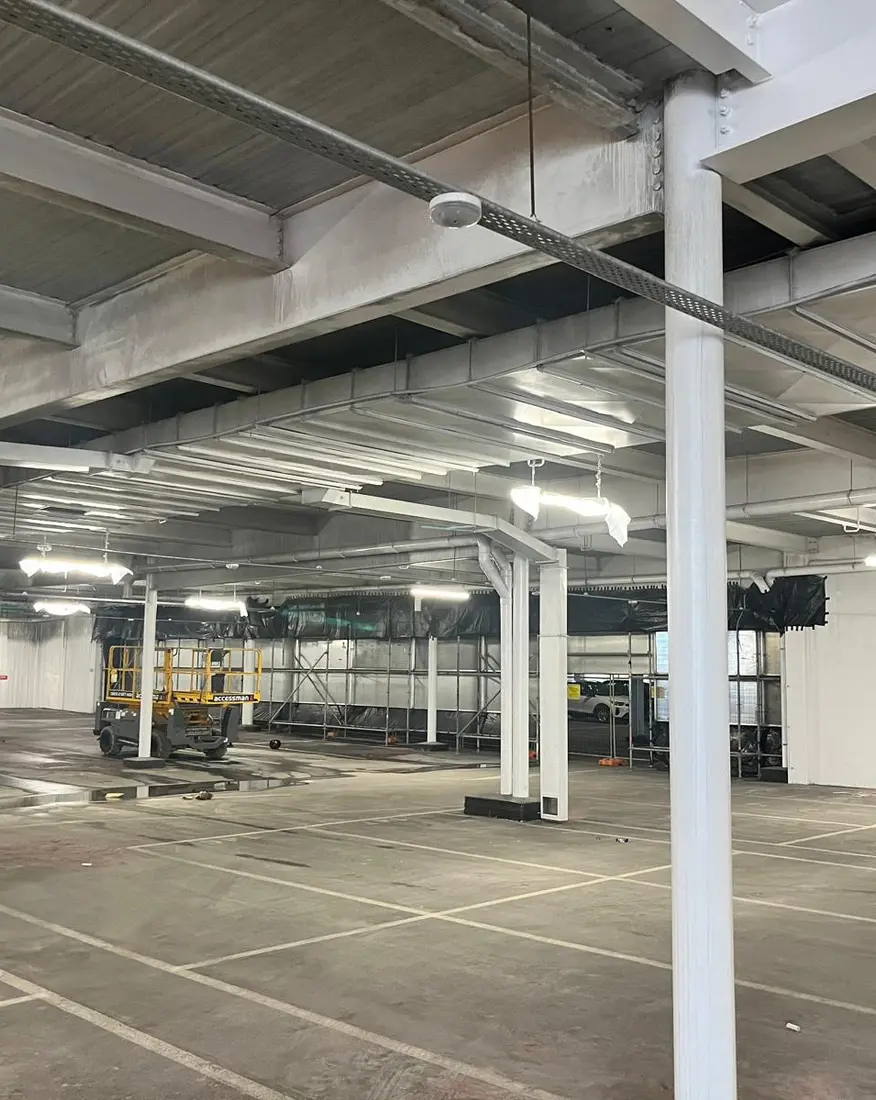
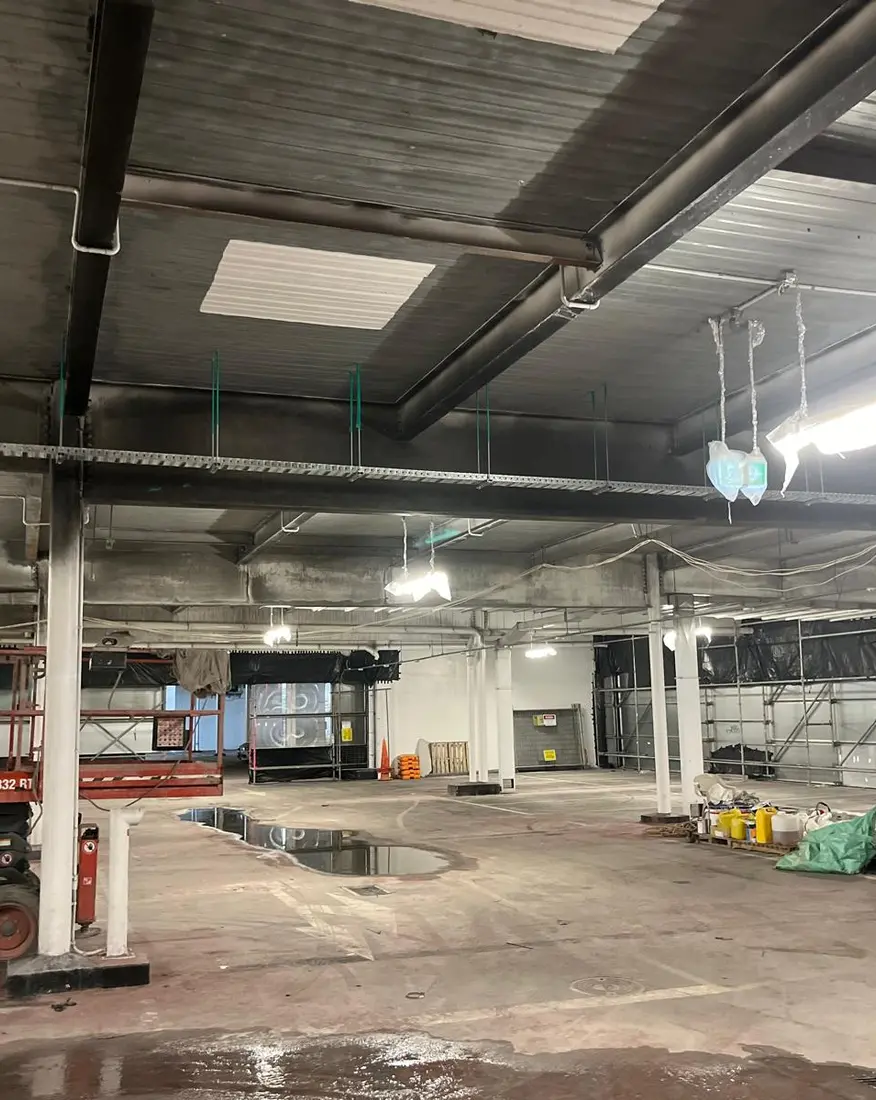
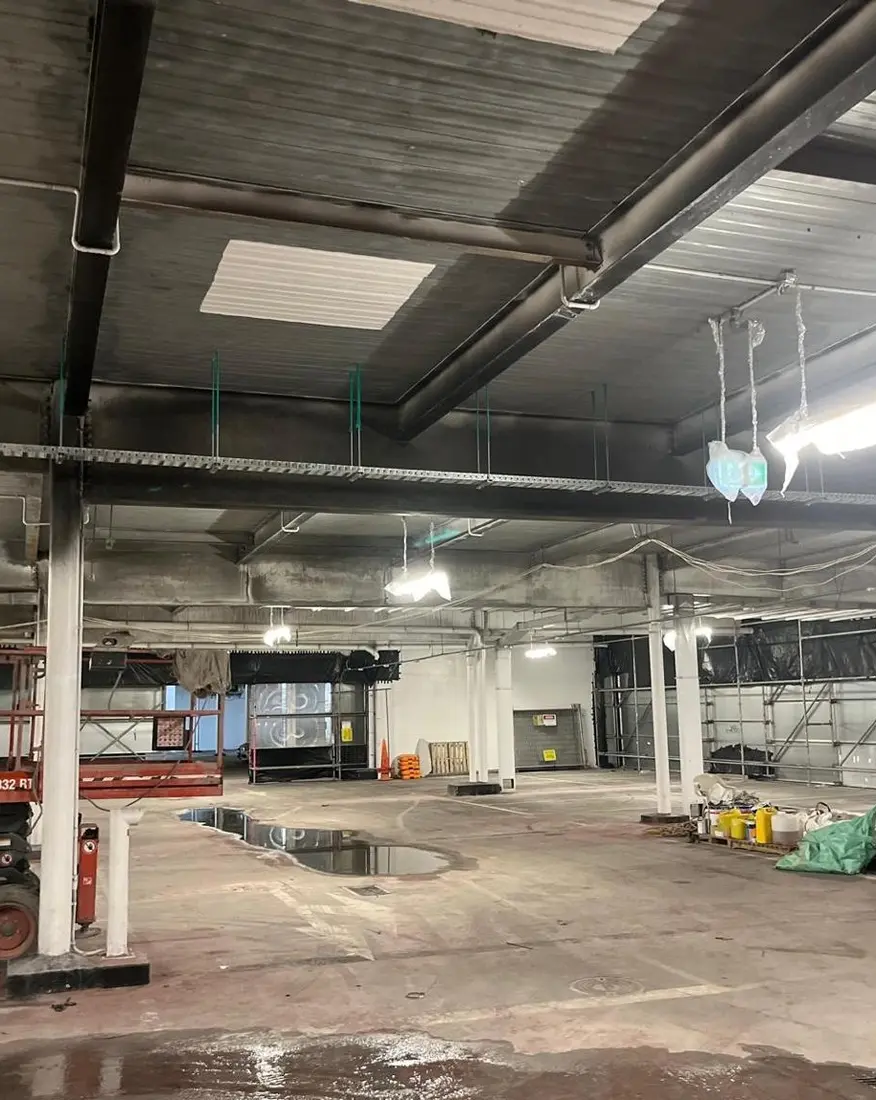
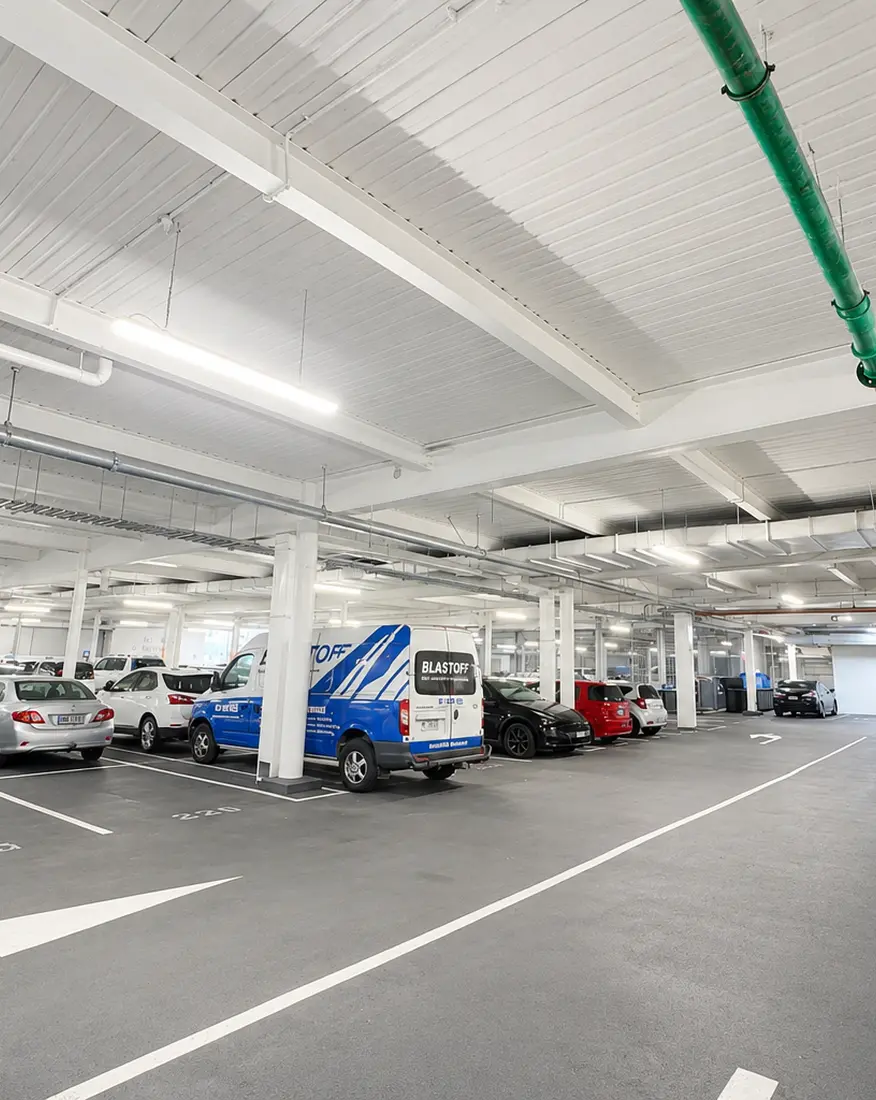
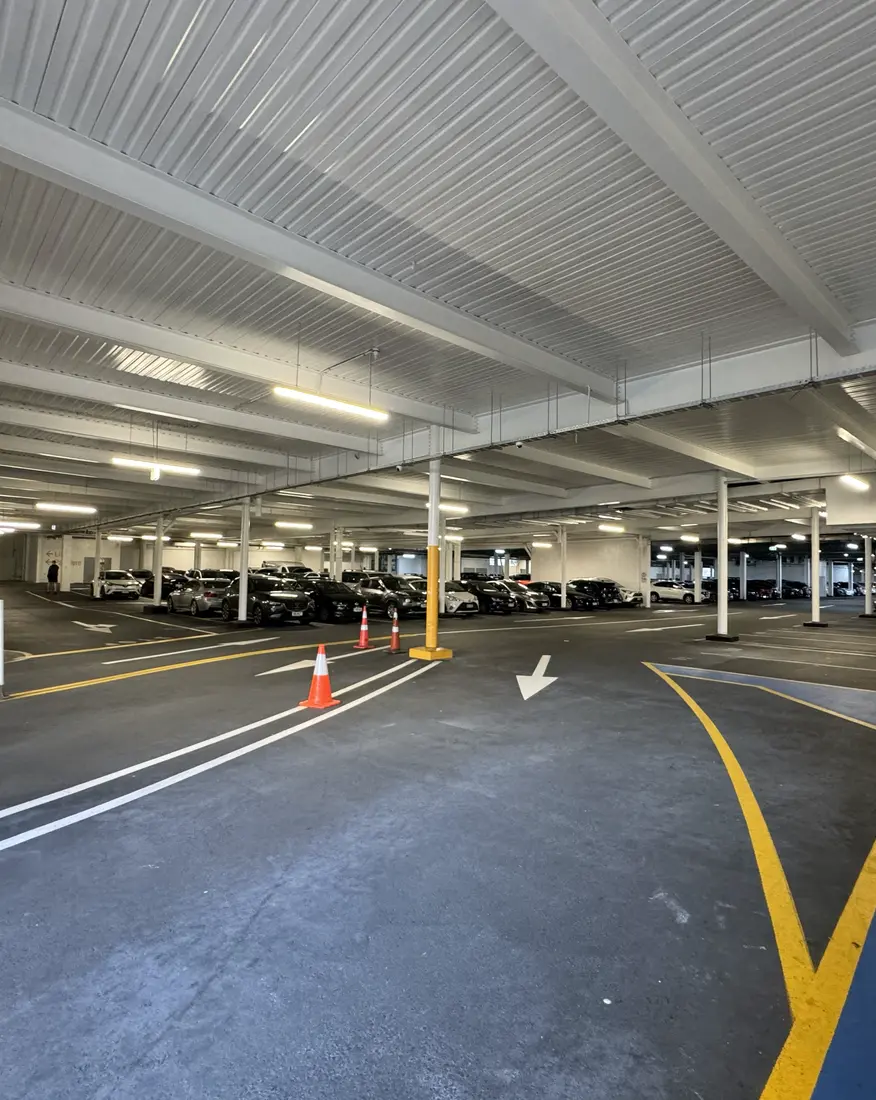
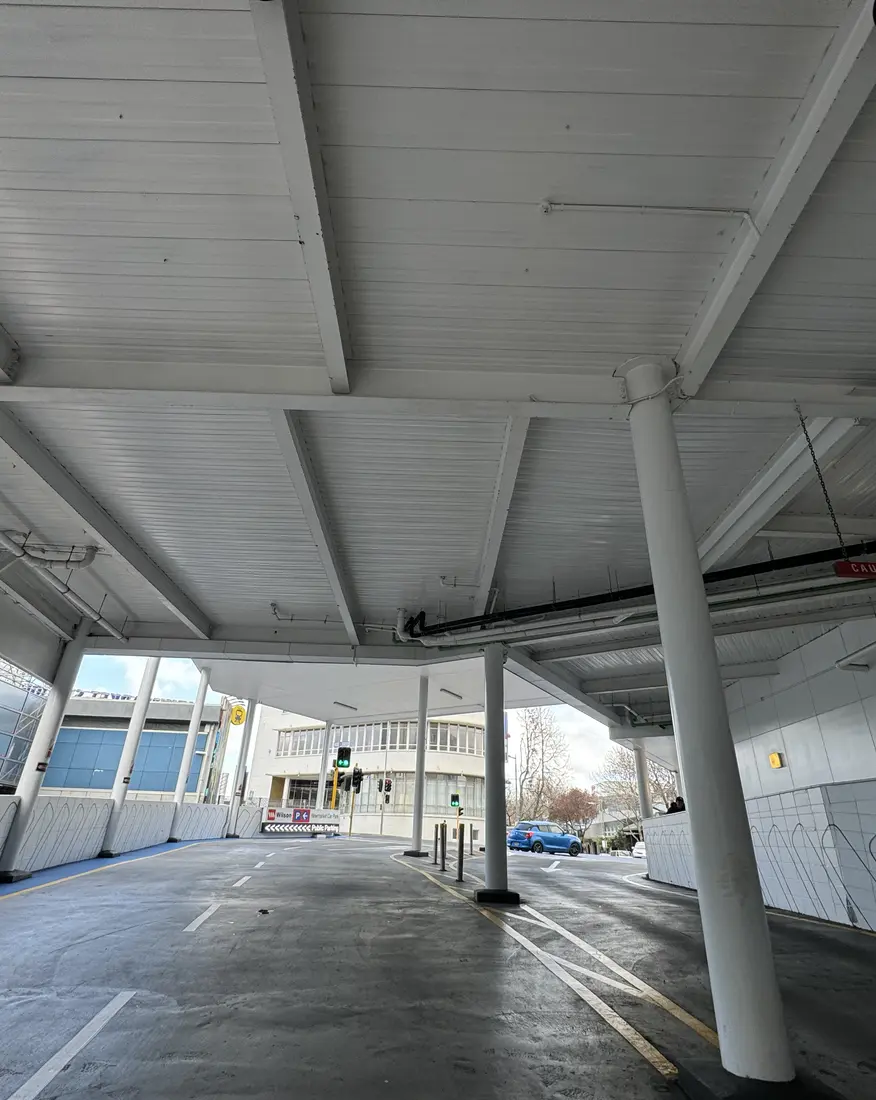
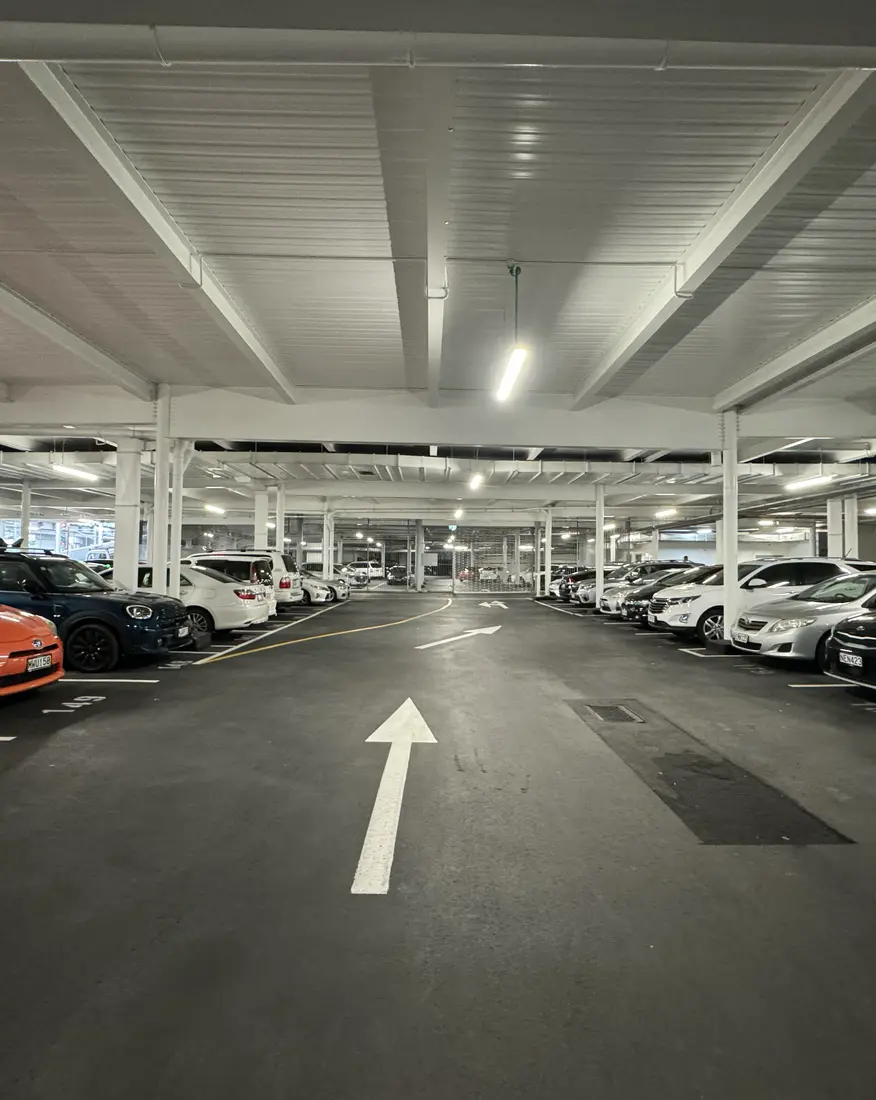
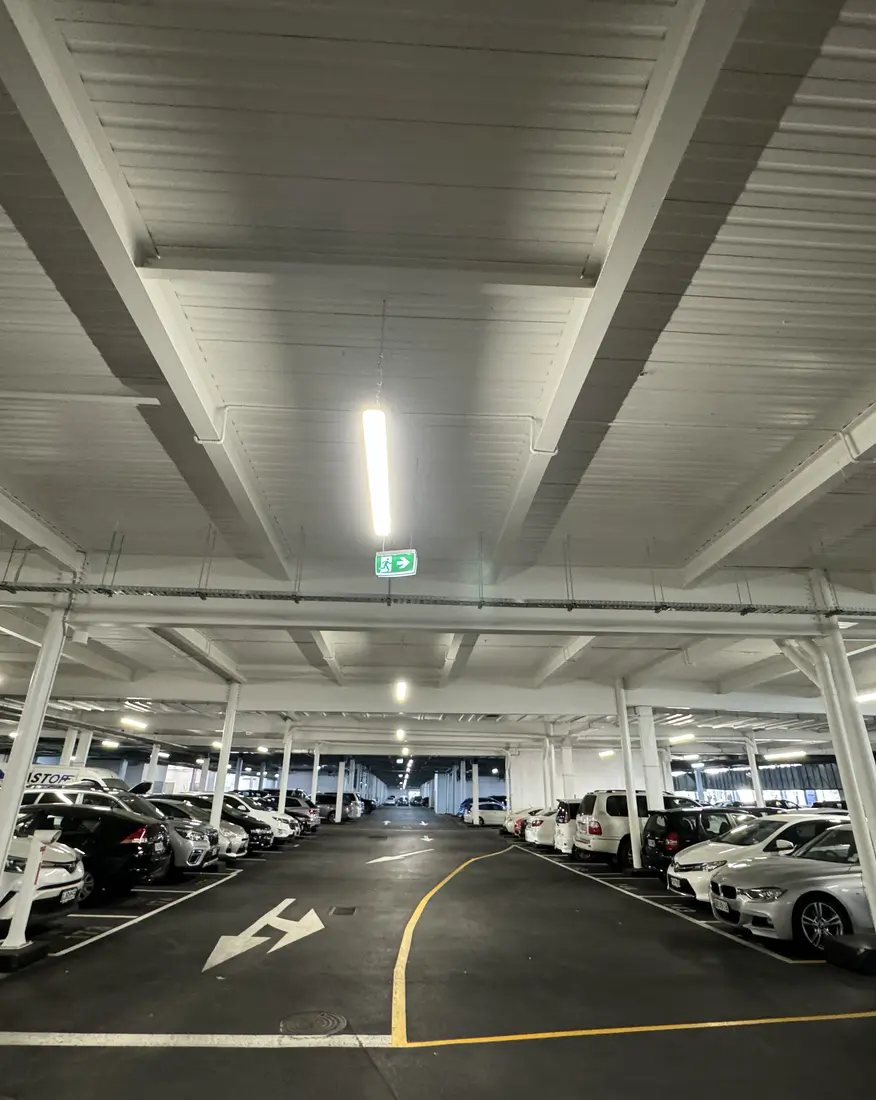
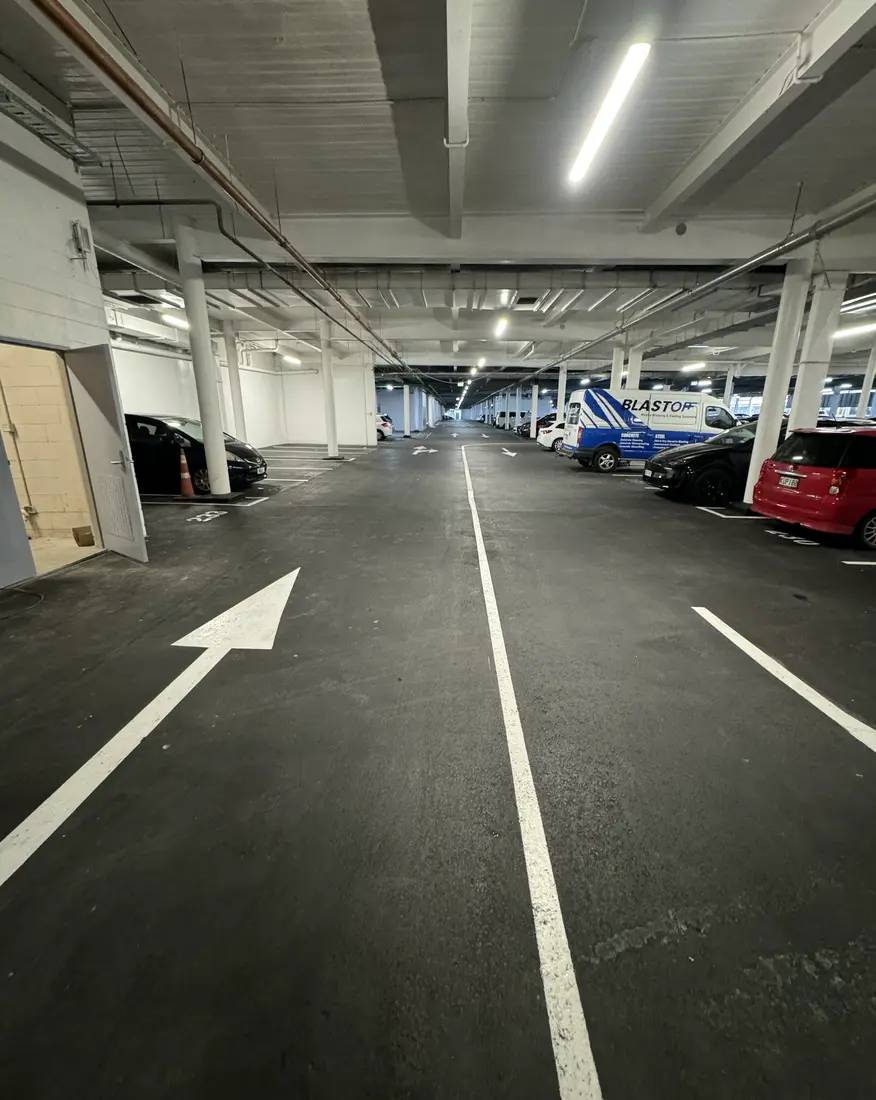
The carpark was brought back to a genuinely clean condition throughout, with soot and residue removed from concrete, steel and services rather than concealed beneath a fresh coat. This gave engineers a clear substrate to inspect and set the structure up for coatings to be reinstated.
Stripping Soot from Every Surface at the TPW Wilson Carpark, Newmarket
When fire moved through the TPW Wilson Carpark in Newmarket, the damage that stopped the building reopening wasn’t limited to what people could see. Corrosive soot had settled across concrete decks, steel members and services throughout the structure, and no amount of repainting could fix that on its own. Soot sits on and bonds into a substrate, and if it isn’t removed completely it can keep affecting odour, coating adhesion and an engineer’s ability to properly read the condition of what’s underneath.
BlastOff was engaged for the clean-up stage of the reinstatement, carrying out fire damage remediation across the entire carpark using two complementary methods rather than one blanket approach. Soda blasting handled the areas that needed a gentler, residue-free clean, while sandblasting was used where existing coatings also had to be stripped back alongside the soot. Matching the method to the surface meant concrete, steel and services were all brought to the same clean baseline without over-treating substrates that didn’t need aggressive abrasive work. That distinction matters on a site this size, where over-blasting sound concrete or lightly coated steel can create more preparation work than it solves.
The result was a carpark genuinely clean throughout, not just visually improved, giving engineers a clear substrate to inspect before reinstatement and recoating could proceed. For owners of carparks or commercial buildings dealing with smoke or fire damage, the lesson here is straightforward: soot removal has to be verified as complete before anything gets painted over it, and an early site assessment covering substrate condition, access and containment will do more for the outcome than assuming one blasting method fits every surface on site. Carparks in particular combine several substrate types within one continuous floor plate, so a scoping conversation that considers concrete decks, steel members and services separately is what allows the right blasting method to be matched to each area before work begins.
Testimonials
Project Images
Clients value our reliability, communication, and the quality of our work.
Posted on GoogleTrustindex verifies that the original source of the review is Google. Damian came promptly, explained the process clearly and gave us a quote. The work was done professionally and Damian was available and easily contactable throughout. His team were great to deal with and completed the internal waterproofing of our garage and rumpus room. We were very happy with the result. N BrightPosted on GoogleTrustindex verifies that the original source of the review is Google. Awesome work by Blastoff Solutions. Damien was a pleasure to deal with. Got back promptly to any queries and questions. Offering both a cost effective and practical solution to our needs. Work carried out to a high standard. Highly recommend.Posted on GoogleTrustindex verifies that the original source of the review is Google. Damian is a good communicator and the job was done to a good standard by his team. Thank you.Posted on GoogleTrustindex verifies that the original source of the review is Google. Our rental property is concrete block unit and we had leakage from one of the wall of lounge. Danial of this company visited and and gave satisfying answers to my questions and after accepting the quote the work was done to my satisfaction.Posted on GoogleTrustindex verifies that the original source of the review is Google. Good communication and did a great job. Estimated cost was very accurate.Posted on GoogleTrustindex verifies that the original source of the review is Google. Coming to the rescue, getting the job done in time! With amazing results! Very impressed, thank youPosted on GoogleTrustindex verifies that the original source of the review is Google. My deck looks like new again, thanks to Blastoff Washing team!Verified by TrustindexTrustindex verified badge is the Universal Symbol of Trust. Only the greatest companies can get the verified badge who has a review score above 4.5, based on customer reviews over the past 12 months. Read more
Ready to get started?
Planning crane or port maintenance? Talk to BlastOff.